
Everything worth knowing
Three decisions before you book
| Decision | Settle this first | Why it matters |
|---|---|---|
| Route | Start, finish and night-by-night stops | Shows usable visiting time |
| People | Adults, child ages and rooming | Determines the real service requirement |
| Scope | Inclusions, exclusions and payment terms | Makes the final price understandable |
Treat Gorakhpur as the first stage of the holiday
A Nepal tour that starts in Gorakhpur does not begin when you cross the border. It begins with your arrival, the move from the station or airport, a place to rest if needed and a clear meeting arrangement. Those ordinary details influence the first day more than another attraction added to the itinerary. Plan them before choosing the cheapest incoming ticket.
The aim is not to fill Gorakhpur with compulsory sightseeing. It is to arrive ready for the road journey. Some travellers benefit from an overnight stay; others have a workable same-day connection. The right choice depends on the actual arrival, reporting instructions, group needs and consequences of a delay. Keep those factors visible instead of assuming that any service arriving on departure day will fit.
Put arrival and reporting details on one page
Write the incoming service, arrival date, booked destination and scheduled arrival together with the tour's reporting date and pickup point. Include the name under which the booking was made and a reachable contact number. This gives the operator something concrete to assess and reduces confusion when family members forward partial screenshots to one another.
Separate reporting time from vehicle departure. A group needs time to assemble, identify luggage and complete its own checks before leaving. Also separate arrival at the station or airport from arrival at the meeting point. Collecting bags, leaving the terminal and finding transport are part of the connection. The gap between two printed times is therefore not all available waiting time, even before considering a delayed incoming service.
For relatives arriving on different services, make an arrival chart with each traveller's name, contact and meeting arrangement. Choose who will stay with anyone needing assistance and who will handle luggage. Avoid relying on one phone for every ticket and contact: a flat battery can turn a simple meeting into unnecessary confusion. Share essential information with another responsible traveller, while keeping sensitive documents private. This is especially useful when the organiser reaches Gorakhpur later than the rest of the party.
Scenario one: arrive the previous afternoon or evening
This illustrative arrangement suits travellers who want a clear break between their incoming journey and the Nepal road trip. After arrival, go directly to the booked accommodation, eat and prepare the next morning's bag. Any local visit should be optional and depend on how everyone feels. The principal benefit of the overnight stay is usable rest, not an obligation to see the whole city.
Choose the room around the departure routine. Consider the distance and access to the agreed meeting point, reception arrangements, bathroom needs and luggage handling. Ask how an early checkout will work and whether breakfast timing suits your departure. A room near an appealing attraction may be less convenient than one that makes the morning straightforward. Compare the complete arrangement, including transfers, rather than the room price alone.
Scenario two: arrive on departure morning
A same-day arrival can work only when the actual connection leaves enough margin for the tour's requirements. The question is not simply whether the scheduled train arrival precedes departure. Consider how you will reach the pickup point, whether you need to wash or eat, and what happens if the incoming service runs late. A short connection can transfer substantial uncertainty into the first tour day.
For a shared departure, the rest of the group has its own schedule. Do not assume the vehicle can wait indefinitely or collect passengers from several unplanned places. For a private journey, timing may be more flexible, but later departure still affects the border and onward itinerary. Discuss the exact incoming service before buying it. If the plan works only under perfect conditions, an earlier arrival deserves serious consideration.
Scenario three: arrive very early after an overnight journey
Arriving before a hotel's normal room availability can create an awkward gap. A reservation for the coming night does not automatically provide a room on arrival in the early morning. Decide whether you need guaranteed room access, luggage storage or simply a place to meet the group. These are different services and should not be treated as interchangeable.
A family with children may value a proper room more than a quick departure from a waiting area. Other travellers may prefer to join directly if the schedule allows. Keep breakfast, washing and changing needs in the calculation. Do not invent an early check-in entitlement from a booking website's room description. The practical arrangement should be clear before arrival, especially when several rooms or special assistance are involved.
Choose accommodation for the connection you need
A transit stay should solve specific problems. Look for a suitable room arrangement, workable access with luggage, a dependable departure routine and a location that fits the pickup plan. If someone needs a lift, minimal steps or help carrying bags, describe that requirement directly. A general promise of comfort does not explain the physical arrangement.
Avoid choosing accommodation solely from a map pin near the station. Entrance access, the actual meeting side and vehicle stopping arrangements can matter more than apparent proximity. Keep the address and a recognisable location reference available offline. If different family members arrive separately, choose one gathering point rather than several improvised pickups. This makes it easier to account for people and luggage before the tour vehicle begins its own journey.
Use local time without exhausting the first day
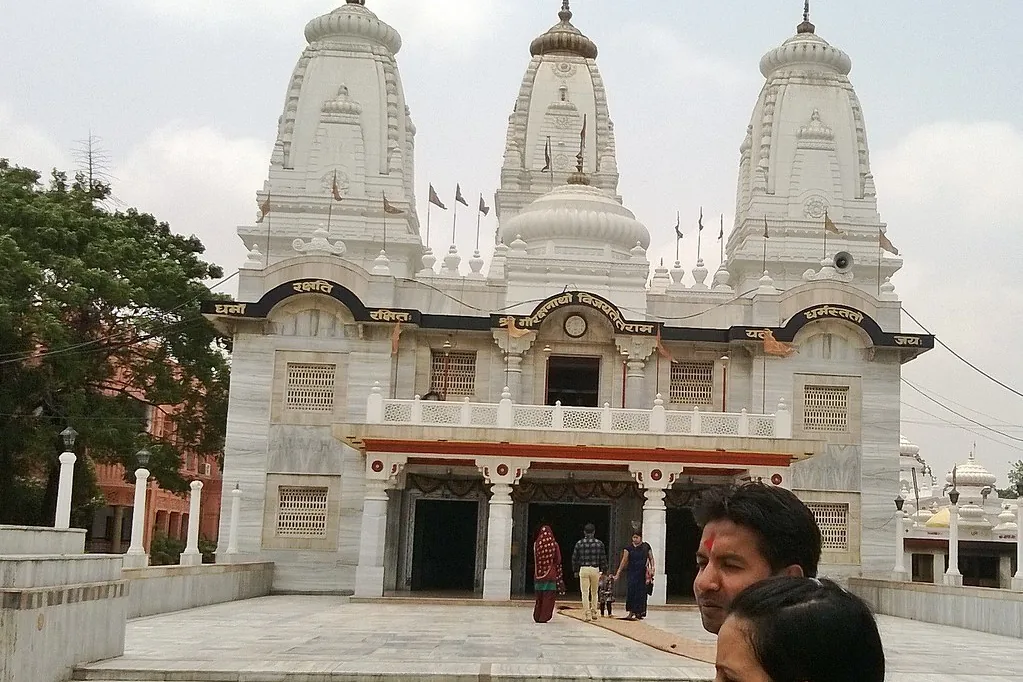
Gorakhpur's district tourism information identifies places including Gorakhnath Temple, Gita Press, Geeta Vatika and Ramgarh Tal. These can give an earlier arrival a sense of place, but they should not become a rushed checklist. Select one visit that matches your interests and the time genuinely available after arrival and rest.
A temple visit, a book-related stop and a lakeside outing offer different experiences. Gita Press and Geeta Vatika are distinct places, so use the correct name when arranging transport. Opening arrangements and special activities should be checked for the date rather than inferred from an old description. If the incoming journey has been tiring, a meal and an early night may contribute more to the Nepal holiday than another local excursion.
Keep the railway or airport pickup unambiguous
Use the arrival point shown on the actual booking, not a vague instruction to meet in Gorakhpur. Share the service number and arrival date with the person arranging transport. Where a station has more than one exit or meeting area, follow the agreed instructions rather than walking out first and trying to reconcile locations afterwards.
At the airport, allow the arrival process to finish before treating yourself as ready for pickup. Keep a phone reachable and send a short update when bags have been collected. A transfer included in one proposal may be excluded in another, so distinguish your independently arranged arrival transport from the main tour vehicle. If a driver changes, use the operator's established contact to verify the updated arrangement instead of following an unsolicited message.
Prepare documents before leaving home
The best time to discover a missing document is before starting the journey to Gorakhpur. Indian citizens should use the Embassy of India's current travel guidance for Nepal. Its air-travel page specifies a valid Indian passport or original Election Commission voter identity card with photograph; downloaded voter ID, Aadhaar, PAN and driving licences are not accepted for that air-travel purpose.
A road trip still needs appropriate nationality and identity documentation. Travellers with children, different nationalities or unusual document circumstances should resolve their own requirements in advance. Do not rely on a domestic hotel ID rule as evidence of international entry eligibility. Keep originals in an accessible bag, with copies stored separately. Gorakhpur should be the place you assemble for the holiday, not the place you first investigate whether the group can travel.
Make one bag ready for the road
Pack a small bag for the first travel day before checking out. Keep documents, drinking water, regular medicines, charging essentials and a light layer within reach. This reduces the need to reopen a large suitcase at every stop. Label the main luggage clearly, especially when several families have similar bags, and keep each person's most important items with the person who needs them.
The overnight stay offers a useful chance to redistribute luggage after the incoming journey. Put items needed only in Nepal back into the main bag and remove unnecessary loose packages. Group vehicles have to accommodate people and bags together, so do not assume that an unused passenger seat is available for luggage. Tell the operator about unusually bulky items or mobility equipment before the vehicle is allocated.
Arrange food around the actual inclusion sequence
A Nepal package's meal plan may start after leaving Gorakhpur. The stated five breakfasts and five dinners on Trishna's published departure do not automatically include an arrival dinner in Gorakhpur or breakfast before the tour begins. Place the included meals against the itinerary, then arrange the gaps independently.
If staying overnight, consider whether you can eat before checkout without delaying the group. If arriving directly, identify a practical opportunity to eat rather than assuming the first stop will suit everyone. Families should communicate dietary restrictions early and carry any personal essentials they normally need. Keep food arrangements simple on the departure morning. A complicated restaurant plan can undermine an otherwise sensible connection by using the time intended for reporting and luggage loading.
Understand how the first Nepal day fits together
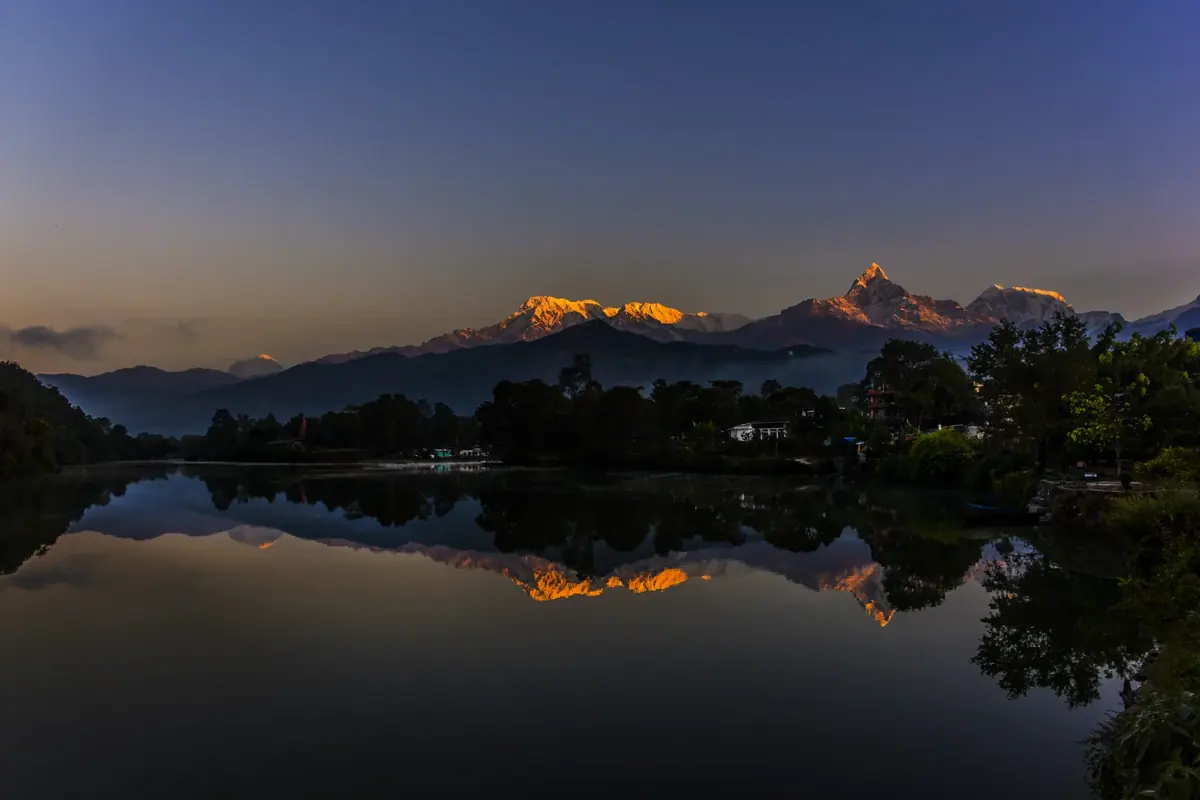
The published group route runs from 28 November to 3 December 2026, with one night in Chitwan, two in Pokhara and two in Kathmandu. Lumbini is planned en route. That means the first day combines assembling in Gorakhpur, road travel, the border process and onward movement to the overnight destination. It is not a spare sightseeing day that begins after a late arrival.
An earlier start does not eliminate uncertainty, but arriving ready helps preserve the time available. Keep the Lumbini visit in perspective: a focused stop and a full Buddhist pilgrimage visit are different experiences. If Lumbini is your principal interest, a private itinerary with more time there may suit you better. Choose the route that matches your purpose rather than expecting a shared departure to become a different holiday after joining.
Plan the return connection as carefully as the arrival
The return to Gorakhpur should be treated as a road journey with an estimated completion, not a guaranteed connection to a particular train or flight. Traffic, stops and border formalities can affect the day. Share proposed onward travel with the operator before booking it and consider what a missed connection would mean for your party.
An overnight stay after the tour can provide a calmer ending when the available connection is tight. It also gives travellers time to repack and recover before another journey. That extra night is a personal planning choice, not an implied inclusion in a five-night Nepal package. Compare its full cost with the inconvenience and potential expense of a missed onward service. The cheapest ticket combination may not be the least costly overall plan.
Have a simple response to a delayed arrival
If the incoming service is delayed, send the operator a concise update containing the service, revised arrival information and the number of travellers affected. Keep one person responsible for communication so that the driver does not receive contradictory instructions from several relatives. Ask for the workable options instead of assuming that an unplanned pickup or a changed route is available.
For a shared departure, catching up later may involve arrangements that were never included, or may not be practical. A private tour may be adjustable but can still lose visiting time. Read the booking terms for the consequences of arriving late. The aim is to know the decision process before something changes, not to expect the operator to promise that every possible disruption can be solved without additional cost.
Finish with a clear handover to the tour
Before leaving the hotel or arrival point, check the essentials that are easy to forget: documents, chargers, medication, room keys and all pieces of luggage. Settle any independently booked accommodation or meal charges. Keep the meeting instructions visible and tell the operator if a member of the party is not ready, rather than allowing the group to discover the problem at departure.
Once everyone joins, the focus can move from connections to Nepal. A good Gorakhpur plan has done its work when travellers are rested enough, know what comes next and are not carrying unresolved arrival problems into the road journey. There is no single ideal hotel location or arrival service for every visitor. There is a practical arrangement that fits your actual booking, your travelling companions and the timetable you have agreed.
Sources & official guidance
Planning references. Recheck document and operating rules for your travel date.
- Gorakhnath Temple, Gita Press, Geeta Vatika and Ramgarh Tal; no opening time or distance claims reproduced. ↗
- Gorakhpur arrival context; no specific train/airline schedule or service availability represented. ↗
- Indian air-travel original passport/voterID guidance; road requirements scoped separately. ↗