
Everything worth knowing
01Choose a workable city day
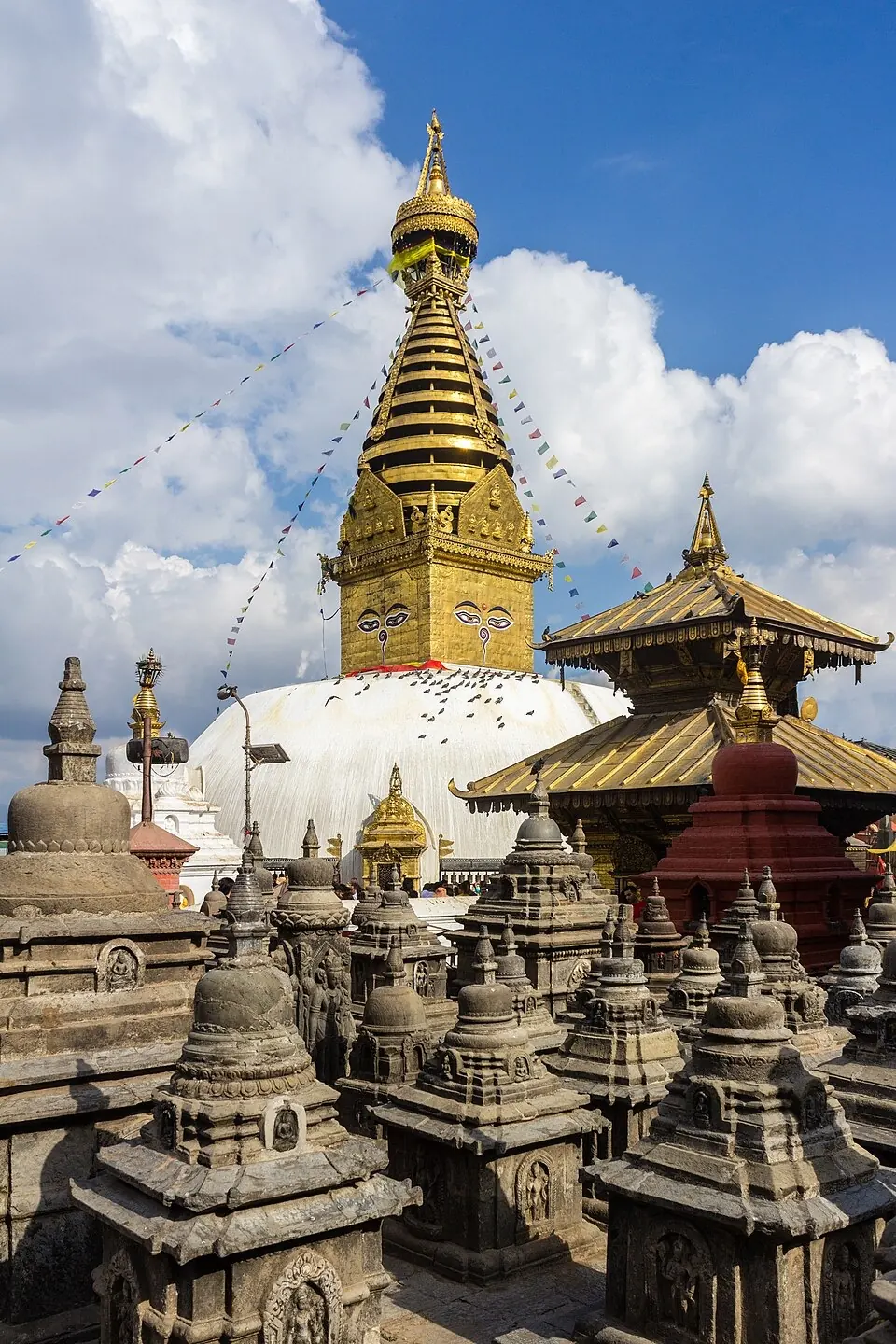
Pashupatinath, Boudhanath, Swayambhunath and the old city are separate visits, not a single stop.
Pashupatinath, Boudhanath, Swayambhunath and the old city are separate visits, not a single stop. Start with the site that matters most to your family and build around it. If the main temple is your priority, keep the rest of that morning flexible. If architecture is the priority, give a heritage square time on foot instead of trying to photograph every landmark through the vehicle window.
02What to settle before booking
Ask which sights are actually included, whether entrance tickets are extra, how much walking is involved and where the vehicle can stop.
Ask which sights are actually included, whether entrance tickets are extra, how much walking is involved and where the vehicle can stop. A list headed Kathmandu sightseeing does not automatically include Patan, Bhaktapur or a distant viewpoint. Keep shopping and an evening walk optional after a long arrival day. Travellers who need easier access should request a plan that accounts for steps, uneven paving and walking from parking areas.
03How it fits the route
Combine Kathmandu with Pokhara for contrasting city and lake experiences.
Combine Kathmandu with Pokhara for contrasting city and lake experiences. Add Chitwan only if the extra transfer and wildlife time fit the available days. Returning to Gorakhpur is a substantial travel day; do not book a tight onward train connection on the assumption that a map's driving estimate includes the border and rest stops.
04Plan the city as several visits, not one drive
Kathmandu sightseeing involves the time inside each place as well as the drive between them.
Kathmandu sightseeing involves the time inside each place as well as the drive between them. A temple visit, a heritage square and an evening in Thamel have different purposes. Decide which are essential before filling every available hour. The first evening after a long intercity transfer is a poor place to put an important prepaid visit.
For a private itinerary, ask which places are being grouped together and where lunch fits. In a fixed group, read the actual named visits rather than assuming all of Kathmandu is included. A full sightseeing day is still finite: traffic, queues, security checks and walking can reduce the number of additional stops that make sense.
05Tell the driver the exact hotel and entrance
A hotel address is more useful than asking for a drop in Kathmandu.
A hotel address is more useful than asking for a drop in Kathmandu. Narrow lanes and pedestrian areas can affect the final approach, particularly for larger vehicles. Ask where the vehicle will stop and how far you will need to carry luggage. If assistance is important, discuss it before choosing the hotel.
During independent time, save your hotel location and the group meeting point separately. A familiar landmark can have several entrances or approach roads. Confirm whether a later pickup is part of the vehicle service; free time on the itinerary does not necessarily include unlimited car use.
06Make room for the reason you came
If Pashupatinath is the priority, plan the surrounding day around that visit rather than treating it as a quick stop between unrelated sights.
If Pashupatinath is the priority, plan the surrounding day around that visit rather than treating it as a quick stop between unrelated sights. If heritage is the interest, discuss guiding and the time needed to understand the squares and courtyards. If travelling with children or older relatives, choose the walking commitments deliberately.
Entry charges, photography rules and restricted areas are site-specific. Recheck them close to travel rather than relying on a fixed assumption. Ask which tickets and local transfers are included in the quote. The destination page explains the planning context; the accepted itinerary states the services you are actually booking.
Sources & official guidance
Planning references. Recheck document and operating rules for your travel date.