
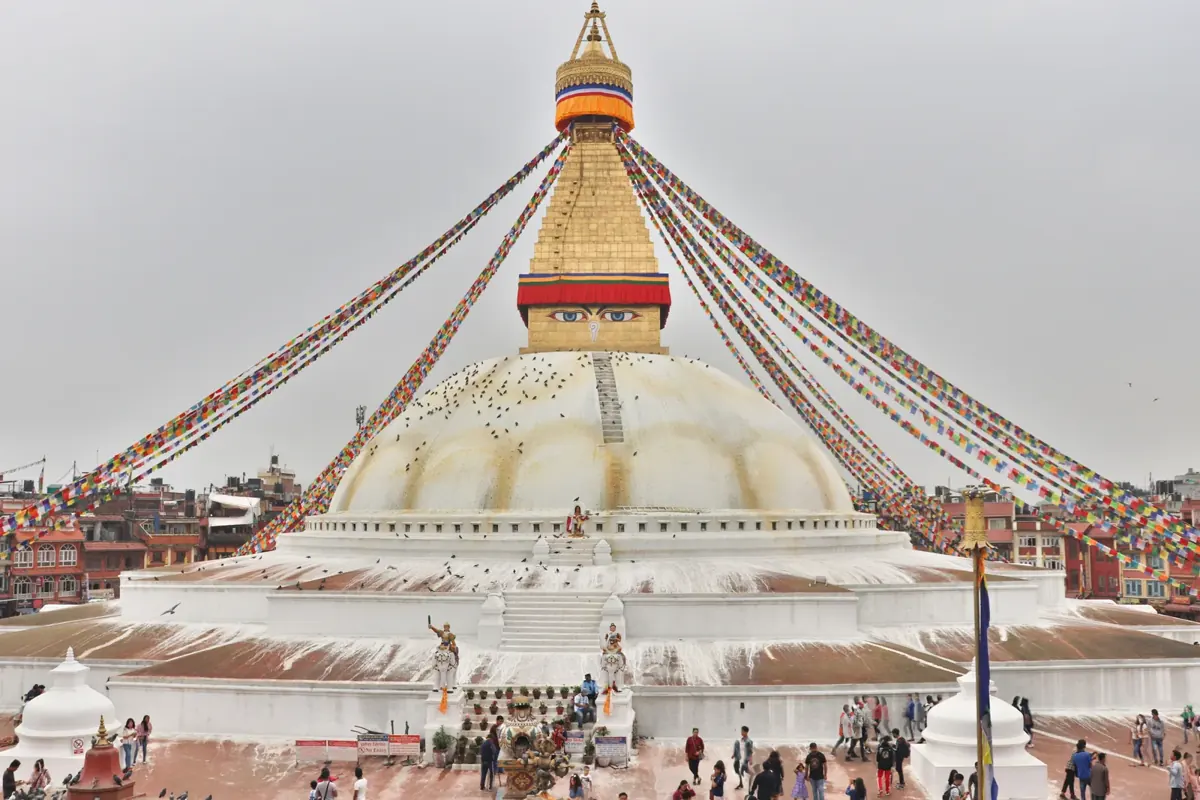
Everything worth knowing
Three decisions before you book
| Decision | Settle this first | Why it matters |
|---|---|---|
| Route | Start, finish and night-by-night stops | Shows usable visiting time |
| People | Adults, child ages and rooming | Determines the real service requirement |
| Scope | Inclusions, exclusions and payment terms | Makes the final price understandable |
1. Can you travel on the published date?
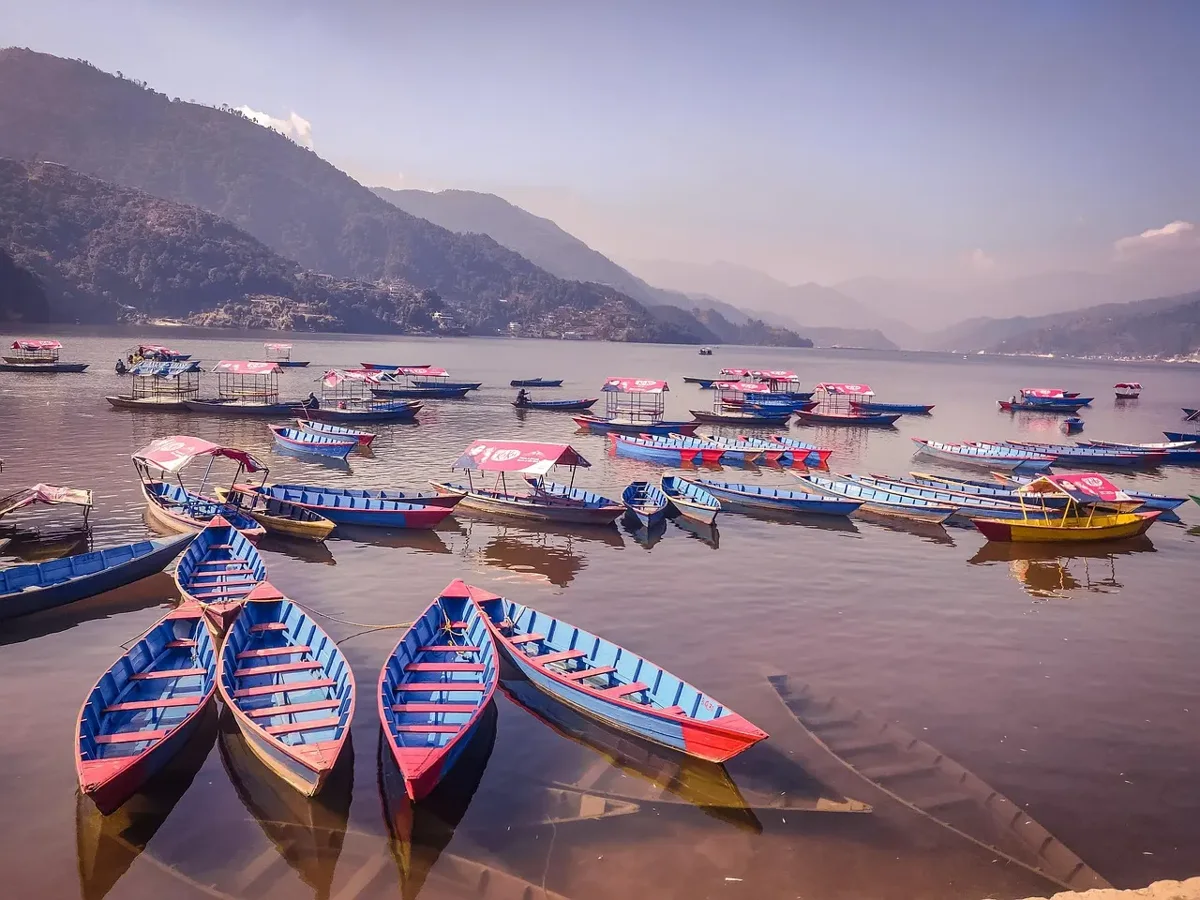
A fixed departure works when your leave, arrival in Gorakhpur and return connection fit the announced programme. Check the joining point as well as the start date; a train reaching the city after the group leaves does not fit the departure.
A private enquiry starts with your preferred dates. Availability and the final price still need confirmation, but you are not choosing from only one shared departure date. Tell the desk if you can move by a day or two, as that gives more options when discussing the plan.
2. Who do you want to travel with?
On a shared tour you travel alongside other guests and use a common schedule. That can suit solo travellers, couples and friends who are comfortable with a group format. Personal free time depends on the itinerary, not an assumption that each person can change the programme.
A private vehicle is organised for your own group. It can be helpful for a family that wants to remain together or friends with a shared interest. If people in the group want different excursions at the same time, discuss how that would work; one vehicle cannot serve two distant places simultaneously.
3. How much control over pace do you need?
Read the transfer days before the sightseeing list. A private itinerary can be designed with fewer overnight stops or more rest time, but it cannot remove traffic, border formalities or mountain access constraints.
On a fixed group, the daily departure and meeting times are shared. If a traveller needs a particular walking pace or assistance, describe that need before payment. Some requests may fit the programme; others may be better served by a different itinerary.
4. What room arrangement makes everyone comfortable?
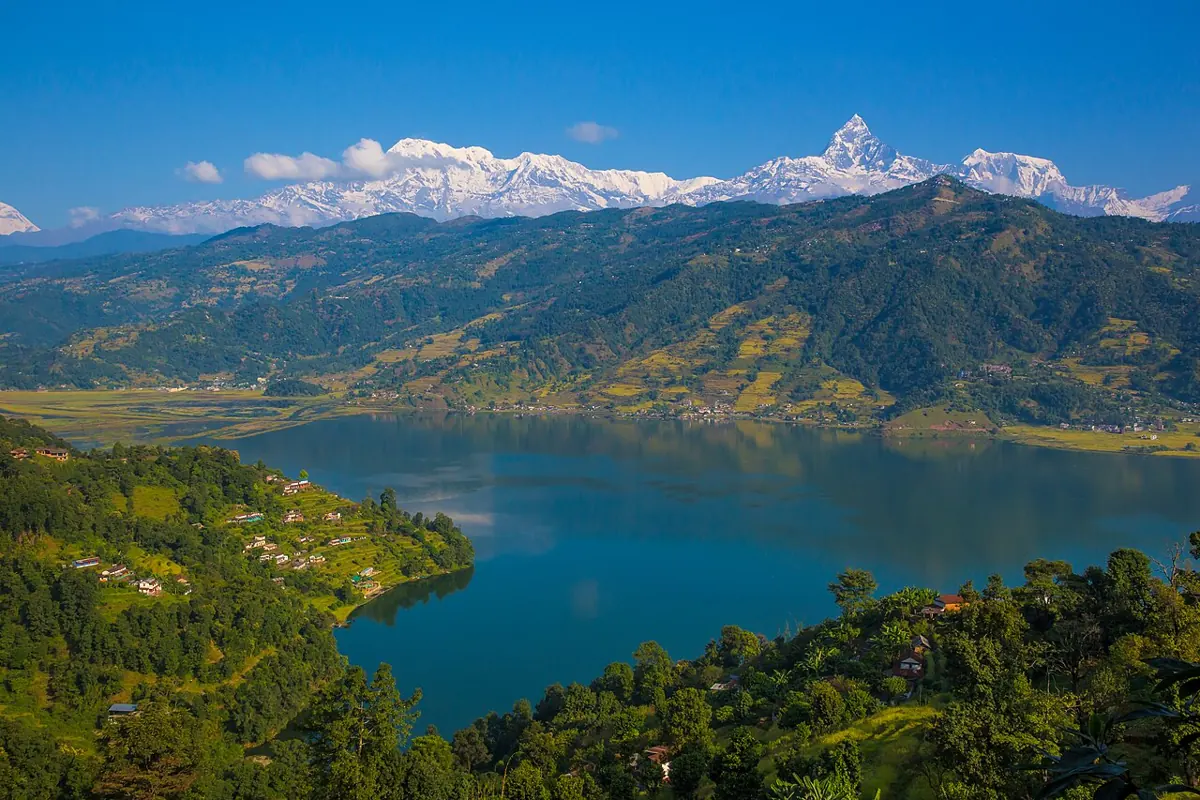
Compare the exact sharing basis. A group price per person and a private quotation for a family using two rooms are not like-for-like figures. Ask about bedding, child occupancy and the proposed room category.
For a honeymoon or an anniversary, hotel location and private time may matter more than the longest sightseeing list. For a family, nearby rooms and practical access may matter more. Put the essential requirements into the enquiry, and check which are confirmed.
5. Which changes might you want to make?
If you expect to add nights, leave out a city or change the route, request a private itinerary before booking. Changes can still carry supplier costs, so flexibility should be defined rather than assumed.
If your priority is a published date and a clearly stated shared package, start with the group itinerary. Compare what is included, what costs extra and the cancellation terms. Whichever format you choose, the final decision should be based on the written proposal.
A private tour starts with your group’s priorities
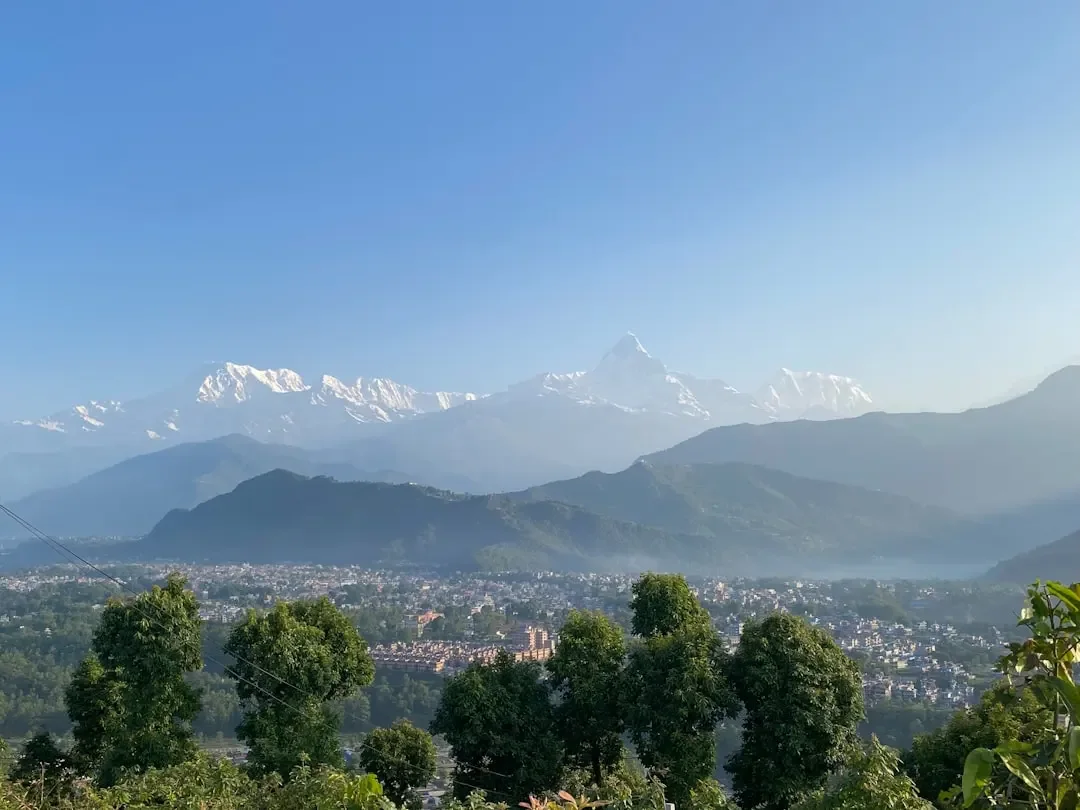
A private itinerary can be drafted around your dates and the places you most want to visit. That flexibility is most useful before the hotels and transport are committed. Once booked, a change may still carry supplier charges or require additional time; private does not mean every last-minute request is automatically included.
Give the desk a clear brief: adults, children, rooming, arrival point and must-see places. Explain whether the party wants longer local visits, fewer early starts or a particular religious focus. Compare a route designed around that brief with the group programme rather than expecting both to have the same price per person.
Pilgrimage and trekking require different decisions
A pilgrimage may prioritise religious access, the time for a particular visit and family comfort. A trek involves consecutive walking days, lodge arrangements and a licensed operating team’s assessment of the route. Do not choose either solely from the most dramatic photograph in the gallery.
If the group has mixed goals, ask which interests can be combined sensibly and which would require separate programmes. A city holiday with one optional outing is not the same as a mountain route. Clearly naming the purpose helps the desk quote the appropriate services instead of adding destinations that work poorly together.
Make the decision with a simple brief
Write your available dates, maximum nights, complete budget and two non-negotiable priorities. Then identify what you are willing to compromise on: hotel category, private transport, flexibility or the number of destinations. This creates a much more useful conversation than asking only for the cheapest Nepal package.
Request a written shortlist with the reason for each recommendation. Once you choose the route, resolve the rooming, meals, optional activities and payment terms. The right travel style is the one whose practical compromises you accept before the journey begins.