
Everything worth knowing
Three decisions before you book
| Decision | Settle this first | Why it matters |
|---|---|---|
| Route | Start, finish and night-by-night stops | Shows usable visiting time |
| People | Adults, child ages and rooming | Determines the real service requirement |
| Scope | Inclusions, exclusions and payment terms | Makes the final price understandable |
Begin with the pilgrimage your group wants
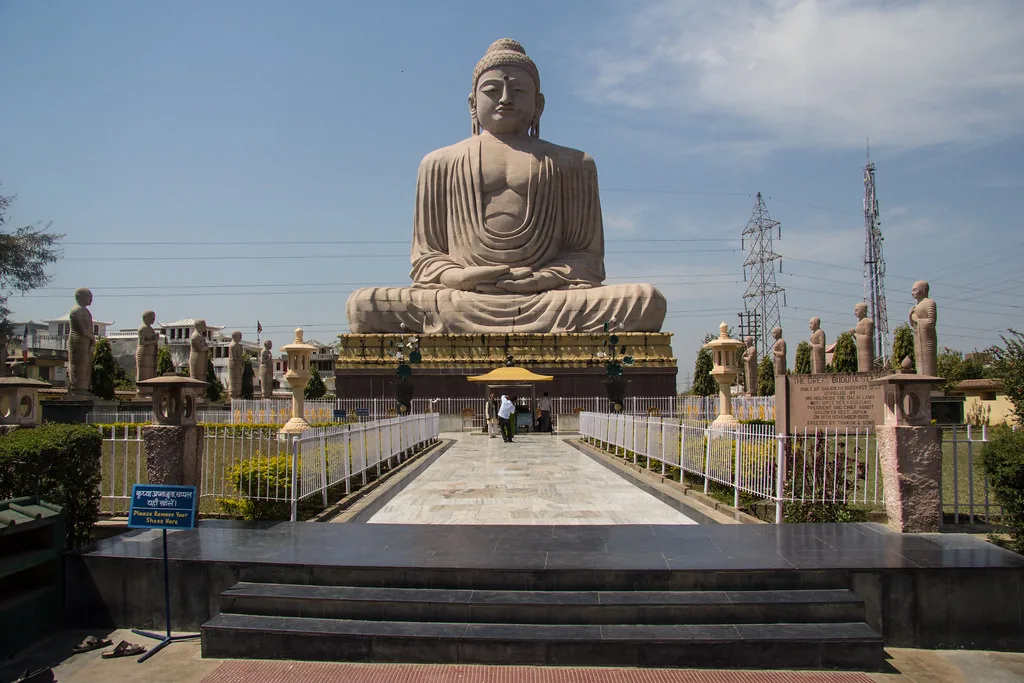
An India–Nepal Buddhist circuit connects places with different meanings, landscapes and visiting conditions. Lumbini marks the Buddha's birthplace; Bodh Gaya is associated with enlightenment; Sarnath with the first sermon; Kushinagar with Mahaparinirvana. Rajgir, Nalanda and Shravasti deepen the journey through teaching, monastic learning and places of retreat. The strongest itinerary gives each place a purpose instead of presenting seven interchangeable photo stops.
Before discussing hotels, ask the group what deserves the most time. A monastery delegation, a family discovering Buddhist heritage and a mixed cultural group will use the same destinations differently. Prayer, interpretation, quiet sitting and photography all need room. Choose a few shared priorities, then let those priorities determine the route and overnight stays.
Choose gateways before arranging the sightseeing
International flights should fit the pilgrimage, rather than forcing the pilgrimage around an attractive fare. Compare arrival and departure gateways against the ground route, immigration requirements and the first day's demands. A late arrival followed by an early departure leaves little opportunity to recover, particularly for older travellers. Consider whether an arrival night near the gateway makes the following day more useful.
An open route and a circular route solve different problems. An open route can reduce backtracking but may complicate flight arrangements. A circuit returning to its starting country may require an additional immigration entry. Put each international crossing on the route sheet before purchasing tickets. Airport names alone are insufficient: the actual operating flight, arrival time and available onward connection matter.
Treat immigration as part of the route
Every traveller's nationality and immigration permission must match the proposed journey. An arrangement available to Indian citizens is not automatically available to an international pilgrimage group. For India, consult the official Indian Visa Online portal and Bureau of Immigration guidance for the visa category, number of entries and permitted immigration checkpoints. An electronic arrival declaration is not a visa.
For Nepal, consult the Department of Immigration or the relevant Nepalese mission for nationality-specific requirements. Do not assume that visa on arrival applies to everyone. Where the route returns to India after Lumbini, examine that return crossing separately from the original airport arrival. Keep passport names consistent across tickets, rooming lists and documents. A group organiser should track completion without sharing passport scans in an open group chat.
Give Lumbini enough physical space
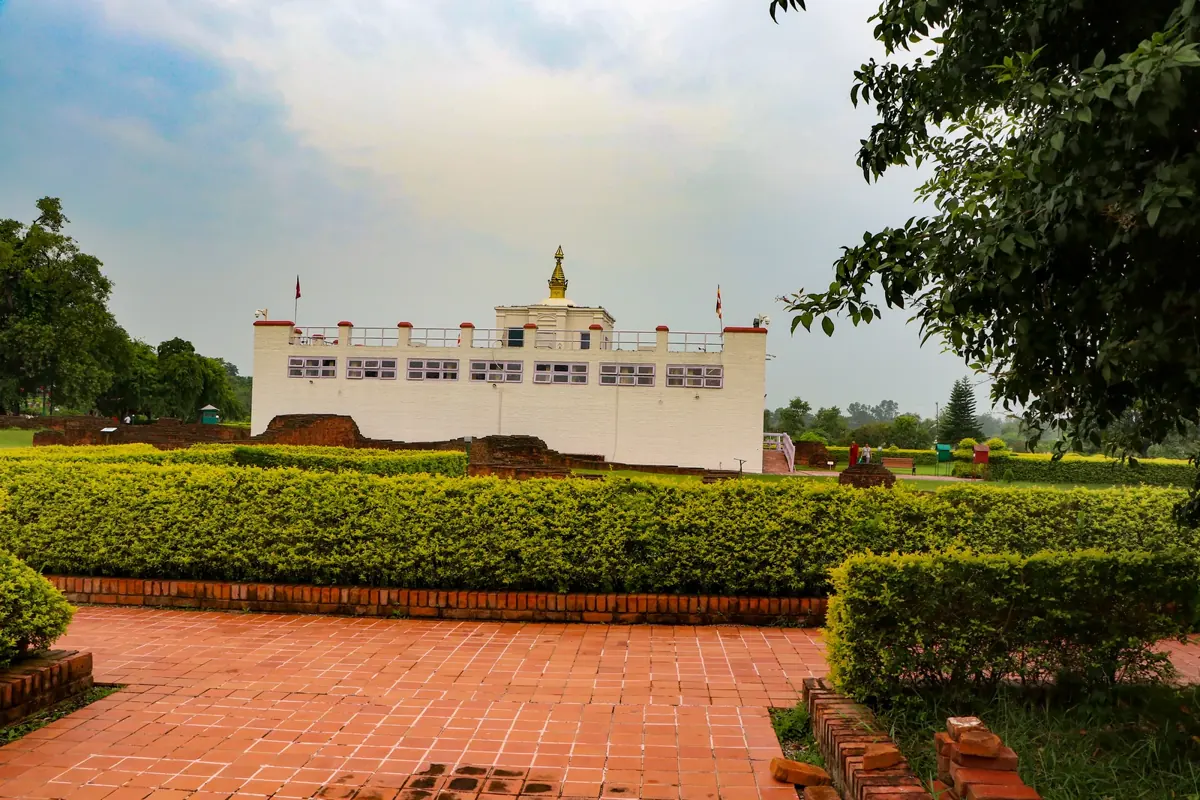
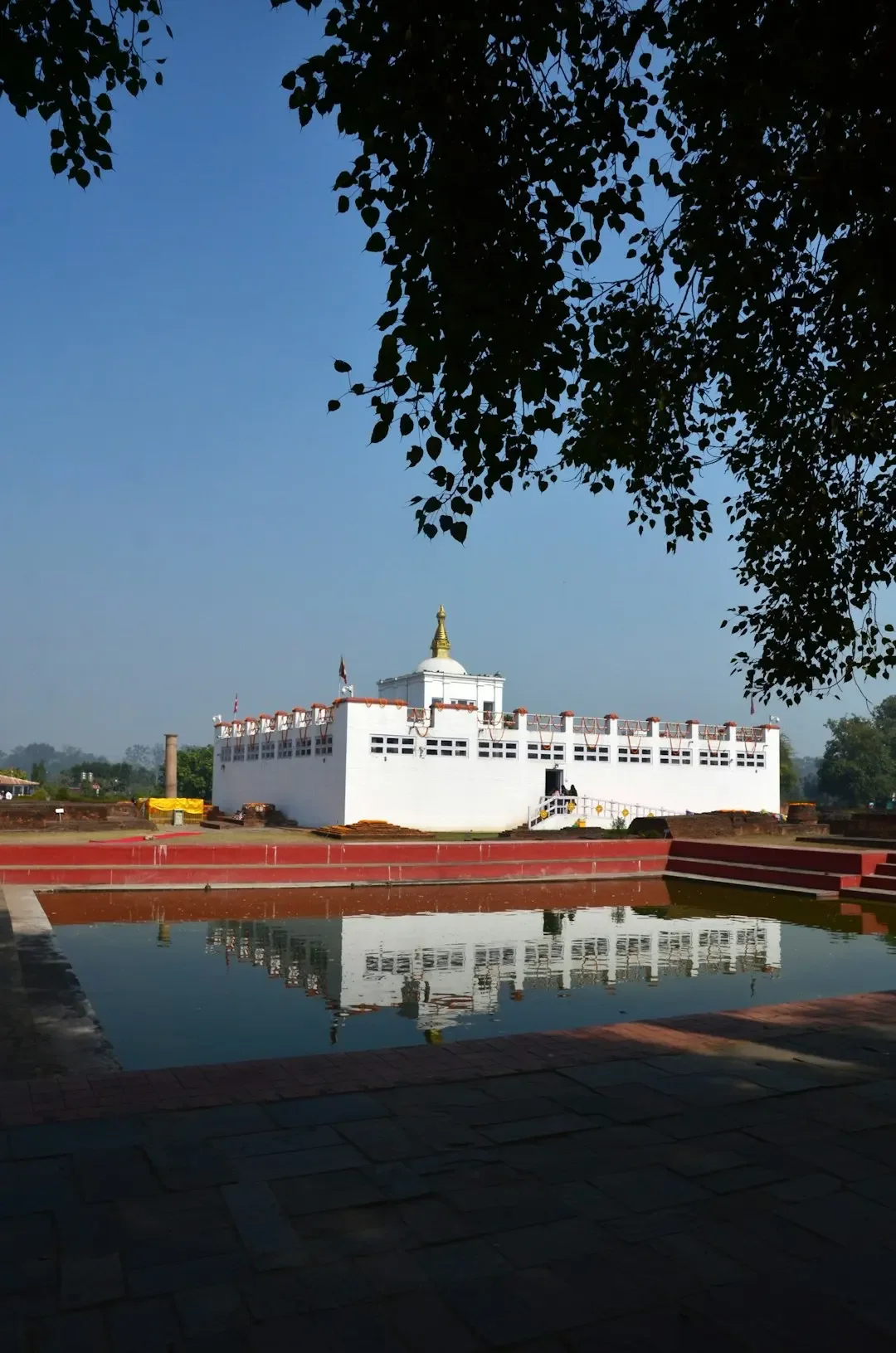
Lumbini's sacred core and wider monastery landscape should not be treated as one compact building. The Maya Devi area and Ashoka pillar provide the central historical focus. Beyond that core, select monasteries according to the group's interests, traditions and available time. Walking distances and local transport arrangements affect the day as much as the number of places on the itinerary.
A focused visit suits a transfer day; a pilgrimage stay allows a different rhythm. Neither should be sold as the other. Leave time for removing footwear, regrouping and personal reflection. Travellers arriving after a border crossing may appreciate a simple first visit followed by a longer return. Ask the guide to explain the significance of the place before moving into a sequence of monuments.
Make Bodh Gaya a stay with a purpose
At Bodh Gaya, the Mahabodhi Temple Complex deserves the group's best attention. UNESCO identifies its association with the Buddha's enlightenment and its exceptional archaeological importance. A hurried arrival visit is very different from having time to return, sit quietly and notice how the place is used by pilgrims. Protect that experience before adding distant excursions.
Organise interpretation around what people can see, hear and understand on site. A guide's explanation should leave room for worship rather than compete with it. International groups may benefit from a short introduction in their preferred language before entering a quieter area. Temple access rules, security procedures and restrictions on belongings should shape the day's practical briefing. Keep a simple meeting point for anyone who finishes earlier.
Separate Rajgir's landscape from Nalanda's learning
Rajgir and Nalanda complement each other, but their visits should not collapse into a single hurried excursion. At Rajgir, establish which sacred places are central to the group and how they will be reached. A hillside visit introduces different walking demands from a vehicle stop. Optional leisure attractions should not displace the pilgrimage simply because they are nearby.
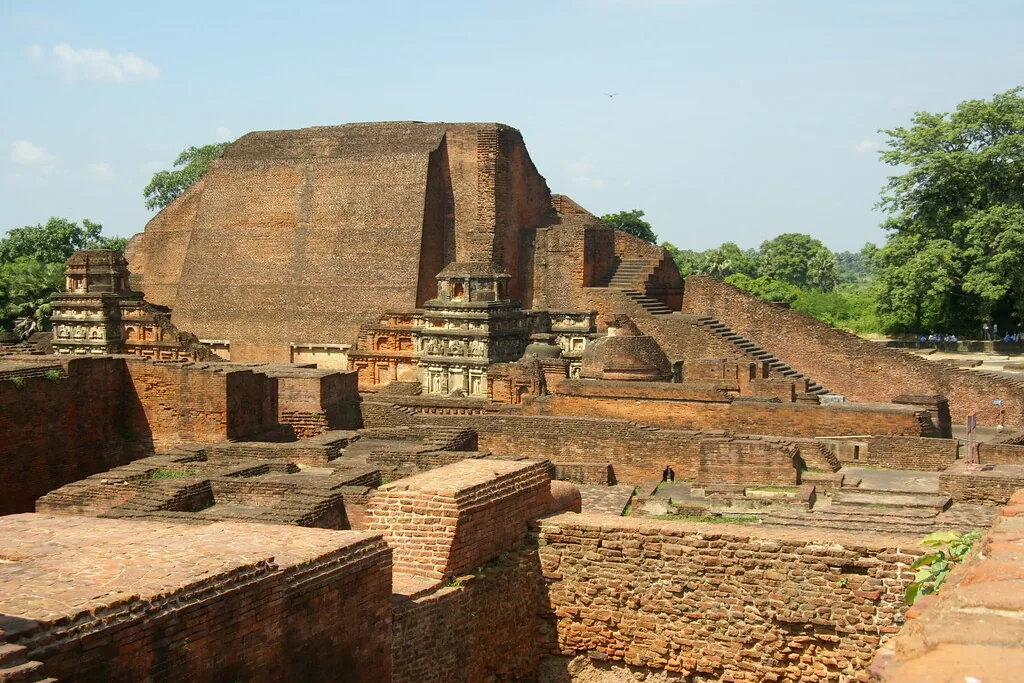
Nalanda's ancient archaeological remains tell the story of a monastic and educational institution. Distinguish this site from the modern university when describing the itinerary. Interpretation helps a visitor understand the relationship between courtyards, living spaces and shrines. Much of the visit is outdoors, so shade, water and a comfortable walking pace deserve attention. Decide whether both destinations fit the day after allowing for the actual onward transfer.
Let Sarnath stand on its own
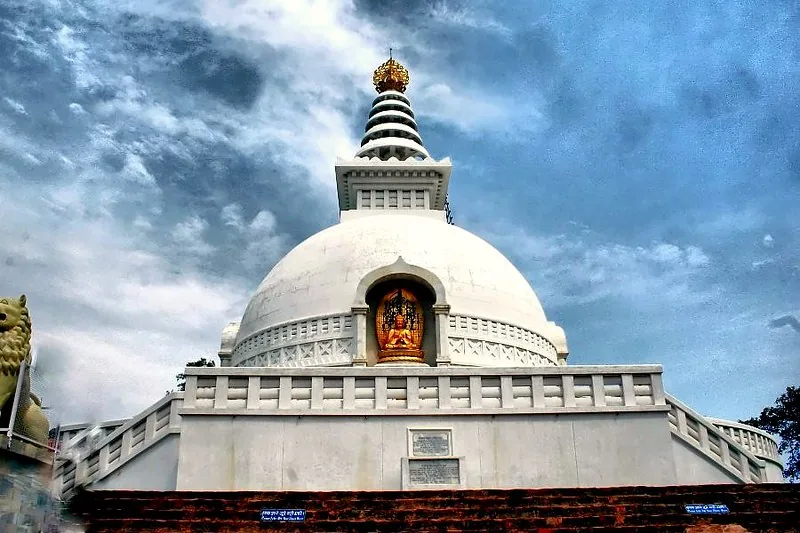
Sarnath is more than an excursion added to a Varanasi hotel booking. Its association with the first sermon gives it a central role in the pilgrimage. The Dhamekh Stupa, archaeological area and selected living temples offer different ways to understand that history. Build the visit around a coherent explanation and time for reflection rather than the largest possible attraction count.
Varanasi can serve as a gateway and overnight base, but city experiences should remain a deliberate choice. Some groups want a river visit; others prefer a quieter schedule focused entirely on Buddhist sites. Museum opening arrangements can influence the order of the day. Plan transport and luggage around the next stage so that the group is not carrying an entire departure routine into its most important visit.
Understand Kushinagar and Shravasti differently
Kushinagar marks Mahaparinirvana, while Ramabhar is associated with the Buddha's cremation. Explain that distinction instead of describing both places with the same phrase. A temple visit and time at the stupa may be physically close in the programme but emotionally different for pilgrims. Allow the group to pause without feeling that every quiet moment delays the next attraction.
Shravasti adds the Jetavana landscape and a different chapter of Buddhist tradition. It may particularly suit groups seeking a less hurried stage. A nearby meditation centre does not mean that an ordinary tour includes a retreat. Formal courses have their own arrangements and commitments. If organised practice is important, make it a separately arranged element rather than an implied benefit of visiting the destination.
Build days around people rather than mileage
A distance figure does not describe a group's travel day. Loading luggage, rest stops, meals, urban traffic and immigration all consume time. The larger the group, the more important a clear routine becomes. Leave some space between arrival and the first scheduled visit so that travellers can wash, change and settle into the destination.
An itinerary should show which days are primarily transfers and which are primarily visits. Avoid placing the most physically demanding excursion immediately after the longest journey. A guide can use the road to introduce the next destination, but continuous commentary is not always welcome. Quiet periods, accessible rest stops and a dependable meal rhythm can improve the experience more than an additional attraction squeezed into the afternoon.
Turn accessibility into specific arrangements
Ask about walking distance, steps, uneven ground, vehicle boarding and bathroom access before allocating rooms and vehicles. A broad label such as senior friendly does not explain what assistance is available. A traveller may manage a short temple approach comfortably but find repeated boarding difficult. Another may need a room near a lift while walking independently during sightseeing.
Describe those needs without making assumptions about age or disability. Where a wheelchair or other aid is used, discuss storage and assistance, including what happens at sites with restricted vehicle access. Build an alternative for a traveller who wants to rest while others continue. Medical questions belong with qualified professionals; an itinerary planner should organise practical support rather than promise that a demanding journey is suitable for everyone.
Define the standard of accommodation and meals
Premium accommodation should be described through useful details: room type, bed arrangement, bathroom, access, location and the services included. A star label alone does not tell an organiser whether the group will sleep comfortably or move efficiently the next morning. Named properties and substitution terms belong in the final proposal, with room allocations matched to the travellers.
Meals also need precision. Vegetarian preferences, allergies, fasting practices and restrictions on ingredients are different requirements. Gather them early and communicate them clearly to the relevant providers. A set group meal may be more practical than separate orders during a transfer, while a free evening can offer flexibility. State which meals are included each day so that nobody mistakes breakfast accommodation for a fully catered pilgrimage.
Select guiding and transport for the actual group
The guide's language and approach should match the travellers, not merely the booking organiser. Decide whether interpretation is required throughout the journey or at selected sites. A bilingual group may need a different speaking rhythm, while a monastic delegation may bring its own religious leader and need local logistical support rather than continuous spiritual commentary.
Transport should be assessed with passengers and luggage together. A vehicle's advertised seating capacity does not establish comfortable luggage space. Discuss boarding, seat arrangements, ventilation and the availability of a smaller vehicle if access changes. The proposal should distinguish the tour escort, local guide and driver so that responsibilities are clear. A pleasant journey depends on realistic duties and breaks, not an unsupported promise of constant service.
Compare quotations by what they actually cover
Put competing proposals into the same categories before comparing totals. Separate accommodation, meals, vehicles, guiding, entrances, immigration charges and optional experiences. Note the currency, room-sharing basis, group size and payment schedule. A lower headline can reflect fewer included services or a different room arrangement rather than a more efficient operator.
Read cancellation terms alongside supplier commitments. International flight changes, participant withdrawals and a reduced group size can affect different parts of the quotation differently. Ask how a replacement traveller or revised rooming list will be handled. Payment should follow a written proposal that identifies the contracting business and the agreed services. Do not regard a sample itinerary, verbal assurance or exchanged mood board as a final booking confirmation.
Choose a shorter core or a wider learning circuit
A first pilgrimage can focus on the four principal places associated with the Buddha’s life, giving the route a clear narrative without requiring every possible extension. This suits groups with limited leave or travellers who prefer fewer hotel changes. The sequence should still follow sensible geography and transport arrangements rather than the chronology of the Buddha’s life. A guide can explain the historical sequence even when the physical journey begins elsewhere.
A wider circuit adds Rajgir, Nalanda and Shravasti for groups interested in teaching, monastic communities and Buddhist learning. The extra places should bring extra time, not simply more stops inside the original schedule. Compare the two versions night by night. Look for where the additional transfer falls, what visiting time remains and whether the final departure still has a comfortable margin. This comparison often reveals the right choice more clearly than the total number of destinations.
Leave a useful record after the journey
Appoint one person to collect practical feedback while memories are fresh. Separate comments about accommodation, guiding, meals and pacing so that the next group benefits from specific observations. Record which visits deserved longer and which optional additions distracted from the purpose of the pilgrimage. Share photographs only with permission, especially where fellow travellers are praying or taking part in a private moment.
A short reading list and a destination map can help travellers revisit what they learned after returning home. Keep that record distinct from promotional claims: a group’s personal experience should not become a promise that every future departure will unfold identically. Thoughtful preparation and honest reflection make the circuit easier to improve without losing its individual meaning.
Prepare a group briefing that people will use
A useful pre-departure briefing fits the journey people are actually taking. Include meeting points, luggage guidance, document responsibilities, clothing for religious sites and contact arrangements. Share the daily outline, but explain that exact visiting order can change with local conditions. Give travellers a clear method for reporting a problem without interrupting the entire group.
Keep the organiser's detailed operational sheet separate from the traveller's simple version. The operational sheet can hold room allocations, supplier contacts and arrangements for assistance. Travellers need the next meeting point and the person to contact if separated. Respect photography restrictions and seek consent before photographing fellow pilgrims. The result should be a pilgrimage with enough organisation to feel calm and enough space to remain personal. Include a printed rooming list for the escort, with sensitive document details always stored separately and securely.
Sources & official guidance
Planning references. Recheck document and operating rules for your travel date.
- India visa category/checkpoint instructions; e-Arrival is arrival information, not a visa. Does not establish eligibility of any particular land crossing. ↗
- Foreign-national Nepal visa arrangements vary; some nationalities require a visa before arrival. ↗
- Lumbini birthplace, Maya Devi sacred site and Ashoka pillar. ↗
- Mahabodhi Temple and Buddha's enlightenment. ↗
- Nalanda ancient monastic and scholastic institution. ↗
- Sarnath first sermon and Dhamekh Stupa. ↗
- Mahaparinirvana at Kushinagar; cremation at Ramabhar. ↗
- Meditation centre near Jetavana; no retreat participation entitlement implied. ↗
- Rajgir/Nalanda destination connection; retrieved during preceding research. ↗