
Everything worth knowing
Three decisions before you book
| Decision | Settle this first | Why it matters |
|---|---|---|
| Route | Start, finish and night-by-night stops | Shows usable visiting time |
| People | Adults, child ages and rooming | Determines the real service requirement |
| Scope | Inclusions, exclusions and payment terms | Makes the final price understandable |
Pashupatinath needs time and respect
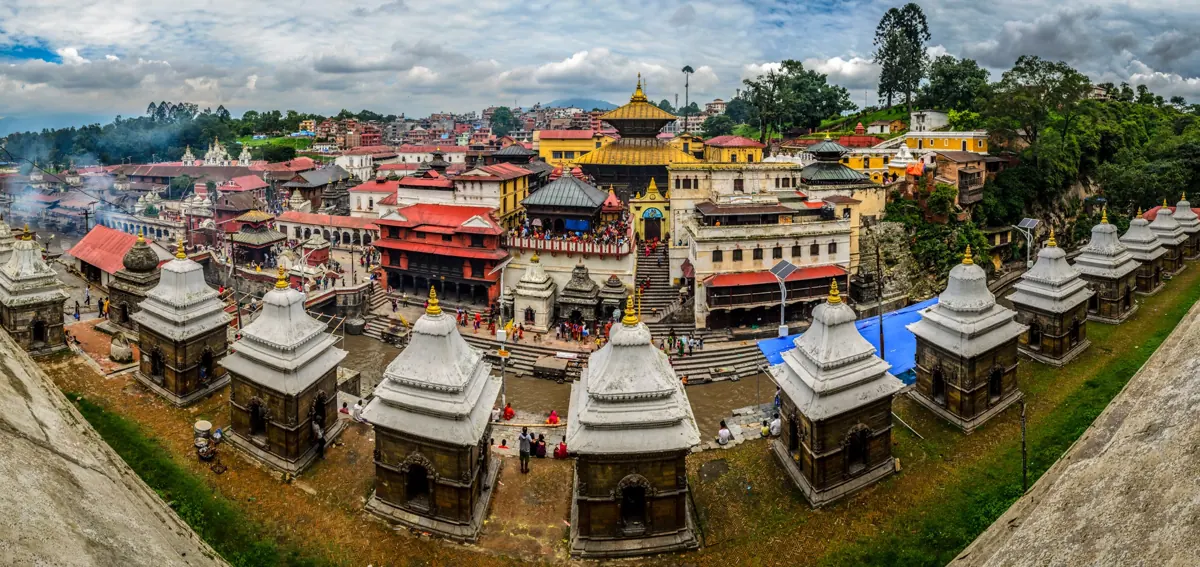
Nepal Tourism Board states that the main temple is restricted to Hindus and photography is prohibited inside. Visitors who cannot enter can view the complex from the other side of the Bagmati. Do not promise every traveller the same access or offer photographs of private rituals.
Muktinath needs more than a temple stop
Altitude, weather and the mountain approach distinguish this journey from Kathmandu sightseeing. Discuss suitable pacing and obtain individual medical advice where appropriate. Local transport, permits and contingency arrangements need confirmation for the actual date.
Janakpur changes the route
Janakpur is in the eastern Terai and is closely associated with Sita and the Ramayana tradition. It deserves an eastern route assessment rather than a last-minute addition to a Pokhara loop. Festival dates can change accommodation, crowds and access.
Agree the practical details
Walking, steps, queue time, footwear storage, local shuttles and meal timing matter to a pilgrimage group. Share mobility needs early. Temple opening and ritual schedules should be rechecked near departure; a package cannot guarantee darshan without queues.
Prepare for different walking requirements
A temple precinct, cave, archaeological site and mountain approach place different demands on travellers. Ask about the actual drop point, steps, footwear arrangements and where someone can wait if they do not complete a visit.
Share practical assistance needs early without assuming that the same vehicle or guide can solve every access issue. Individual health suitability, particularly for a mountain route, should be discussed with an appropriately qualified clinician.
Keep devotional priorities visible
Identify the visit that is central to the trip. Protect its time before adding viewpoints, shopping or optional sightseeing. A group with different priorities may need an agreed regrouping point and a clear explanation of what the common programme covers.
Temple access and ritual arrangements should be checked near travel. A quoted sightseeing visit does not guarantee entry, a private ceremony or a particular ritual time. Ask what the programme does if the planned visit is restricted.
Choose the pilgrimage before choosing the circuit
Pashupatinath, Janakpur, Lumbini and Muktinath serve different travel purposes. Start with the sacred place that matters most to your family, then work outward to the supporting stops. A route that looks comprehensive on a map can leave little time for the visit you actually came to make. Tell the planner whether you want an unhurried temple visit, a specific ceremony or simply an introduction to the place. The programme should distinguish these rather than promising an unspecified “darshan”.
Keep optional sightseeing separate from the main pilgrimage. If a family member needs a slower morning, the important visit should not depend on everybody completing an early excursion. Ask where the vehicle can drop you, how much walking remains and whether the itinerary allows you to return to the hotel before the next activity.
Make the daily plan workable for your family
Write down the practical requirements of the oldest and youngest travellers: rest breaks, meal timing, room access and the amount of walking they are comfortable with. A city hotel with convenient access may suit the family better than a remote property with a more impressive photograph. Request the actual room arrangement and any stair access before confirmation.
Treat a mountain pilgrimage as a separate planning decision from a lowland city circuit. Ask the operator to identify the mountain-road section, vehicle changes, overnight stops and alternatives if conditions interrupt the route. Discuss personal health and altitude concerns with an appropriately qualified clinician; a website itinerary cannot determine individual fitness for travel.
Confirm ceremonies, guides and personal expenses
A package that includes transport to a temple does not automatically include a priest, a ritual, offerings or access to every part of the site. Ask for each promised service to be named in writing. If you arrange a ceremony independently, agree its scope and price before it starts. Keep discretionary donations separate from the package budget.
Photography, clothing and entry practices can differ between sacred sites and between areas within the same complex. Follow the instructions displayed at the entrance and ask before photographing people engaged in worship. Leave enough time for the visit to be meaningful without turning the day into a sequence of hurried photo stops.
Sources & official guidance
Planning references. Recheck document and operating rules for your travel date.