
Everything worth knowing
Give each part of the trip its own time
| Priority | Useful base | Planning decision |
|---|---|---|
| Heritage and sacred sites | Kathmandu | Choose a focused valley circuit |
| Lake time and viewpoints | Pokhara | Separate sunrise, lake and local visits |
| Both cities | A longer Nepal circuit | Allocate transfer days before adding outings |
Choose Pokhara when you want breathing room
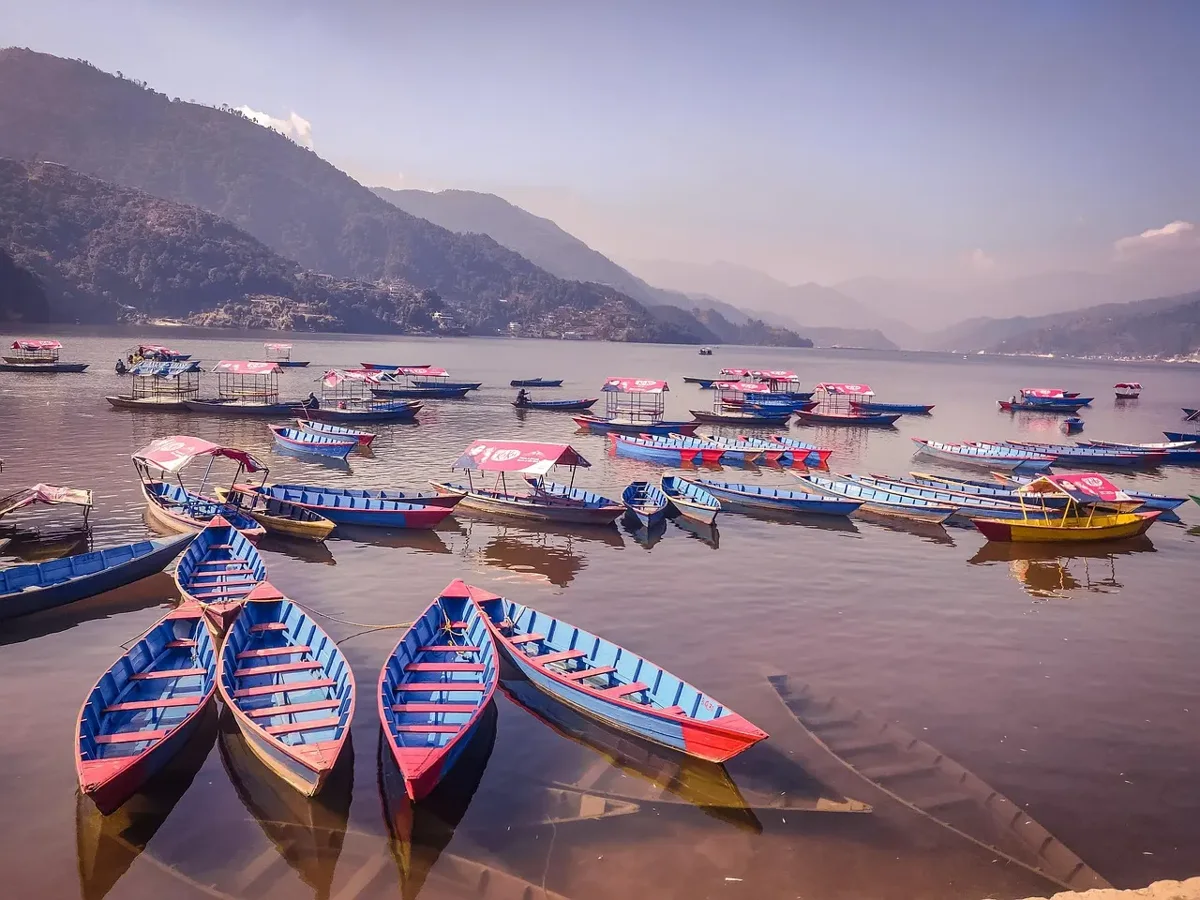
Phewa Lake and Lakeside suit an evening without a strict attraction schedule. Families and couples can alternate local sights with free time. Sunrise and mountain views depend on conditions; outdoor activities have separate costs and suitability requirements.
Choose Kathmandu when heritage is the priority
Temple precincts, stupas and historic squares reward time on foot. Traffic and entry queues affect how much fits in a day. Decide whether the priority is Pashupatinath, Buddhist sites or architecture, then group nearby visits. The entire valley is not a single sightseeing stop.
Combine them with a full day in each
Two nights in each city gives a full day between arrival and departure. Allow another day for the transfer between them. Adding Chitwan needs more movement; adding Muktinath changes the trip substantially.
If time is short, choose one
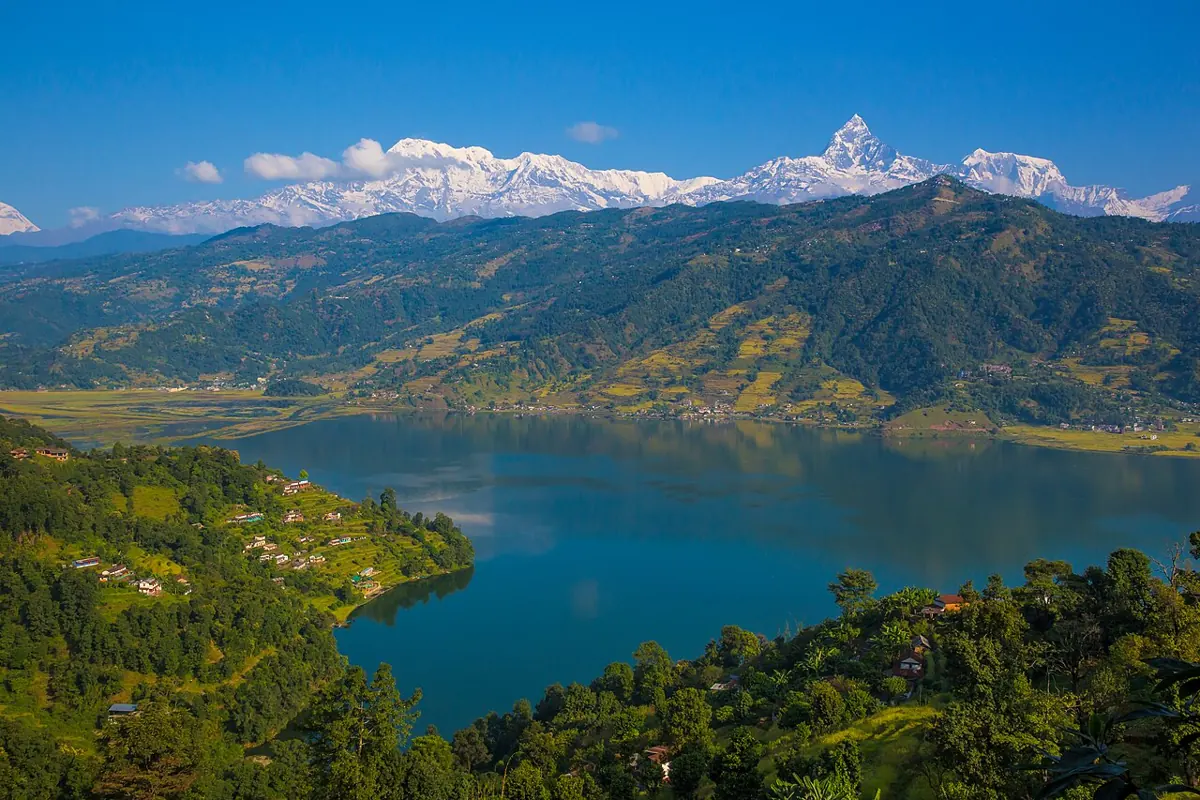
A focused trip can feel richer than a rushed circuit. Share your available nights and Gorakhpur arrival time so the route can be assessed realistically. The most suitable package is the one whose road days you are comfortable with.
Compare a real day, not two lists of attractions
In Pokhara, consider how much time you want for the lake area, local visits and a quiet meal. In Kathmandu, decide whether the main purpose is a temple visit, Buddhist sites or historic architecture. Each choice creates a different pattern of travel and walking.
A list of ten names does not show queues, parking, meal breaks or time spent moving between areas. Ask the desk to describe one workable full day in each city, then choose the experience you prefer.
Room location can change the experience
A room close to the places where you want to spend your evenings may reduce repeated transfers. Ask about vehicle access, walking distance and the immediate surroundings rather than relying on a hotel category alone.
For couples or families who dislike packing, an extra night in one base can be more useful than adding another destination. If you do combine both cities, protect the transfer day and do not describe it as a full day of local sightseeing.
Choose the city that matches the reason for travelling
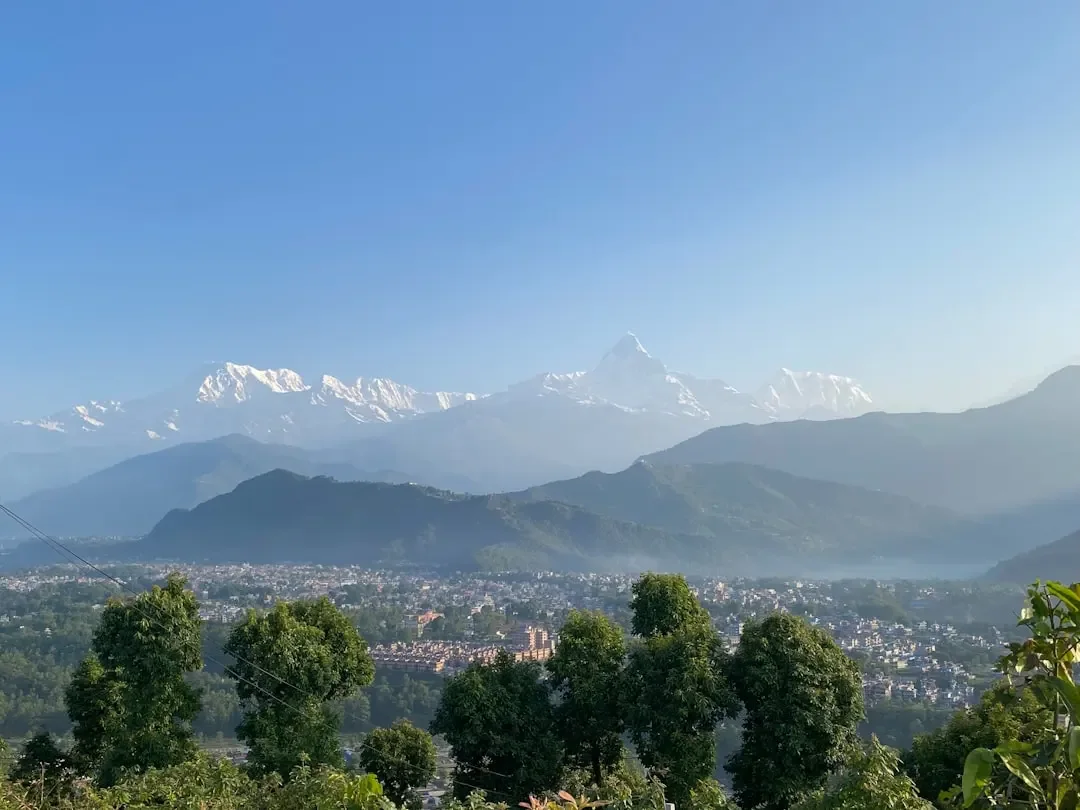
Choose Kathmandu as the core when valley heritage, Pashupatinath or a flight-led short break is the priority. Choose Pokhara when lake time, viewpoints and a slower base are more important. Neither city needs to be presented as better for everyone. The useful question is which one gives your group more of what it came to Nepal to do.
If you have already booked an international Kathmandu arrival, allow for the transfer needed to reach Pokhara and return. Those segments consume time even if the hotels are counted as the same number of nights. A Kathmandu-only itinerary can be a more satisfying short holiday than an attempt to fit both places into too few days.
What a full visiting day can contain
In Kathmandu, choose a focused heritage or sacred-site circuit and leave time for walking, access and meals. Pashupatinath, Boudhanath, Swayambhunath and the valley squares are not one continuous attraction. A guide can add context, but guiding must be included or separately arranged rather than assumed from the vehicle booking.
In Pokhara, distinguish a lake outing from a cave-and-waterfall visit and from an early viewpoint trip. Sarangkot and Pumdikot have different purposes. Begnas is a further choice, not a free addition to every sightseeing day. Select the places that suit the group and leave some room to enjoy the base itself.
Family pace, weather and mobility
A family seeking relaxed evenings may value an extra night in one city more than another change of hotel. Think about unpacking, meals, early starts and the needs of the oldest and youngest traveller. Being based in a city does not make every local attraction accessible without steps or walking.
Mountain views depend on conditions. Do not make the entire value of a Pokhara stay rest on one sunrise photograph. Similarly, a Kathmandu visit should have realistic time for access and local movement rather than relying on an ideal traffic assumption. Ask the desk for a plan that still makes sense if one optional outing cannot take place.
When combining both cities makes sense
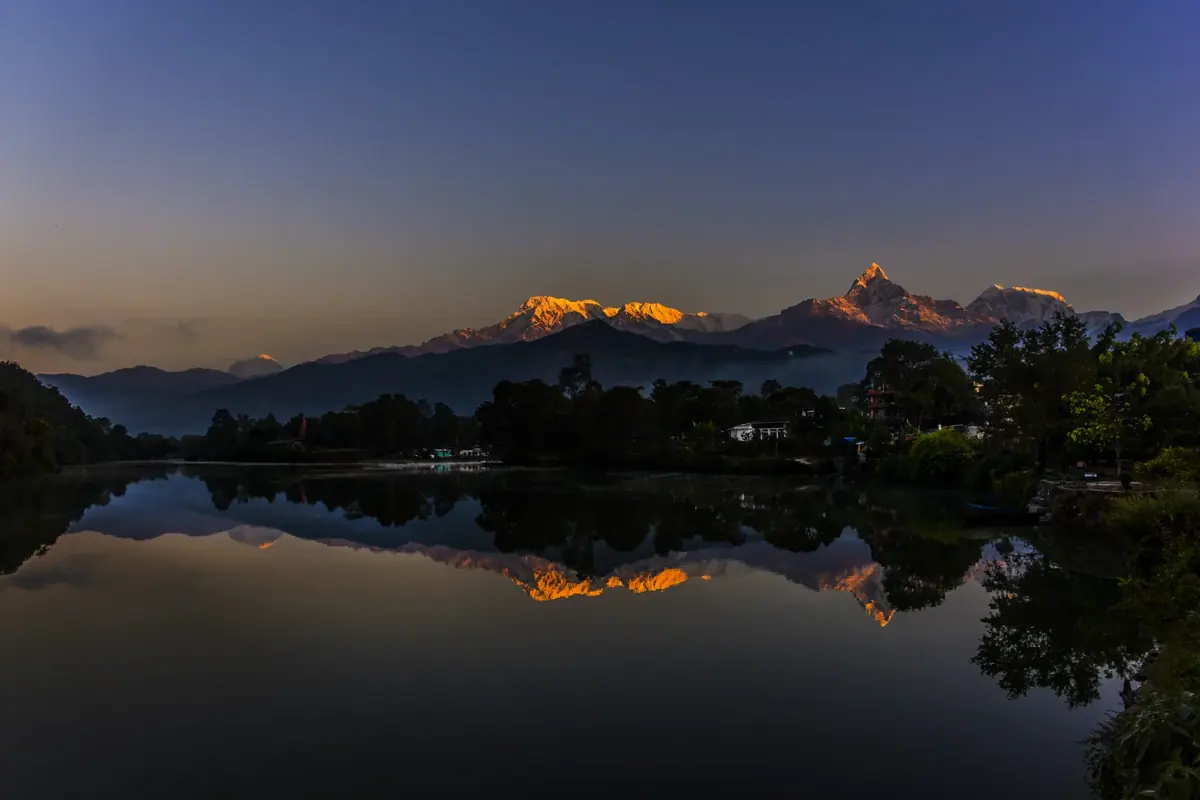
Combine them when the calendar contains genuine visiting time in each and a sensible return connection. Read the overnight sequence and identify the transfer days before agreeing to the duration. Two nights in a city generally mean something different from two full days of sightseeing; arrival and departure timing still matter.
If you also want Chitwan, Lumbini or a mountain pilgrimage, start again with the complete route rather than attaching extra names to a finished plan. Ask for a longer alternative alongside the compact version and compare the additional time, service scope and total cost.