
Everything worth knowing
Three decisions before you book
| Decision | Settle this first | Why it matters |
|---|---|---|
| Route | Start, finish and night-by-night stops | Shows usable visiting time |
| People | Adults, child ages and rooming | Determines the real service requirement |
| Scope | Inclusions, exclusions and payment terms | Makes the final price understandable |
The starting point changes the shape of the holiday
A Kathmandu airport pickup and a Gorakhpur railway pickup lead to different first days. Flying into Kathmandu puts the capital at the start; approaching through the western border can introduce Lumbini and Pokhara earlier. Do not ask one itinerary to describe both without changing the route.
For travellers from Mumbai, Chennai or Kerala, the journey to Gorakhpur may require substantial time. For Lucknow or nearby origins, the road gateway can be more convenient. Neither statement proves which is cheapest for your date. Compare actual transport options and the usable Nepal nights for the whole party.
Write two budgets with the same finish point
Budget A should include the flight-led land programme, international ticket, airport transfers and any connection night. Budget B should include the Gorakhpur land fare, rail or flight access, station transfers and buffers. Add the same meal and activity preferences to both. Only then does the difference become meaningful.
Do not compare a private twin-sharing Kathmandu package with a triple-sharing group seat and describe the gap as a discount. They divide vehicle and room costs differently. A group also has a shared timetable; a private route can be adjusted before confirmation. Choose the commercial format that suits the travellers.
Returning home deserves its own planning decision
A long final road day cannot guarantee an exact station arrival. Similarly, a domestic flight or mountain road return should not be treated as an assured connection to an international flight. Keep the final booked night and onward ticket on the same planning sheet.
Ask who pays for an extra hotel night or alternative transfer if a separately booked connection changes. A lower fare with strict change conditions may be a poor match for a weather-sensitive route. Flexibility has value even when it is not visible in the package headline.
Best time to visit Nepal: choose for the journey, not just the weather
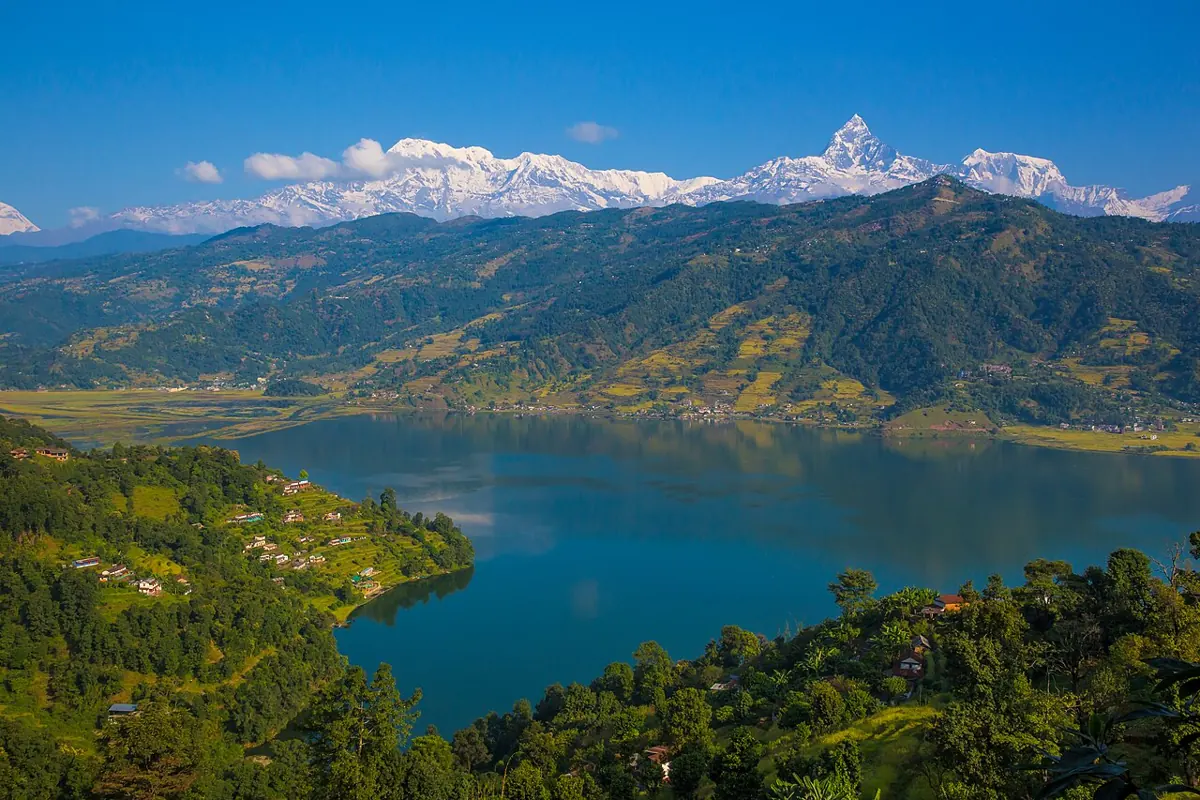
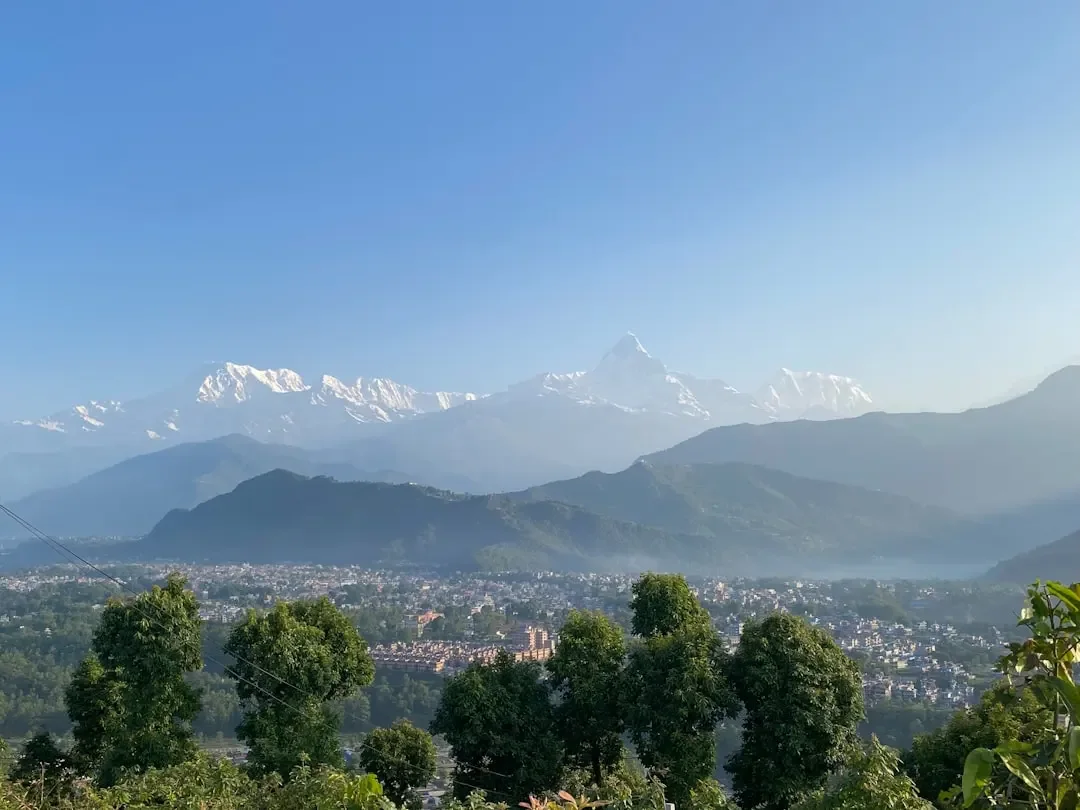
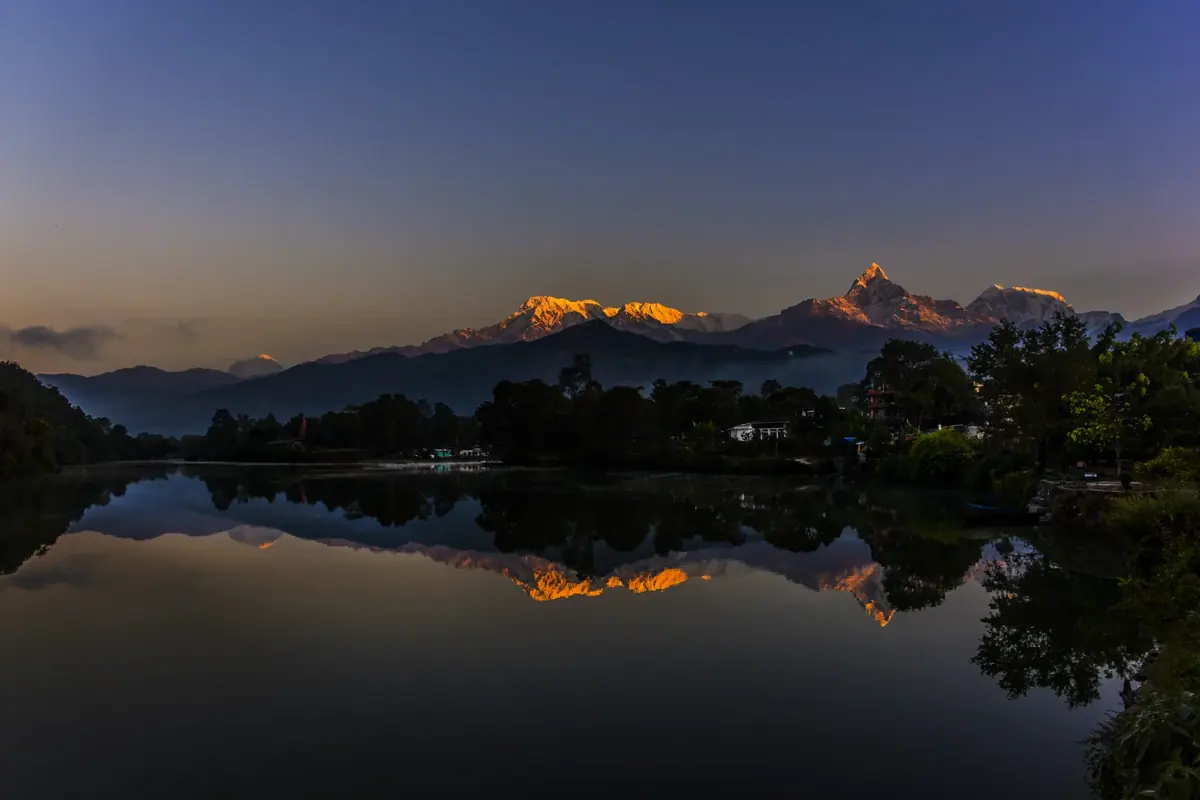
For a first road holiday, autumn and spring are practical starting points for the discussion. Autumn can offer clearer mountain views after the rains; spring brings warmer days and a different feel in the hills. Neither season guarantees a visible Annapurna range on the morning you visit Pokhara. Build the holiday around places you will enjoy even when the peaks are hidden: lakeside walks, heritage, food, temples and time together. A sunrise outing is a weather-dependent addition, not the only reason for staying in a city.
Winter can suit a lower-altitude Kathmandu, Pokhara and Lumbini circuit if you are comfortable with cool mornings and evenings. Ask about room heating rather than assuming a standard hotel supplies it. Chitwan and the Terai have a different climate from mountain villages. A warm afternoon in one place says little about the next overnight stop. Monsoon travel needs more flexibility around road disruption, wet paths and visibility. For mountain routes, request a route-specific assessment instead of using a city-holiday calendar.
Dashain, Tihar and other festival periods may change staffing, traffic, opening arrangements and room availability. The attraction of seeing a celebration must be balanced against transport and crowd management. Before paying, ask which date-sensitive visits are actually planned and whether the hotels have been checked. If your dates are fixed by school holidays or leave approval, begin with a robust itinerary for that period rather than a promise of ideal weather.
Where to go: Kathmandu, Pokhara, Chitwan and Lumbini do different jobs
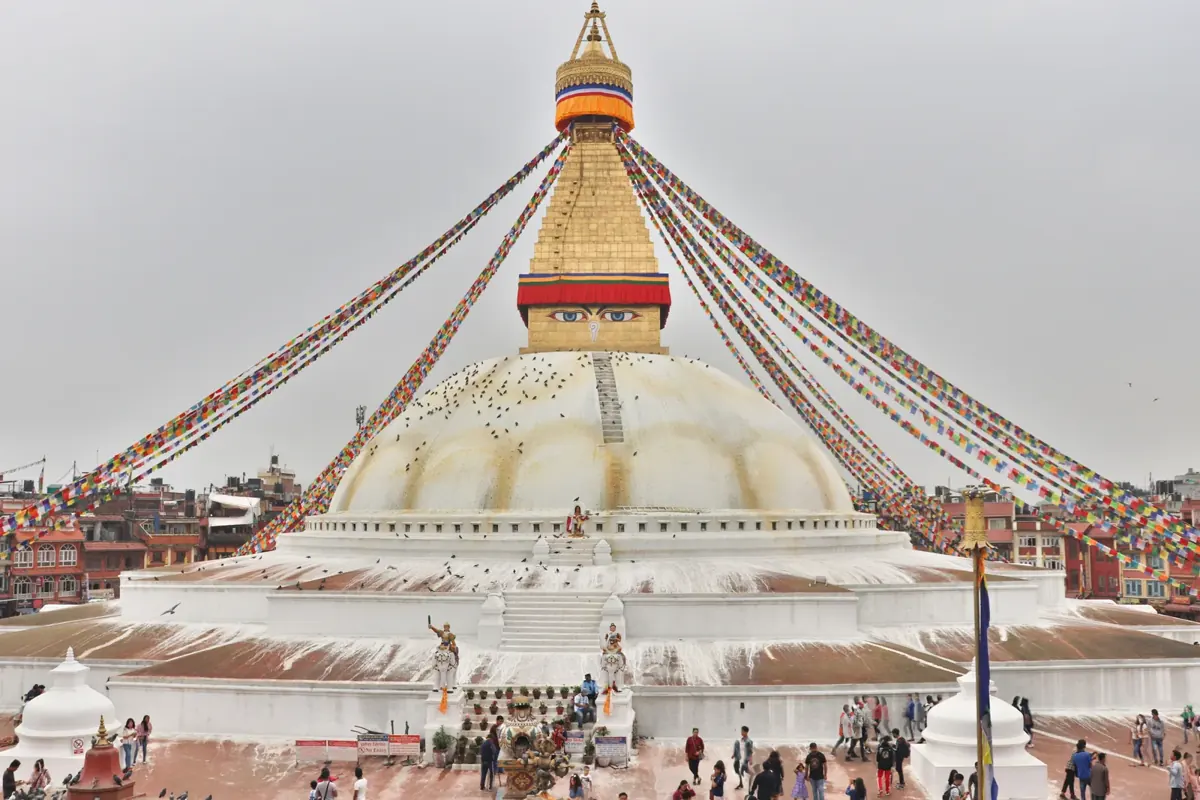
Kathmandu is the strongest starting point for a flight-led heritage and temple holiday. Pashupatinath, Boudhanath, Swayambhunath and the historic squares belong to different parts of the valley, so divide them sensibly. Driving between sites, finding parking, walking and waiting for access all use time. A four-day Kathmandu stay can be more satisfying than a four-day attempt to reach both Kathmandu and Pokhara. Confirm religious entry restrictions separately from access to surrounding public areas.
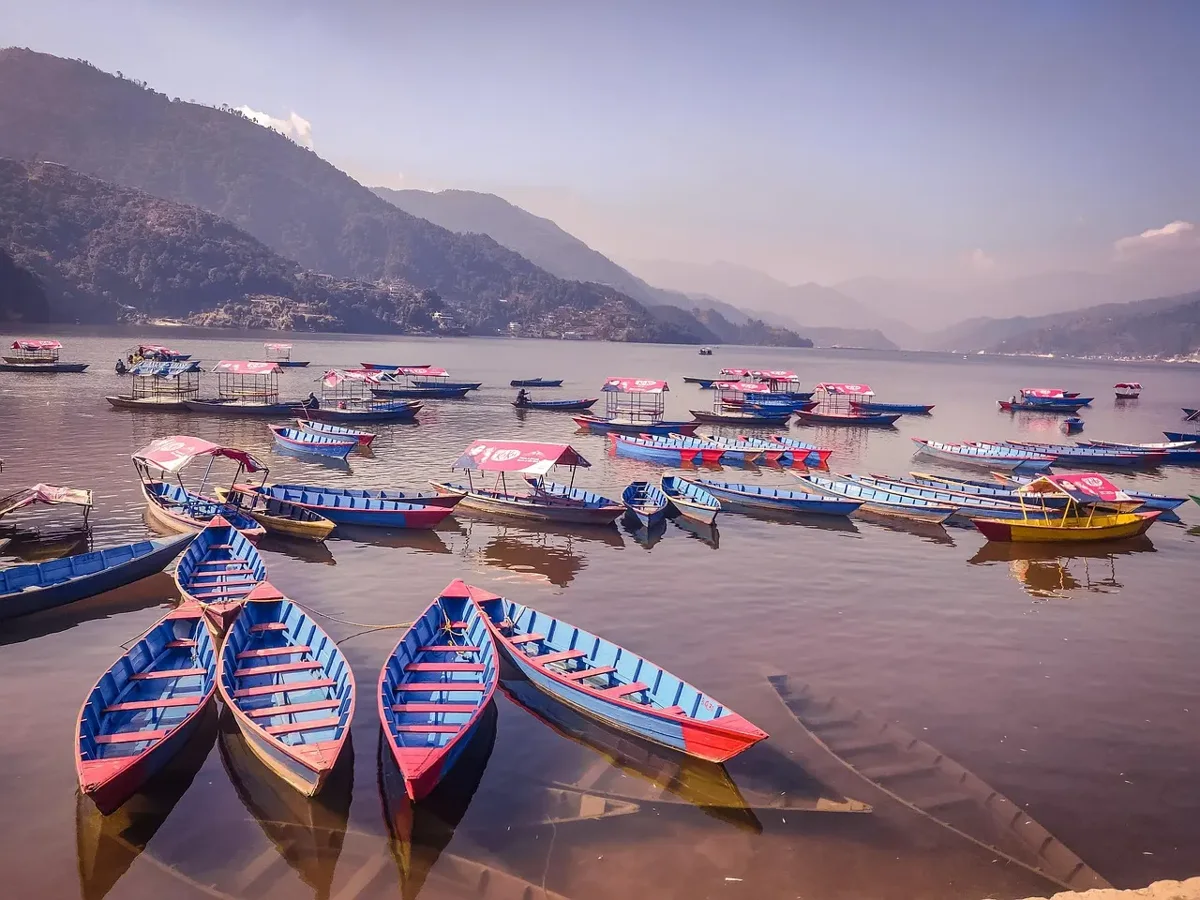
Pokhara gives a holiday breathing space. Phewa Lake and Lakeside can work around scheduled visits to Devi’s Fall, Gupteshwor Cave or a viewpoint. Sarangkot is primarily a mountain-view outing; Pumdikot is a separate hilltop religious visit. They are not interchangeable names for the same stop. Chitwan is for travellers who want to allocate time to a chosen nature activity. One hotel night on a road circuit does not automatically provide a safari. Ask which activity, park sector, guide, permits and transfer are included.
Lumbini is a Buddhist pilgrimage destination rather than a quick scenic photo stop. Decide whether the Sacred Garden is the main purpose or whether the wider monastery area deserves an overnight stay. Janakpur is in a different part of Nepal and suits a separate Mithila-focused route. Muktinath and Ghandruk involve mountain access and different practical demands. Adding all three to a standard Kathmandu–Pokhara circuit changes the duration, vehicle requirements and budget substantially.
How many days are enough? Four, six, eight or ten days
Count the nights available inside Nepal before counting attractions. Four days with Kathmandu arrival and departure can support a focused valley stay. Four days beginning in Gorakhpur include long road movements, so the sightseeing window is much smaller. Five days can work for a Lumbini–Pokhara route that deliberately leaves Kathmandu out. Six days is the published Gorakhpur group format, with substantial transfer days alongside the two principal city sightseeing days.
Eight days gives more room to choose what the extra nights are for: a Chitwan activity, a dedicated Lumbini visit or a slower Pokhara stay. Ten days can separate major transfers and provide time for a carefully selected extension. Extra days should reduce pressure or deepen the experience; they need not add another city every night. If grandparents or young children are travelling, an extra hotel night can improve the trip more than upgrading the vehicle while keeping a rushed route.
Ask to see both the day-wise plan and the overnight table. A transfer day described with several sightseeing names can look full on paper but leave little usable visiting time. Mark your arrival and final departure on the same calendar. If either depends on another operator’s flight or train, leave a buffer and establish who is responsible when the connection changes.
What to do—and what to leave optional
Begin with a small number of priorities. A pilgrimage family may value time at Pashupatinath more than another viewpoint; a couple may prefer an unhurried afternoon around Phewa Lake. Tell the desk what would disappoint you most to miss. The itinerary can then protect that visit and place less important options around it. Do not prepay several weather-dependent activities on the same day without checking their cancellation conditions.
Boating, cable cars, adventure sports, local shuttles and park activities need an explicit service description. The operator, timing, equipment, permissions and price matter more than an attractive photograph. A guided nature walk is not the same product as a jeep safari. Ask whether tickets are included or merely assistance is offered. For strenuous or high-altitude activities, discuss suitability and insurance with qualified professionals; a sightseeing package is not medical clearance.
Avoid turning every free hour into a paid excursion. Check-in, meals, laundry, currency arrangements and rest are part of a workable holiday. Keep one flexible slot for weather or a delayed road journey. On the last day, the priority is reaching the agreed finish safely and with useful connection time, not squeezing in a final distant attraction.
Quieter alternatives: Begnas Lake, Patan, village time and focused extensions
Less crowded does not mean undiscovered. Begnas Lake can be considered instead of another busy Lakeside outing when you want a quieter lake setting near Pokhara. Patan deserves its own heritage time rather than being treated as an interchangeable Kathmandu stop. Ask whether the extra travel and entrance arrangements fit the day. A lesser-known place is worthwhile when it matches your interests, not simply because it is absent from a popular checklist.
Ghandruk is a mountain village experience with Gurung cultural context, stone paths and surrounding views. It should be planned with the current road endpoint, walking distance and accommodation limitations in mind. A village visit is different from trekking to Annapurna Base Camp. For a short holiday, choose either a focused village extension or a long city circuit; doing both under the same tight deadline usually shifts too much of the holiday into transport.
In the Kathmandu Valley, a craft, food or guided heritage visit can add depth without requiring another overnight city. In Lumbini, more time in the monastery zone can be more meaningful than adding an unrelated stop. Describe the experience you want—architecture, faith, food, nature or village life—and ask the desk to explain why the proposed extension belongs in your particular route.
Food, culture and everyday etiquette
Ask permission before photographing people, ceremonies or private spaces. Religious sites may restrict footwear, clothing, photography and access; follow the instructions at the site even if an old travel video shows something different. Pashupatinath’s main temple access is restricted, so a foreign visitor’s programme must be explained honestly. Respectful access to surrounding areas is not a promise of entry into every shrine.
Food arrangements need the same precision as transport. Vegetarian, Jain, vegan and allergy-related requests are different requirements. State them before hotel selection and ask what can realistically be confirmed. A breakfast inclusion does not guarantee a particular regional cuisine, and a remote lodge menu is not the same as a city restaurant menu. Keep time for meals on transfer days rather than assuming food stops happen without affecting the schedule.
Use local businesses thoughtfully, avoid disturbing wildlife and do not request unsafe approaches for a photograph. In villages and sacred places, keep noise considerate and follow local waste arrangements. A good guide can help explain etiquette and context, but their language, days of service and fees must appear in the quotation if a dedicated guide is important to you.
Package cost: separate the holiday from the cost of reaching it
The useful total is the amount your party expects to spend from home and back. Add the Nepal land package, your journey to its start, any buffer nights, excluded meals, attraction tickets and chosen activities. Keep a contingency for changes. A low per-person figure based on six adults sharing a vehicle cannot be compared directly with a private couple’s price. Check whether the displayed currency is INR, NPR or USD before comparing numbers.
Hotel category alone does not describe a room. Check occupancy, bedding, bathroom, heating or cooling, location and meal basis. Triple sharing may involve an extra bed or mattress. Single rooms can change a group budget materially. The vehicle quote should state passenger and luggage suitability, route coverage, waiting and any local vehicle change. Ask for taxes and mandatory fees in the total rather than treating the headline as the final amount.
The announced group has a published room-sharing fare. Other displayed private budgets are planning estimates and require a dated quotation. Airline fares and train availability are separate live purchases unless expressly included. When comparing another operator, place the two inclusion lists side by side before deciding that the lower number buys the same holiday.
Booking, payments, amendments and cancellation
Send the travel dates, adult count, child ages, room arrangement, arrival details and must-see places in one enquiry. The next step should be a written route, price and service scope. Confirm hotel selection basis, transport, meals, tickets, guiding and what remains optional. Do not send passport numbers through a general website form; use the secure document process agreed for the actual booking.
The published Nepal group requires 50% advance, with the balance due on departure day before leaving. Private tours and treks follow the payment milestones in their individual quotation. Airline tickets, permits and supplier deposits may have different commitments. Pay only to the confirmed business payment instructions and retain the receipt and booking acknowledgement. A WhatsApp enquiry alone does not reserve a seat.
Read the cancellation schedule before paying, including whether the charge is calculated on the full package or the advance. Ask how separately purchased flights, permits, single rooms and last-minute changes are treated. Request cancellation or amendments in writing and keep acknowledgement. Weather or road disruption may require a revised plan; discuss the extra-night and alternative-transport policy before departure rather than when an unexpected cost arises.
Sources & official guidance
Planning references. Recheck document and operating rules for your travel date.