
Everything worth knowing
Three decisions before you book
| Decision | Settle this first | Why it matters |
|---|---|---|
| Route | Start, finish and night-by-night stops | Shows usable visiting time |
| People | Adults, child ages and rooming | Determines the real service requirement |
| Scope | Inclusions, exclusions and payment terms | Makes the final price understandable |
Start with the nights, then choose the stops
A Nepal road trip from Gorakhpur becomes easier to judge when you count usable nights rather than attractions. Chitwan, Pokhara and Kathmandu offer different experiences, but each move takes part of a day. Five nights across three destinations creates a touring holiday with regular packing and transfers. It does not provide five full sightseeing days.
Write the overnight sequence before choosing optional activities. One night in Chitwan, two in Pokhara and two in Kathmandu gives each stop a clear role: a lowland introduction, a lakeside stay and a city heritage visit. Lumbini can be a focused stop on the outward journey when conditions allow. Travellers wanting extensive monastery visits or a full wildlife programme should allow more time rather than enlarge the same short itinerary.
Reach Gorakhpur with room to spare
Gorakhpur is the joining point, so your holiday planning starts before the tour vehicle leaves. Compare the train or flight arrival with the actual reporting time and pickup location. A railway arrival, an airport arrival and a hotel pickup are different arrangements. Do not assume that a tour starting in Gorakhpur includes transfers from every arrival point.
If your incoming journey has little margin, consider an earlier arrival and an overnight stay. That also gives time to eat, reorganise luggage and begin the road journey rested. Keep the driver's contact and meeting instructions accessible without mobile data. For the return, choose onward connections only after understanding the expected drop arrangements and the possibility of a delayed road journey. A border crossing should never be treated as an exact railway timetable.
Carry documents that match your journey
For Indian citizens, the Embassy of India's air-travel guidance specifies a valid Indian passport or original Election Commission voter identity card with photograph. It says downloaded voter ID copies, Aadhaar, PAN and driving licences are not accepted as air-travel documents. For a road itinerary, use the Embassy's general consular advisory and obtain guidance for your particular traveller category before departure.
Do not build a plan around a social-media claim that any identity card will do. Children, travellers without standard documents and people of other nationalities need individual attention. Keep originals accessible and copies separately stored. The person collecting the group list should explain why information is needed and how it will be used. Visa-free arrangements for Indian citizens should never become a universal claim for every international passenger.
Understand what happens at the border
Passenger documentation and vehicle formalities are separate matters. The Embassy of India explains that an Indian-registered vehicle staying overnight or travelling beyond the nearest Nepalese municipal area needs the appropriate customs pass. A day pass for a short border-town visit does not cover a multi-day holiday. The driver or operator should organise the correct arrangement for the vehicle and intended stay.
Travellers can make the crossing easier by keeping documents together, following the agreed meeting instructions and avoiding unnecessary separation from the group. Food, drinking water and essential medicines should remain in a small accessible bag. Treat the crossing as a travel stage with its own uncertainty. A customs pass also does not establish unrestricted access to every local road or sightseeing point; those arrangements depend on the actual route and vehicle.
Give Lumbini a realistic place on the first day
Lumbini's importance comes from its association with the Buddha's birthplace. The Maya Devi sacred area and Ashoka pillar provide a focused introduction, while the wider monastic landscape deserves considerably more attention than a passing stop. Decide which kind of visit you want before committing to an onward overnight destination.
When the first night is in Chitwan, Lumbini should remain a limited visit shaped by the day's progress. Border formalities and the onward road journey still need space. A late arrival in Nepal may require a shorter stop or an adjusted sequence. For travellers whose main interest is Buddhist pilgrimage, a separate Lumbini stay can be more satisfying than trying to absorb the whole site between long transfers. Discuss this priority when comparing private itineraries.
Choose Chitwan for the experience you will actually have
Chitwan introduces a different landscape from the lake and mountain imagery often used to advertise Nepal. A stay near Sauraha can offer a quieter evening and access to wildlife activities, but a hotel night is not the same thing as a safari package. A short visit should be described honestly through the activities and time it contains.
Separate accommodation from park entry, jeep outings, canoe activities, guiding and cultural performances when reading a quotation. Ask where an activity takes place and how it fits the onward departure. Wildlife sightings are never guaranteed. If a safari is the main reason for coming, leave it a proper activity window rather than attaching it casually to a morning already carrying breakfast, checkout and a long transfer to Pokhara.
Know the tradeoff of one night in Chitwan
With one night, the arrival evening and following morning are the available opportunities. A simple walk or time around the accommodation may suit the first evening better than several fixed-time bookings. The following morning can accommodate a selected activity only if its timing fits the onward route and the group understands the effect on arrival elsewhere.
A second night gives more flexibility, but it changes the whole trip's length or removes time from another destination. That is a worthwhile choice for wildlife-focused travellers; it may be less useful for someone whose priorities are Pashupatinath and Pokhara. Choose from the group's interests instead of treating all three destinations as mandatory. Follow local guidance around wildlife and rivers, and do not approach animals to obtain a photograph.
Keep Pokhara's lake time separate from sightseeing
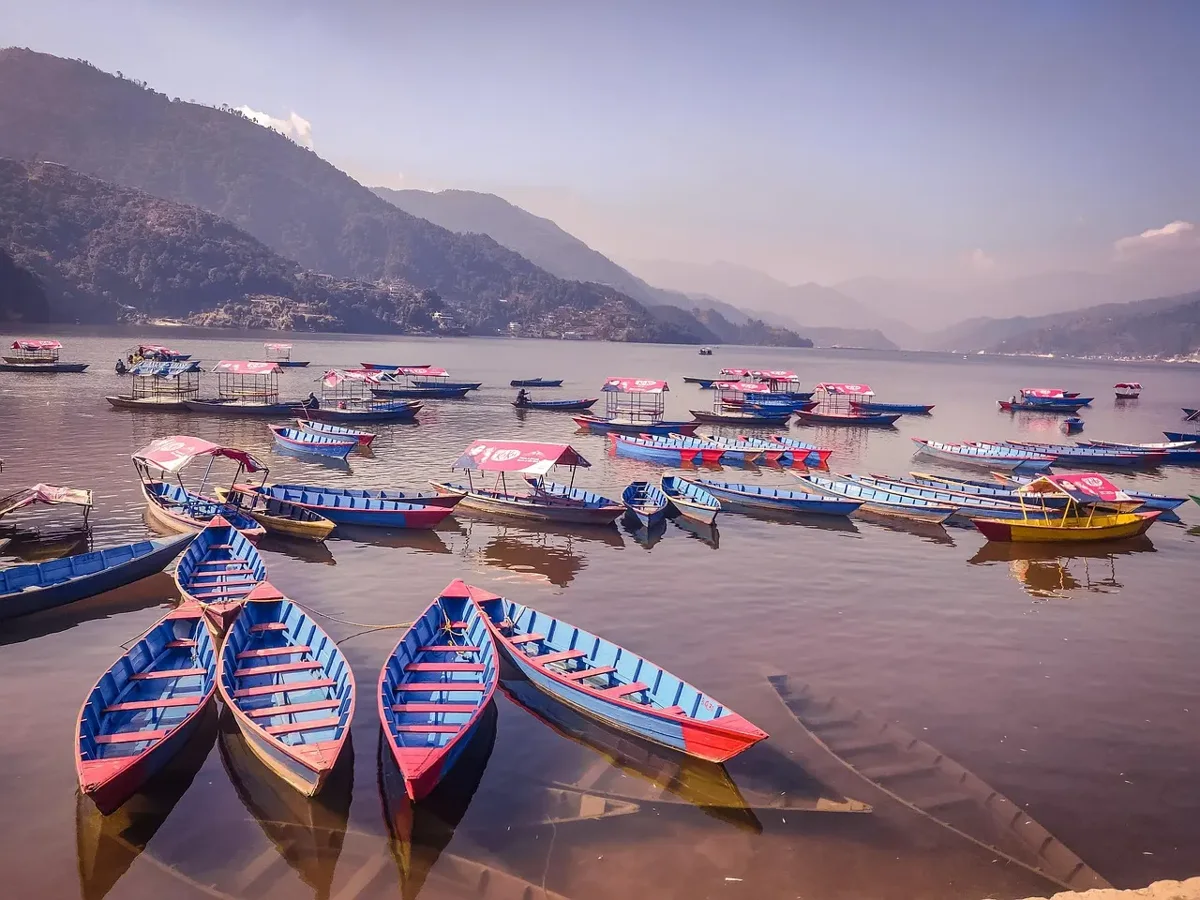
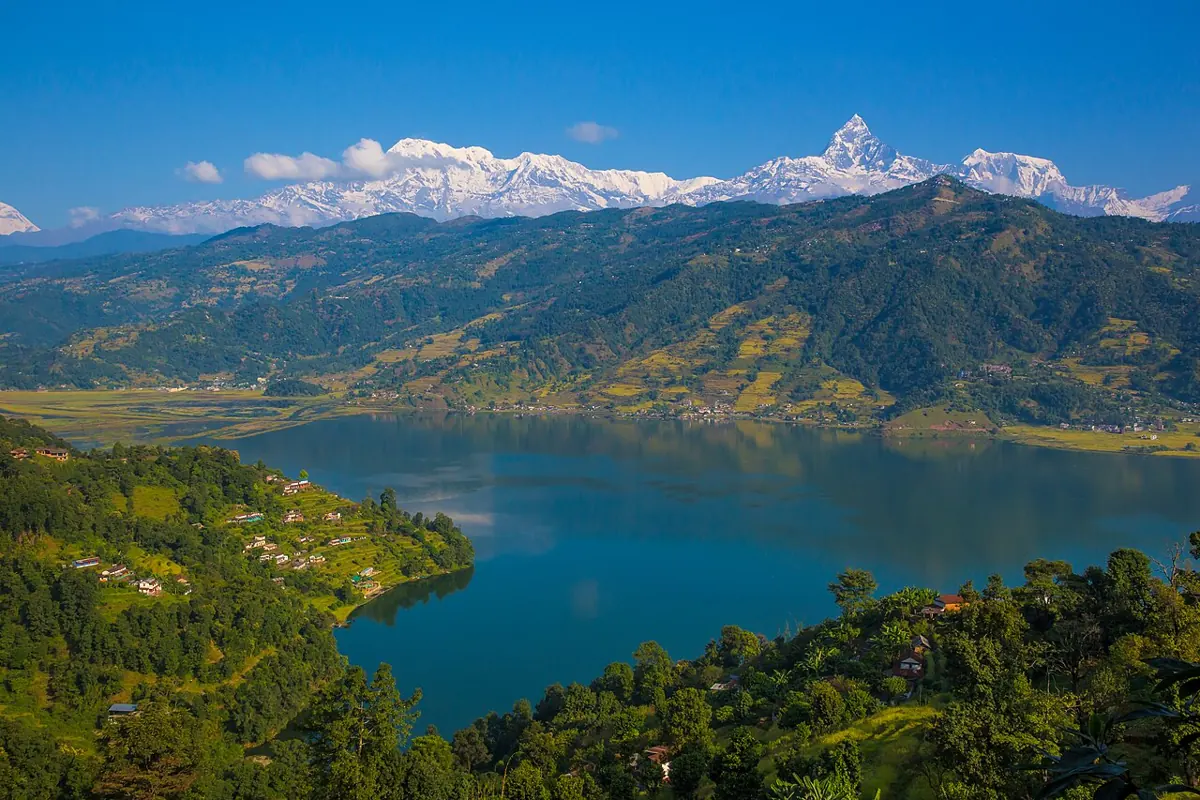
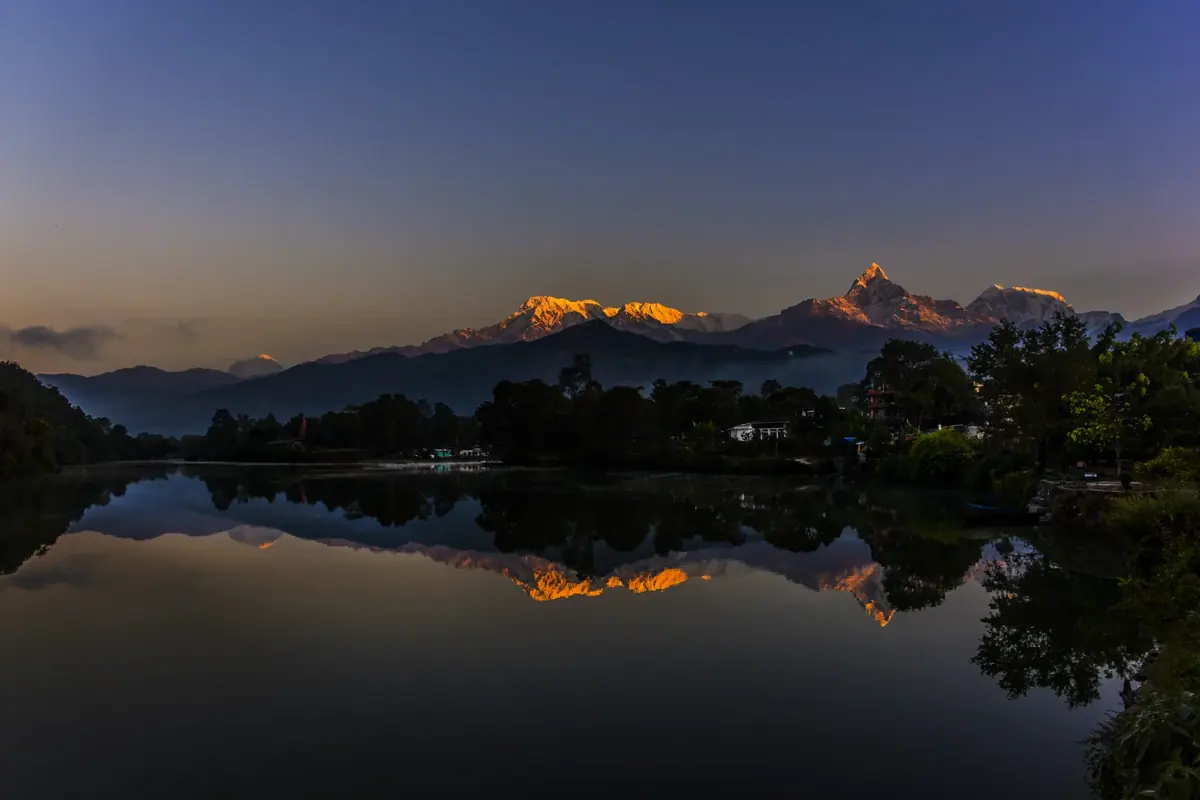
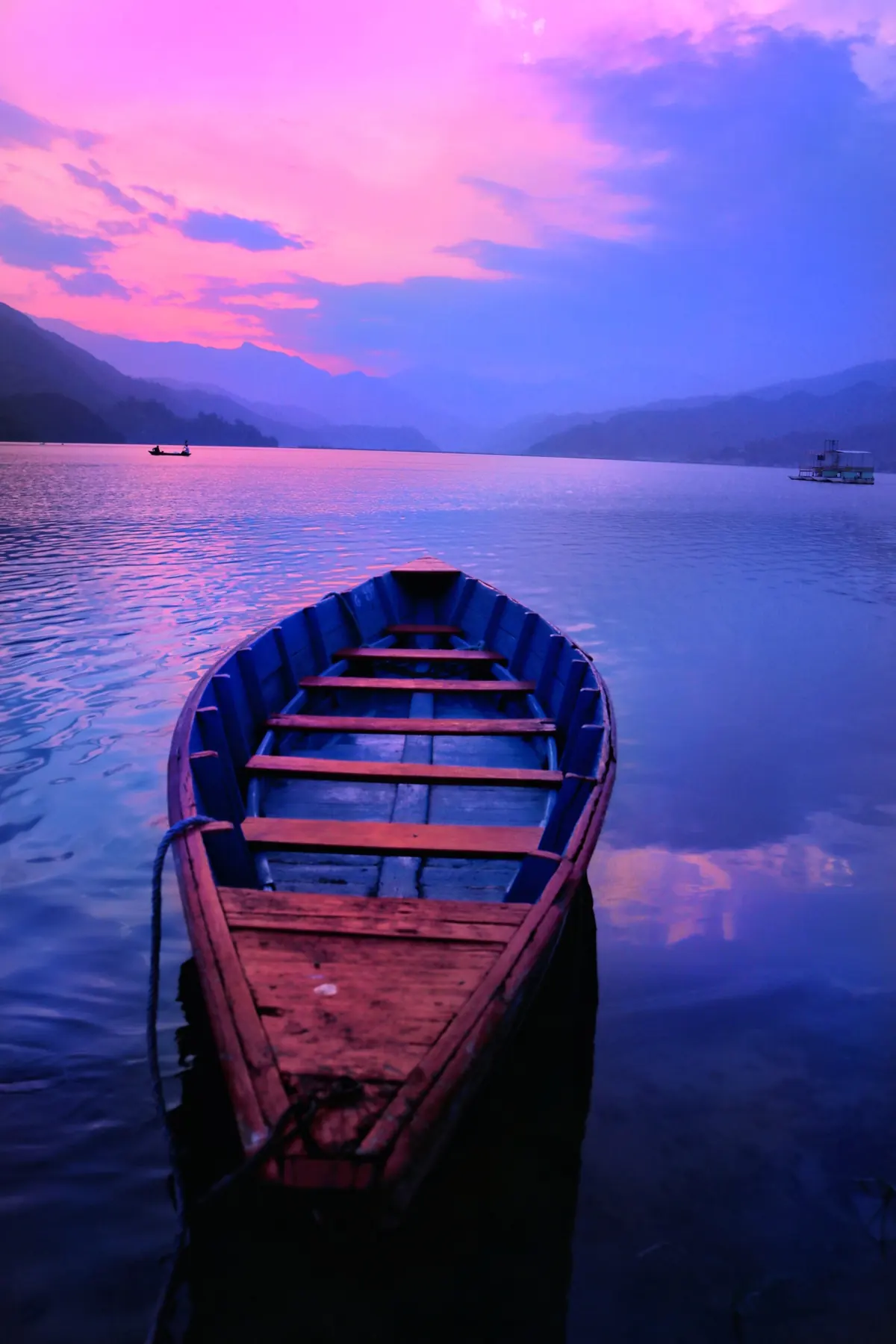
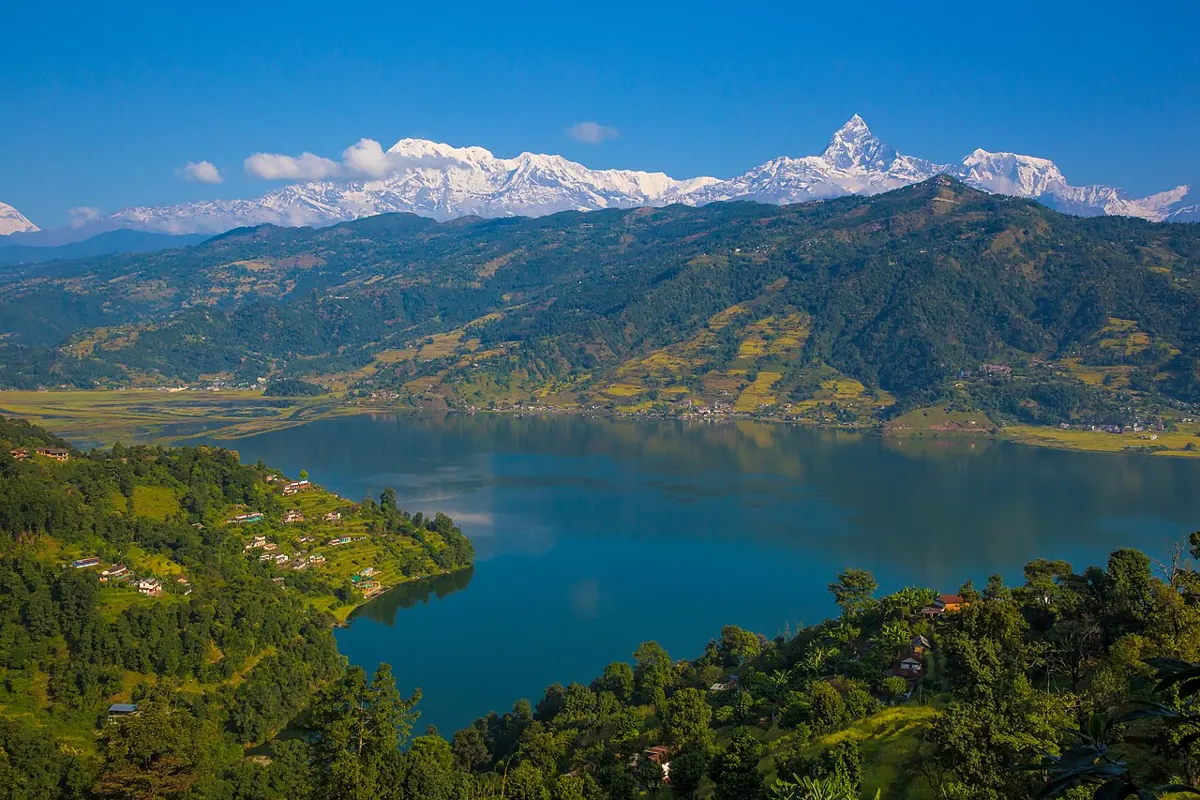
Pokhara works well when the schedule leaves time to enjoy being there. An evening near Phewa Lake can be valuable without a long checklist. Boating, a Tal Barahi visit and optional outdoor activities involve their own arrangements and costs. A vehicle-based city tour does not automatically include everything shown in a destination photograph.
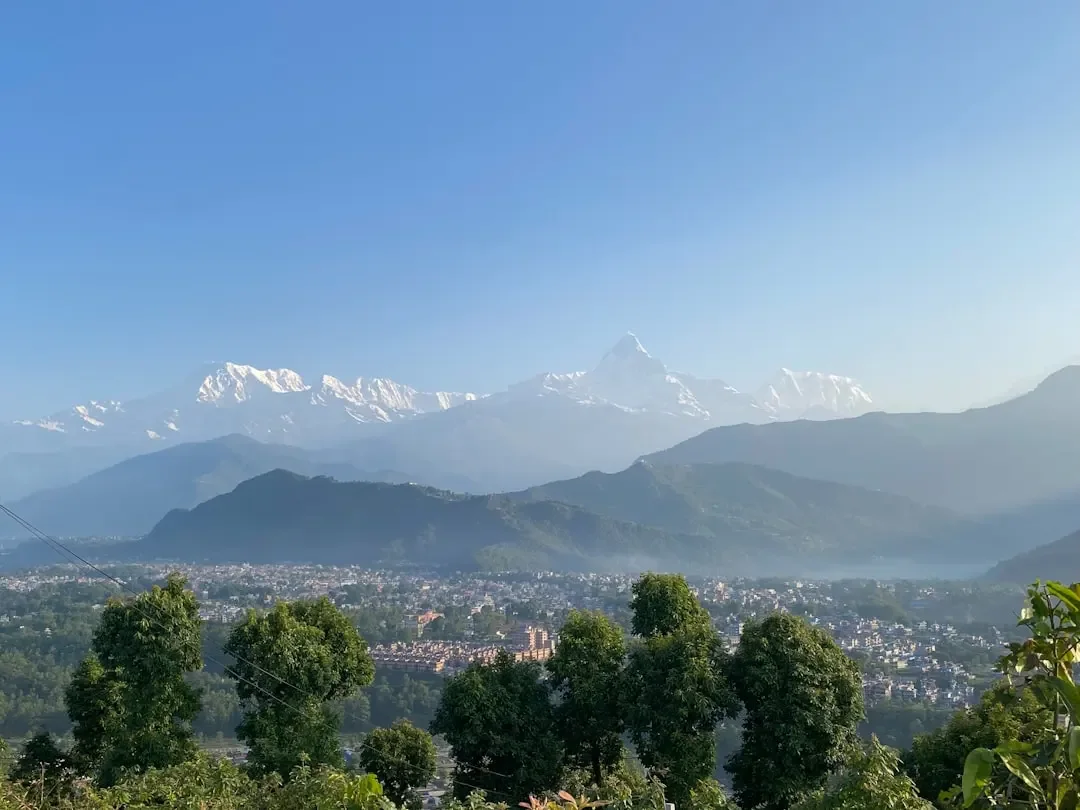
Two nights normally create one full day between arrival and departure, not two. Use that day deliberately. Some travellers want an early viewpoint outing; others prefer a slower morning and selected city sights. Mountain visibility depends on weather, so avoid treating a sunrise photograph as a promised result. Keep enough flexibility for a comfortable meal and a rest, especially if the previous day involved a substantial road transfer.
Ask the right questions about viewpoints and vehicles
A main tour vehicle and a local sightseeing vehicle may have different roles. Roads, parking and local access arrangements can affect hillside visits. Before treating Sarangkot, Pumdikot or another viewpoint as included, establish the actual transport, any extra charge and the walking involved. A photograph of a large vehicle beside a landmark does not demonstrate access for your departure.
The same principle applies to distant additions. Muktinath is a separate mountain pilgrimage, not an ordinary extension of a Pokhara city day. Nagarkot introduces another journey beyond central Kathmandu sightseeing. Select an activity because it fits the available time and the travellers' interests. A shorter list delivered comfortably is often more useful than a package headline containing every recognisable Nepal attraction.
Reserve a proper day for Kathmandu
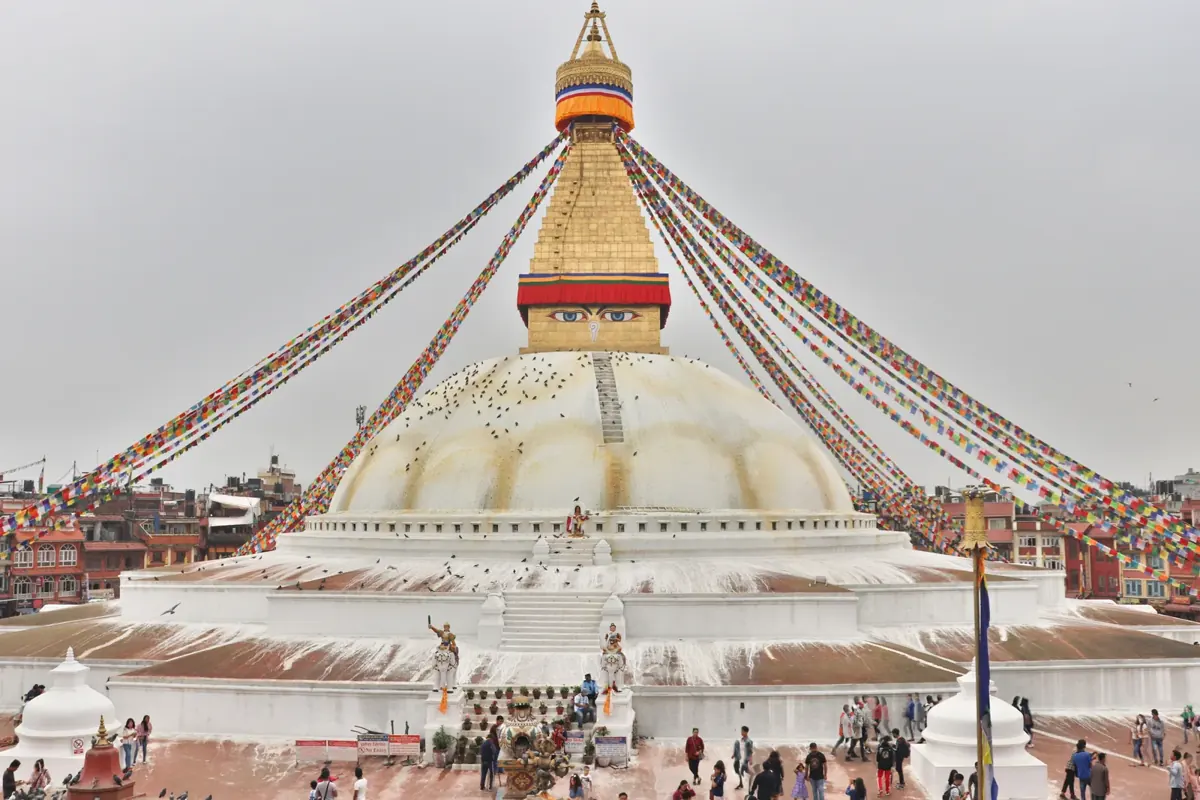
Kathmandu's heritage and religious sites are separate visits connected by city travel. Pashupatinath, Boudhanath, Swayambhunath and a heritage square cannot be understood as one convenient stop. Begin with the place that matters most to your group, then organise the remaining day around its location, access and likely walking demands.
Nepal Tourism Board states that the main Pashupatinath temple is restricted to Hindus and photography is prohibited inside. Other visitors can observe from across the Bagmati. Respect these limits when planning a mixed group or photography service. Pilgrims should have time for worship rather than being rushed through a picture stop. Shopping and an evening stroll can remain optional instead of becoming another compulsory activity after a full day.
Read room sharing and meals literally
Triple sharing describes how the advertised price is divided among occupants; it does not explain the bed layout. Ask whether the third place is a separate bed or an extra bedding arrangement, and consider luggage space and bathroom sharing. Double sharing changes both cost and comfort. Solo travellers should understand how roommates are allocated and what happens if the expected sharing arrangement is unavailable.
Meals need the same clarity. Five breakfasts and five dinners do not mean every meal from departure morning to return evening is included. Map included meals against the overnight stays, then budget for lunches and other gaps. Vegetarian choices, allergies and individual dietary restrictions are separate needs. Describe them early, but do not assume that every restaurant can provide every requested preparation.
Budget for choices beyond the package headline
Create a simple personal budget alongside the tour price. Include meals outside the stated plan, admission charges not listed as included, optional activities, shopping and any arrival or departure arrangements you organise yourself. The useful question is not whether a package claims to be all-inclusive, but whether its written list accounts for the experiences you intend to buy.
Carry a practical mix of payment options and obtain current guidance on currency rules before departure. Do not assume your usual domestic payment method will work everywhere. Record spending in a consistent currency when comparing alternatives. An expensive optional activity can change the overall holiday budget more than a small difference between two headline package prices. Make those choices before travel where possible, without feeling obliged to buy every available experience.
Use the day-by-day plan as a decision tool
Read each day as a sequence of actions: leave the hotel, load luggage, travel, stop, visit, eat and check in. If the outline contains only destination names, it hides the decisions that shape your comfort. Mark the activities that matter most and identify anything you would happily skip. A family that mainly wants lake time can then compare a simpler Pokhara stay against the three-city circuit.
Keep a distinction between a planned stop and a guaranteed service. Weather can hide mountains, traffic can change the visiting order and a late start can reduce free time. The written itinerary should explain how changes are handled, while the booking terms explain any financial consequences. Save the final version on your phone so that every traveller sees the same agreed arrangement rather than an older promotional image.
Make the enquiry specific enough for a useful answer
Send the travel date, number of adults and children, arrival details, preferred room sharing and your main priorities together. Mention any essential accessibility or dietary requirement. If comparing prices, send the same request to each operator; otherwise one may quote transport only while another includes accommodation and meals.
Before paying, read the final inclusions, exclusions, room basis, pickup instructions and cancellation terms together. Keep the quotation and payment record. A clear enquiry helps turn a broad interest in Nepal into a trip whose schedule, comfort and total cost you understand.
Pack for repeated moves and an unhurried return
Keep the main suitcase manageable and use a day bag for documents, water, regular medicines and a light layer. Repeated hotel changes are easier when essentials do not require unpacking everything. Comfortable footwear matters for temple approaches and city walking. Discuss motion discomfort or other individual needs with an appropriate professional before the trip rather than waiting until a difficult journey begins. Label your luggage clearly and keep the overnight essentials separate from items needed only occasionally.
On the final day, departure routines, the road and the border all affect the return. Keep food and personal essentials accessible after checking out. Tell the operator about onward travel before booking it, and leave a sensible buffer instead of relying on an optimistic arrival estimate. The best road-trip plan is one you can enjoy at the pace it actually requires, from the Gorakhpur meeting point to the final drop.
Sources & official guidance
Planning references. Recheck document and operating rules for your travel date.
- Indian air travel: valid passport or original physical voter ID; downloaded voter ID/Aadhaar/PAN/driving licence not accepted. ↗
- General consular travel advisory points to valid passport or Election Commission ID; special-category checks advised. ↗
- Vehicle customs pass for overnight/beyond nearest municipal area; day pass restricted to border-town day visit. ↗
- Lumbini birthplace and archaeological core. ↗
- Chitwan destination and wildlife context; practical activity allocation is editorial advice. ↗
- Pokhara/Phewa destination context. ↗
- Kathmandu distinct heritage and temple attractions. ↗
- Main temple Hindu-only; photography prohibition and observation across Bagmati. ↗