
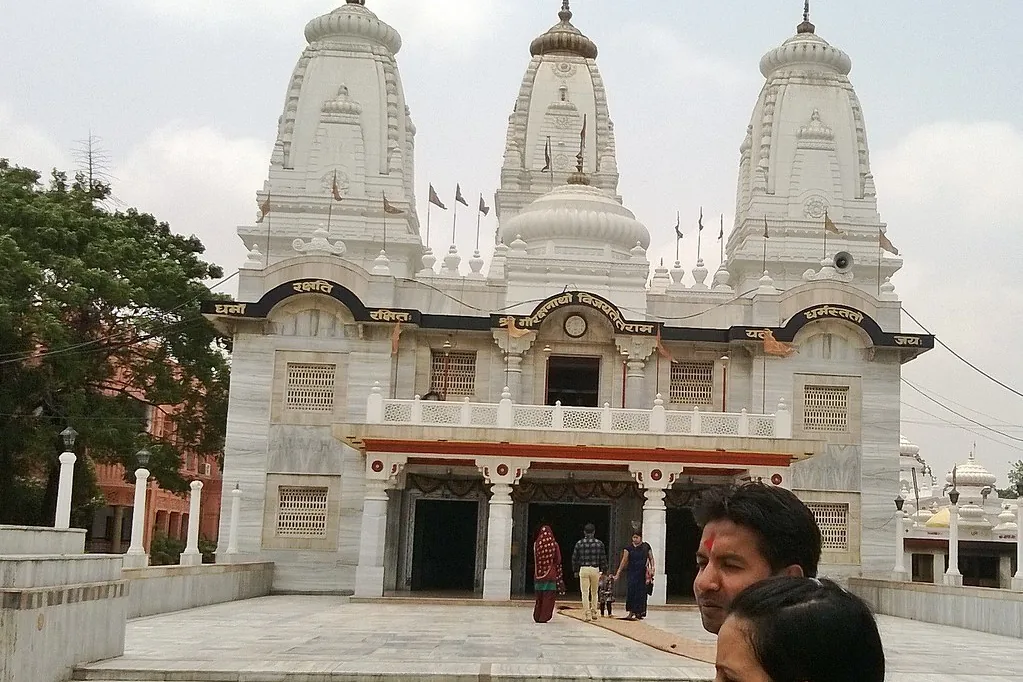
Everything worth knowing
Three decisions before you book
| Decision | Settle this first | Why it matters |
|---|---|---|
| Route | Start, finish and night-by-night stops | Shows usable visiting time |
| People | Adults, child ages and rooming | Determines the real service requirement |
| Scope | Inclusions, exclusions and payment terms | Makes the final price understandable |
Lumbini is a visit, not a free extra
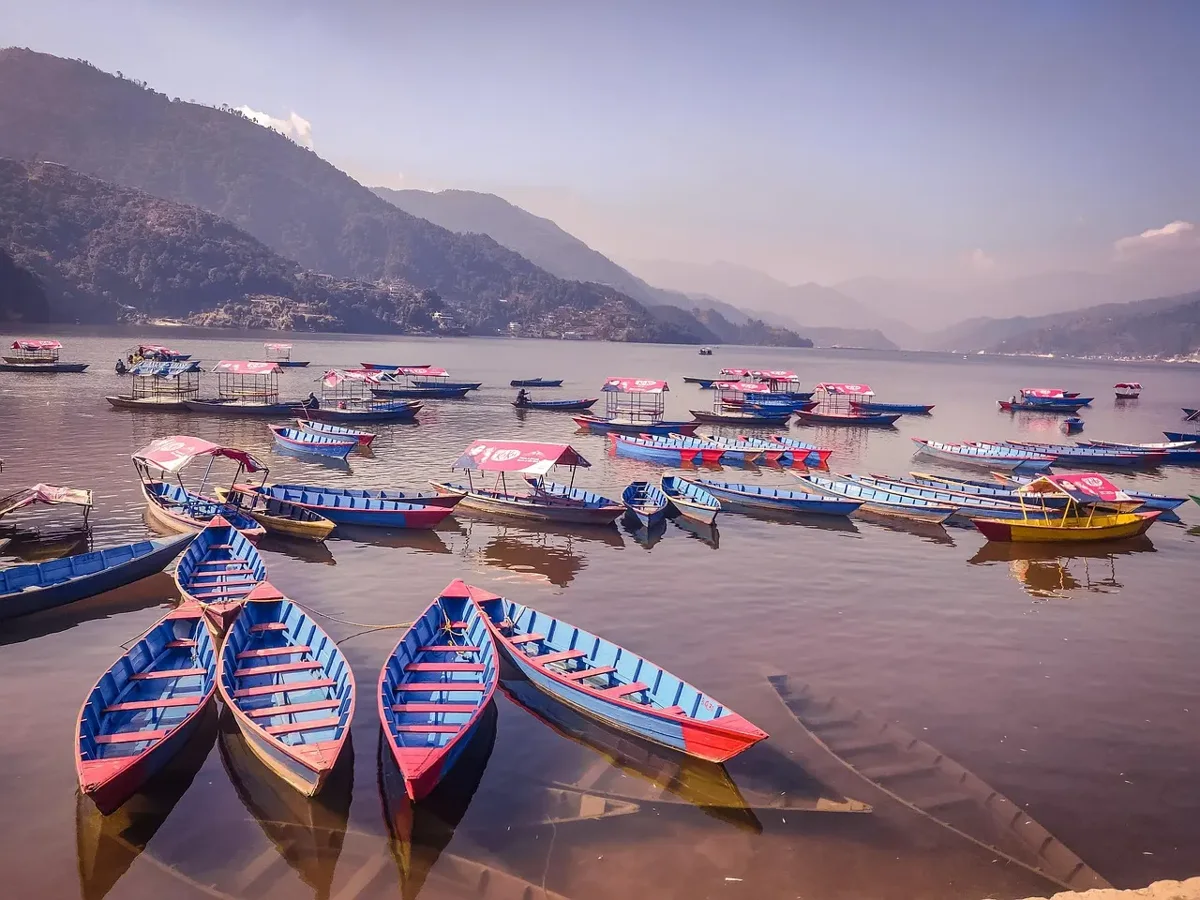
Lumbini lies in the border-region part of the journey, but a visit still takes time. Border processing, local movement and the Sacred Garden should all be allowed for. On a first day continuing to Chitwan, a focused visit is more workable than a complete monastery circuit.
Chitwan first or Pokhara first?
Our announced group visits Chitwan first, then stays two nights each in Pokhara and Kathmandu. That creates a clear overnight sequence, but the first day is still demanding. A private trip can instead focus on Pokhara and Kathmandu or add an extra Chitwan night for activities. Decide from available nights and interests rather than a universal “best route”.
Treat the main transfers as travel days
Roadworks, traffic, weather and breaks can make a map estimate optimistic. Do not schedule prepaid activities immediately after a long intercity transfer. The return from Kathmandu to Gorakhpur needs a generous buffer before onward travel.
Extensions change the trip
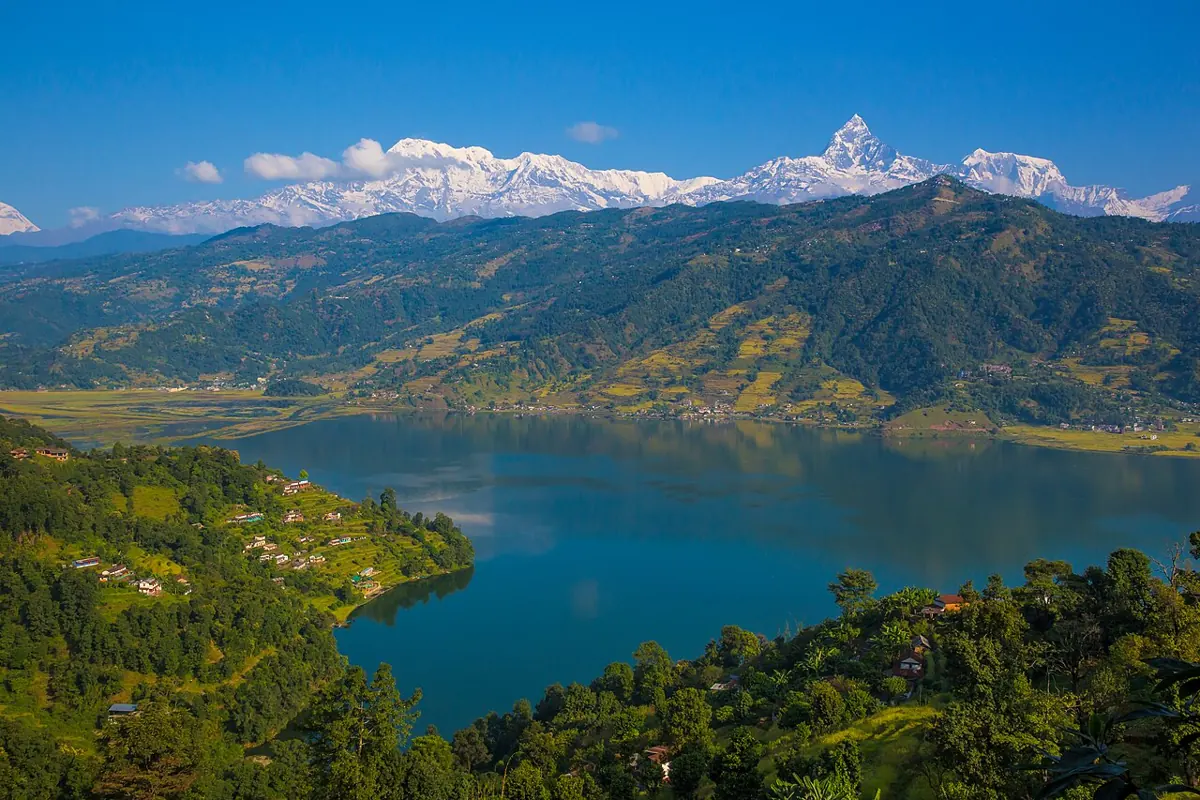
Muktinath adds mountain travel beyond Pokhara. Janakpur moves the itinerary east. Neither fits naturally into every six-day western/central route. If an extension is the main reason for travelling, begin the itinerary with that priority and remove lower-priority stops.
Plan the border day as a sequence
Think in stages: reach the meeting point, drive to the border, complete the required checks, arrange any vehicle handover, then continue to the first overnight. Keep documents and immediate essentials accessible rather than under the main luggage.
Your first visit must fit that sequence. Ask what is removed or moved if the crossing takes longer than planned. A realistic proposal explains the priority stop and where the group eats and rests; it should not depend on every step taking the shortest possible time.
Match your return connection to the route
A return from Kathmandu has different implications from a return starting near the border. Ask for the actual final morning location, planned departure and final drop before selecting a train or flight. A stated tour-end date is not an assurance of a particular arrival hour.
If your onward ticket is difficult to change, include a Gorakhpur night in the planning discussion. Compare the cost and inconvenience of that night with a missed connection, and keep separately booked services visible in the itinerary.
Read the itinerary in overnights before reading the sightseeing list
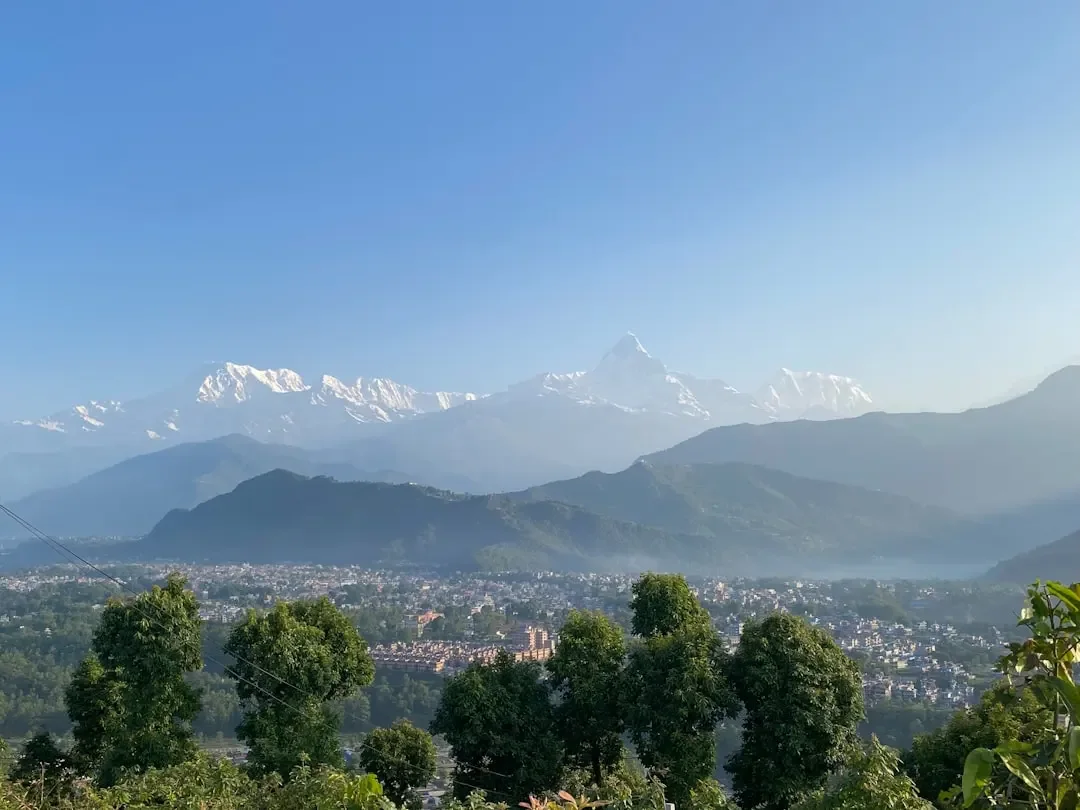
Write one line for every night: where you sleep, where you leave from the following morning and whether that day is mainly travel. This quickly reveals the difference between a route with two Pokhara nights and a route that merely passes through the city. A sightseeing name on a transfer day does not create the same opportunity as a full day based nearby.
The announced six-day group uses Chitwan for one night, Pokhara for two and Kathmandu for two, with Lumbini on the outward route. A private route can allocate the nights differently. More Chitwan time may support a selected nature programme; more Kathmandu time can reduce the pressure to combine heritage and religious visits. Ask which priority the itinerary is designed to serve.
The first morning: railway arrival is not the tour departure
Give the desk your actual arrival service, date and station details. An early group reporting time cannot be made compatible with a late arrival merely by calling both the same day. If the access journey is uncertain, consider arriving the previous evening and treating the additional hotel as part of the total holiday budget.
Agree the meeting point and what happens if a separately booked train or flight is delayed. For a private party, a later start can still affect the first night’s route. For a shared departure, other travellers have a common timetable. Keep the contact details accessible and avoid packing essentials in luggage that cannot be reached during the initial road and border segment.
Choose what to leave out
A Lumbini–Pokhara holiday, a Kathmandu temple journey and a Muktinath pilgrimage are distinct uses of your time. If the trip has only a few days, removing the least important destination may improve it more than reducing every stop. Do not choose a mountain extension as if it were another local city visit.
Ask the operator to identify the longest transfer days and the visits most affected by a late start. This is more useful than an itinerary that gives an exact arrival time for every road segment without any margin. A well-structured proposal should explain what changes if the access journey or road conditions change.
The return journey belongs in the plan from day one
Share your return ticket before paying the tour deposit. The final Nepal-to-Gorakhpur road day and the onward reporting time must be considered together. A late-evening connection can still be tight if it relies on the shortest possible transfer, no border waiting and no disruption.
Compare a same-day connection with a Gorakhpur overnight and next-day departure using the entire cost, including meals and possible ticket changes. The right answer depends on your dates and tolerance for uncertainty. If you choose the tighter option, understand which separately booked services the operator has not undertaken to protect.