
Everything worth knowing
Compare the whole mountain programme
| Journey | Proposed duration | What to examine |
|---|---|---|
| Annapurna Base Camp | 14 days | Trail sequence, support and return buffers |
| Mardi Himal & Poon Hill | 12 days | Combined walking route and assessed high point |
| Ghorepani Poon Hill | 8 days | City access plus consecutive walking days |
Separate the international ticket from the trekking contract
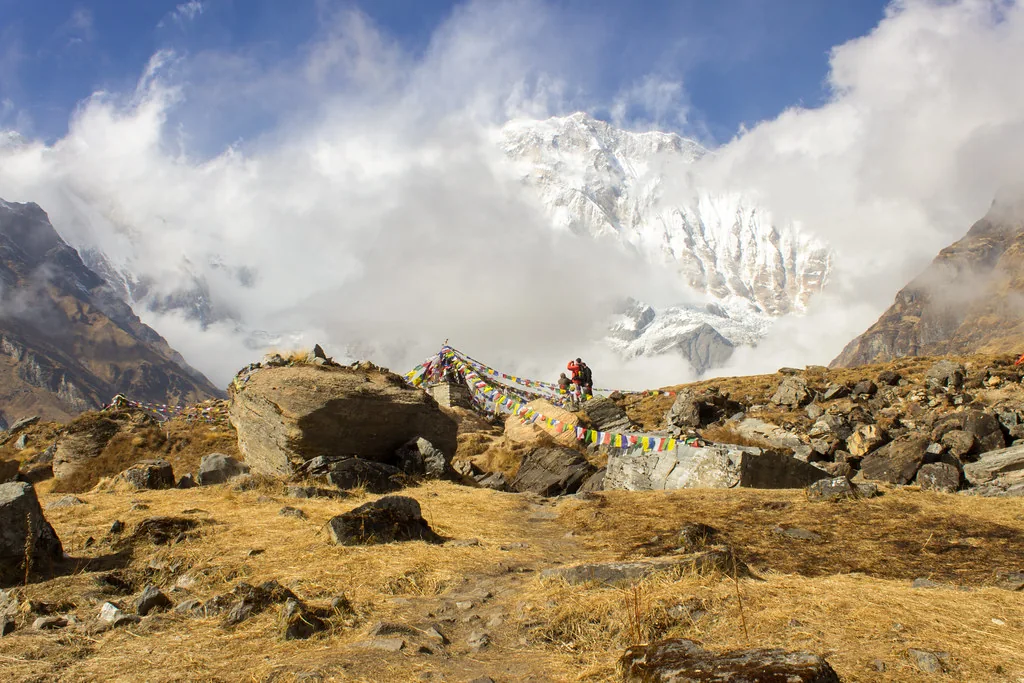
A fourteen-day trek package can include Kathmandu arrival and departure days without including the international airfare. Read the start and finish services: airport assistance, hotel nights, city transfers and the last transfer. If you add a flight before the operator’s first pickup or leave after its last night, budget for the extra arrangements.
Use one clear rooming and baggage plan. Ask where excess luggage remains during the walk and how it is secured. Check airline baggage limits separately from the porter allowance. A porter weight allowance is a trail-service agreement, not permission to take the same amount on every domestic flight.
Visa and onward routing depend on your passport
Check Nepal’s official immigration advice for your nationality and visa eligibility before paying. Standard tourist visa fees are published in USD, but exemptions and restrictions must be assessed separately. Indian citizens use a different entry framework; do not apply their visa exemption to other visitors just because the trip starts in Delhi or another Indian city.
If the holiday also enters India, check the Indian visa and permitted entry point for every crossing. A Buddhist or trekking extension that returns from Nepal overland is not automatically compatible with an Indian eVisa. Settle the legal route first, then the hotels and vehicle. The travel desk can organise around a workable plan but cannot provide an individual immigration approval.
Indian and international trekkers: documents and permits are separate questions
Indian nationals should carry the accepted original travel document for their journey; Nepal visa exemption does not remove trekking permit requirements. Other nationalities must check Nepal visa eligibility and the conditions applying to their passport. A resident of India travelling on a foreign passport should not use the Indian-citizen checklist.
The Nepal Tourism Board lists the relevant Annapurna routes under its licensed-guide and agency-issued TIMS provision. Its published TIMS categories are NPR1,000 for SAARC and NPR2,000 for other applicants. The NTNC permit portal lists Annapurna conservation entry at NPR1,000 for SAARC and NPR3,000 for other foreign nationals. Confirm eligibility, current implementation and what is included with the operating trekking agency before payment.
How to assess a trekking quotation
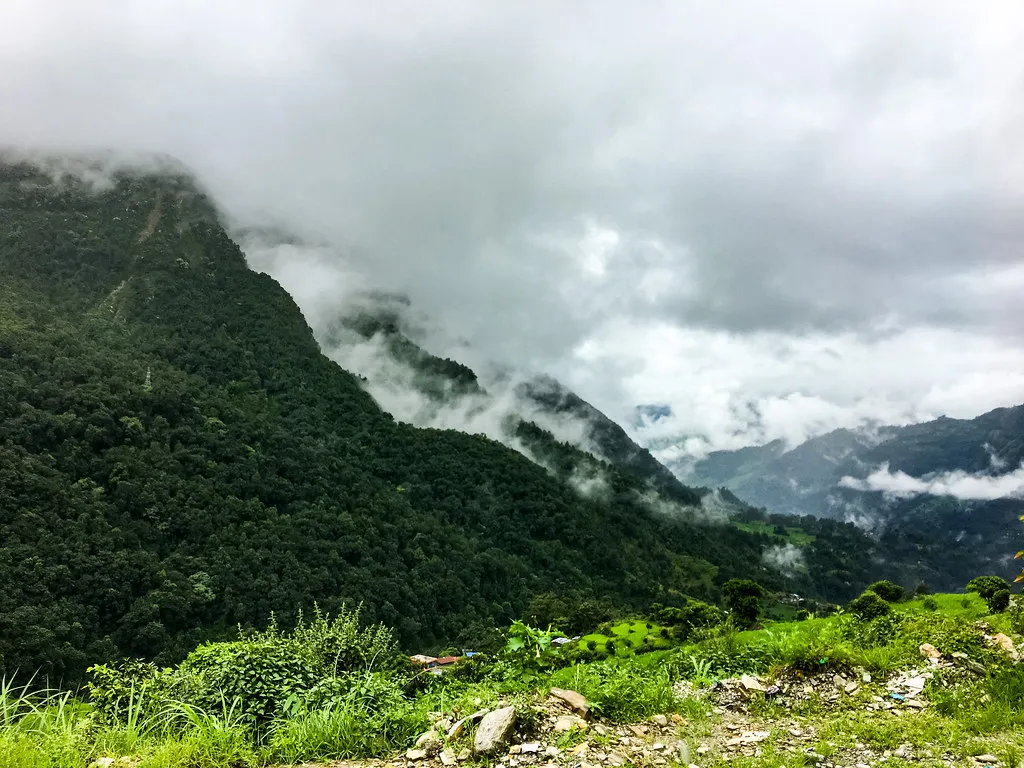
Count the trail days separately from Kathmandu and Pokhara nights. Compare road transfers with domestic flights, city meals with trail meals, guide and porter ratios, baggage allowance, permit handling and room basis. A low price can describe a shorter service window rather than a better value version of the same trek.
USD website budgets are provisional. Your quote should state whether settlement is in USD, INR or another currency and how any conversion is handled. Single supplements, hot showers, charging, drinking water arrangements, tips and extra nights need clear treatment. Do not assume a trail lodge will provide the privacy, heating or bathroom facilities of a city hotel.
Pace, weather and turning around
A trek is not a sightseeing vehicle itinerary with optional walking. Discuss recent walking experience, consecutive-day endurance and the planned ascent with the qualified operating team. Seek appropriate medical advice for personal health or altitude concerns. No itinerary can promise that every traveller will reach the advertised objective.
The guide may need to shorten a day, change an overnight stop or turn the group around. Agree how such decisions affect unused services and additional nights. Do not book the international flight immediately after a weather-sensitive mountain return. Confirm insurance covers the actual activity, altitude and any rescue arrangements you may require; do not assume a general holiday policy does so.
Accommodation and respectful trail conduct
Keep expectations realistic about lodge rooms, bathrooms, menus and electricity. Plan a manageable bag and confirm the porter arrangement instead of arriving with several large suitcases. Request dietary needs in advance, but recognise the limitations of supplies along the trail.
Stay with the agreed route, respect local guidance and avoid unsafe positions for photographs. Carry waste to the appropriate disposal point and ask before photographing local people or entering private spaces. A guide’s role includes route and group management; hiring one is not a promise that weather, trail or health risks disappear.
Questions worth asking the Nepal operating partner
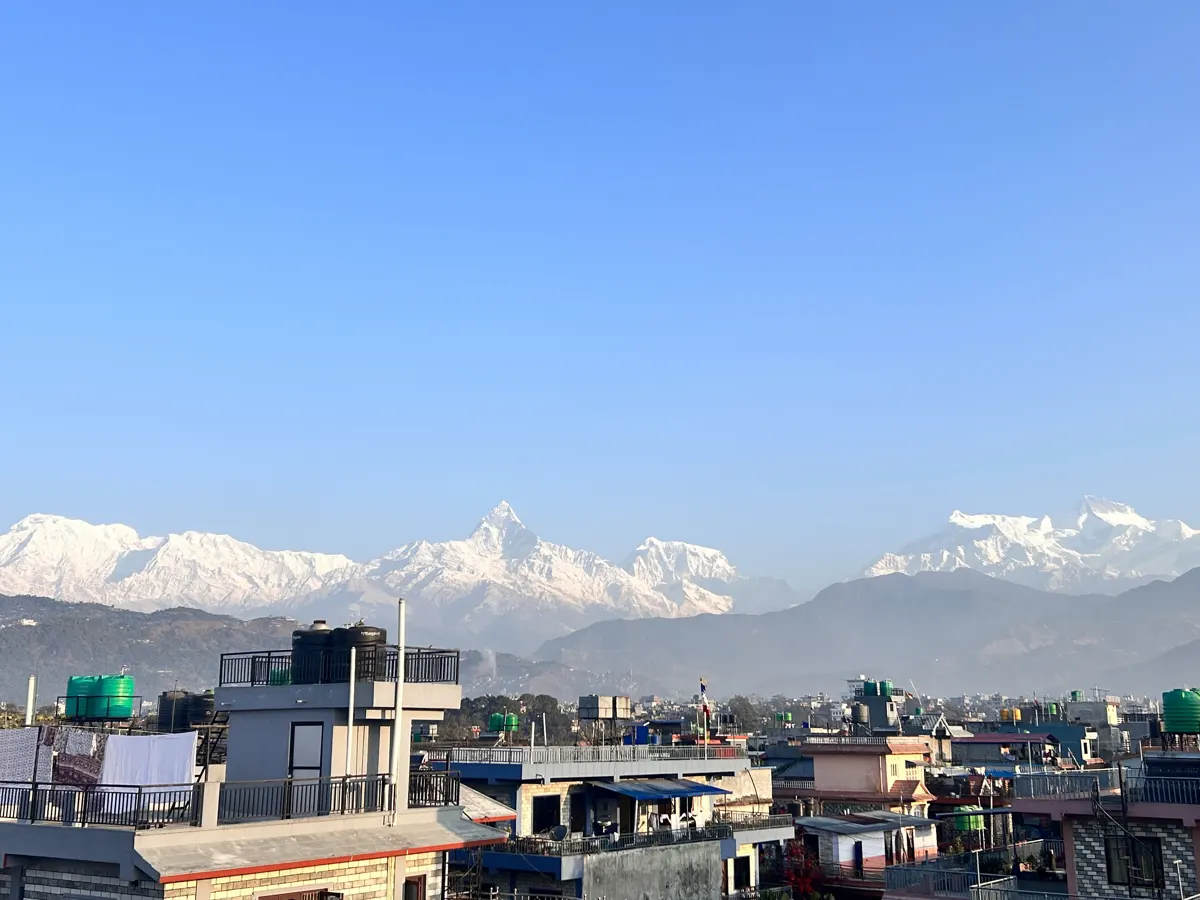
Request the agency identity, guide arrangements, emergency communication process, porter ratio and the scope of trail support. Ask who makes a route-change decision and how the group handles a traveller who needs to stop. Confirm what the quoted amount covers if you descend early, remain an extra night or need an alternative transfer.
Compare route descriptions critically. Commercial pages sometimes retain old visa fees or permit wording. Official government and tourism-board rules take precedence over a competitor’s sales copy. Keep the accepted quote and current official guidance together so the group leader is not relying on an old screenshot.
Best time to visit Nepal: choose for the journey, not just the weather
For a first road holiday, autumn and spring are practical starting points for the discussion. Autumn can offer clearer mountain views after the rains; spring brings warmer days and a different feel in the hills. Neither season guarantees a visible Annapurna range on the morning you visit Pokhara. Build the holiday around places you will enjoy even when the peaks are hidden: lakeside walks, heritage, food, temples and time together. A sunrise outing is a weather-dependent addition, not the only reason for staying in a city.
Winter can suit a lower-altitude Kathmandu, Pokhara and Lumbini circuit if you are comfortable with cool mornings and evenings. Ask about room heating rather than assuming a standard hotel supplies it. Chitwan and the Terai have a different climate from mountain villages. A warm afternoon in one place says little about the next overnight stop. Monsoon travel needs more flexibility around road disruption, wet paths and visibility. For mountain routes, request a route-specific assessment instead of using a city-holiday calendar.
Dashain, Tihar and other festival periods may change staffing, traffic, opening arrangements and room availability. The attraction of seeing a celebration must be balanced against transport and crowd management. Before paying, ask which date-sensitive visits are actually planned and whether the hotels have been checked. If your dates are fixed by school holidays or leave approval, begin with a robust itinerary for that period rather than a promise of ideal weather.
Booking, payments, amendments and cancellation
Send the travel dates, adult count, child ages, room arrangement, arrival details and must-see places in one enquiry. The next step should be a written route, price and service scope. Confirm hotel selection basis, transport, meals, tickets, guiding and what remains optional. Do not send passport numbers through a general website form; use the secure document process agreed for the actual booking.
The published Nepal group requires 50% advance, with the balance due on departure day before leaving. Private tours and treks follow the payment milestones in their individual quotation. Airline tickets, permits and supplier deposits may have different commitments. Pay only to the confirmed business payment instructions and retain the receipt and booking acknowledgement. A WhatsApp enquiry alone does not reserve a seat.
Read the cancellation schedule before paying, including whether the charge is calculated on the full package or the advance. Ask how separately purchased flights, permits, single rooms and last-minute changes are treated. Request cancellation or amendments in writing and keep acknowledgement. Weather or road disruption may require a revised plan; discuss the extra-night and alternative-transport policy before departure rather than when an unexpected cost arises.
Sources & official guidance
Planning references. Recheck document and operating rules for your travel date.