Your nights, stops & travel days
How to read this route before booking
Read the overnight sequence alongside the day-wise plan. A city appearing in the route may be a visit or transfer stop rather than an additional hotel night. The detailed itinerary explains what is scheduled on each day.
Share your arrival and onward departure times before confirming. Ask which visits remain practical around your connections, where the vehicle drops you and whether local shuttles, guides or activities cost extra.
Package prices by group size
7 days / 6 nights; Gorakhpur start; twin sharing; provisional land budget per adult for four paying adults. Flights, visas and unlisted activities excluded.
| Adults | Per adult | Party estimate |
|---|---|---|
| 4 adults | ₹24,900 | ₹99,600 |
What is this estimate based on?
The figures are planning allowances, not a supplier contract or a claim that another operator sells this exact itinerary. Hotel and vehicle choices, travel dates and occupancy can change the final price. Child rates, single rooms, tickets, unlisted meals and extra services are separate unless expressly included.
Planning budget reviewed 14 October 2026. This is a provisional Trishna land-service allowance, not a confirmed supplier fare. Ask for a dated quotation for 2, 4, 6 or more travellers; we do not invent automatic group discounts.
Get the price for your dates
Send dates, travellers and room preference. Get a written itinerary and price.
Summary itinerary
Your detailed itinerary
Open a day for the plan, overnight stop, meals and relevant place notes.
Private itinerary proposal: final services, conditions and the overnight plan are confirmed in writing.
DAY1Gorakhpur to LumbiniLumbini · Overnight stop
Meet at the agreed Gorakhpur pickup, cross through the confirmed border arrangement and continue to Lumbini. Keep sightseeing dependent on arrival. This overnight breaks the approach rather than promising a direct dash into the mountains.
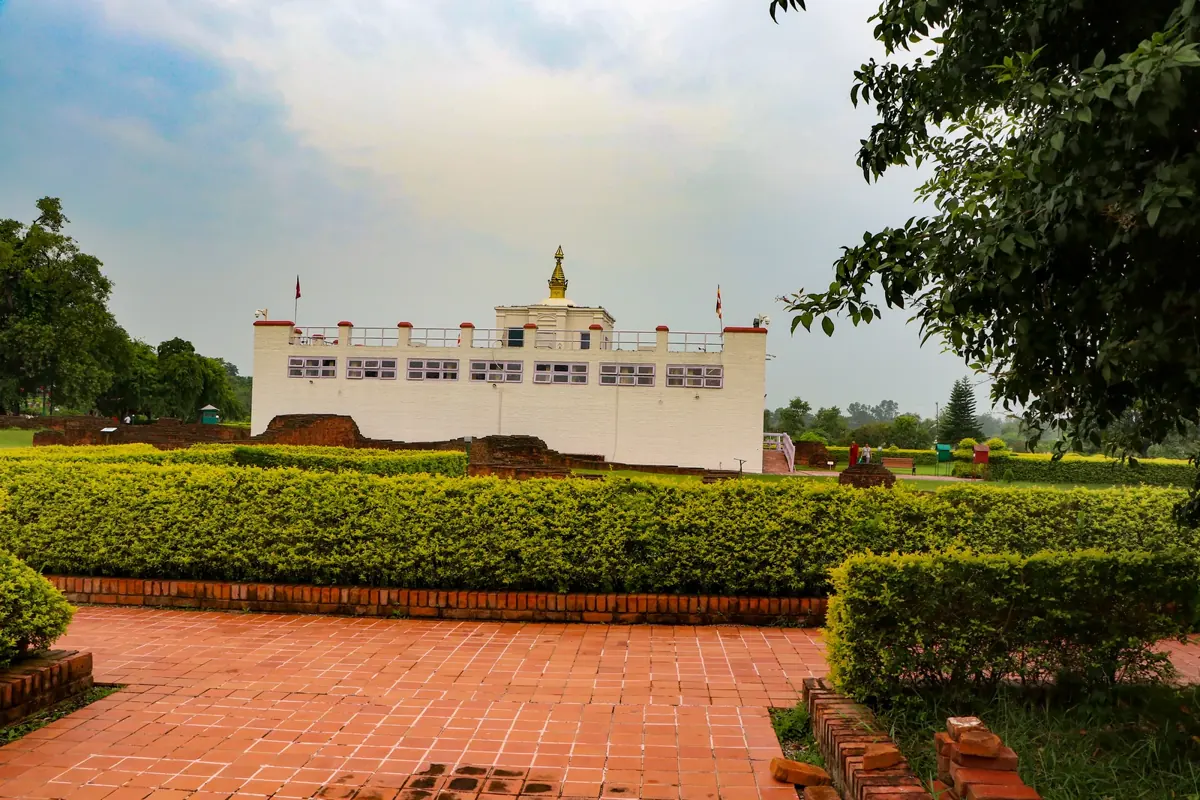
Place previews help you plan. Only visits expressly stated in your confirmed itinerary are included.
DAY2Lumbini to PokharaPokhara · Overnight stop
Reserve the day for the onward road transfer and check-in. Review the Ghandruk access plan, luggage and walking requirements before leaving the city base. Store unnecessary luggage only through an agreed secure arrangement.
DAY3Pokhara to the Ghandruk approachGhandruk · Overnight stop
Travel using the vehicle and road endpoint confirmed for current conditions. Continue the remaining approach as advised by the local team. Do not assume the vehicle reaches the door of every village lodge. Keep the afternoon manageable after check-in.
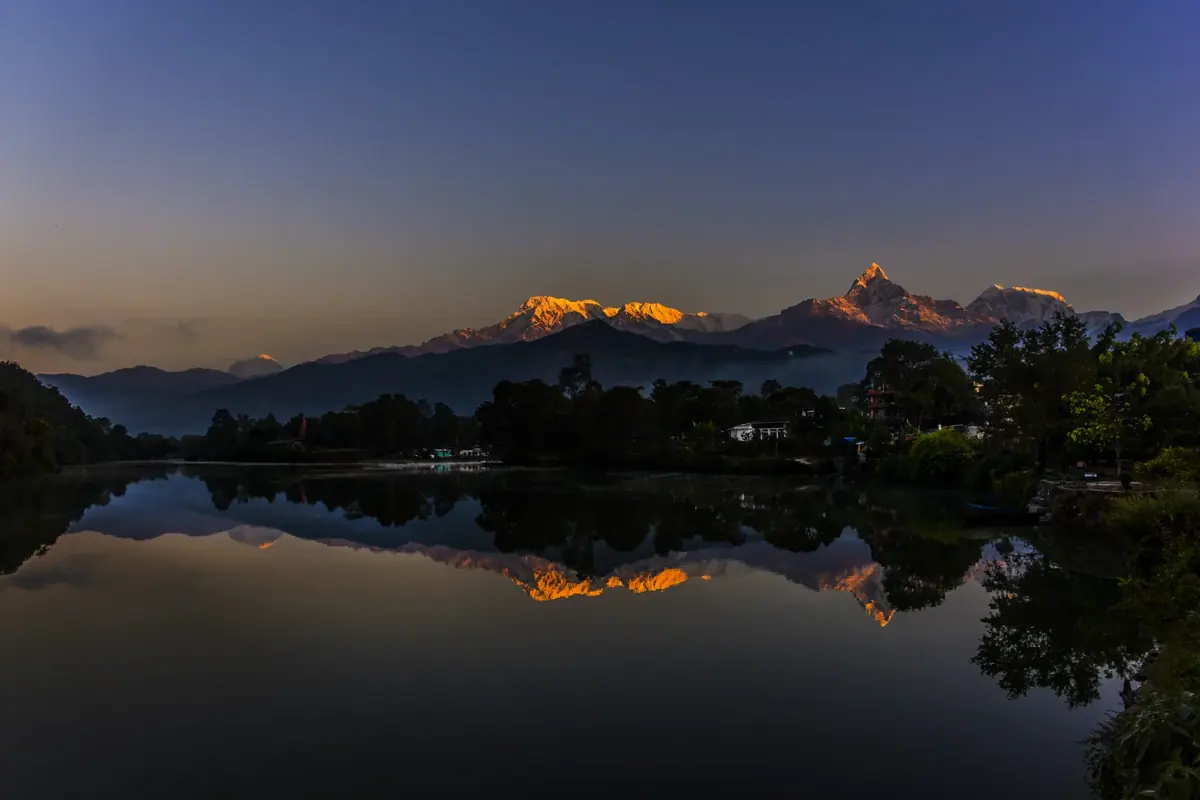
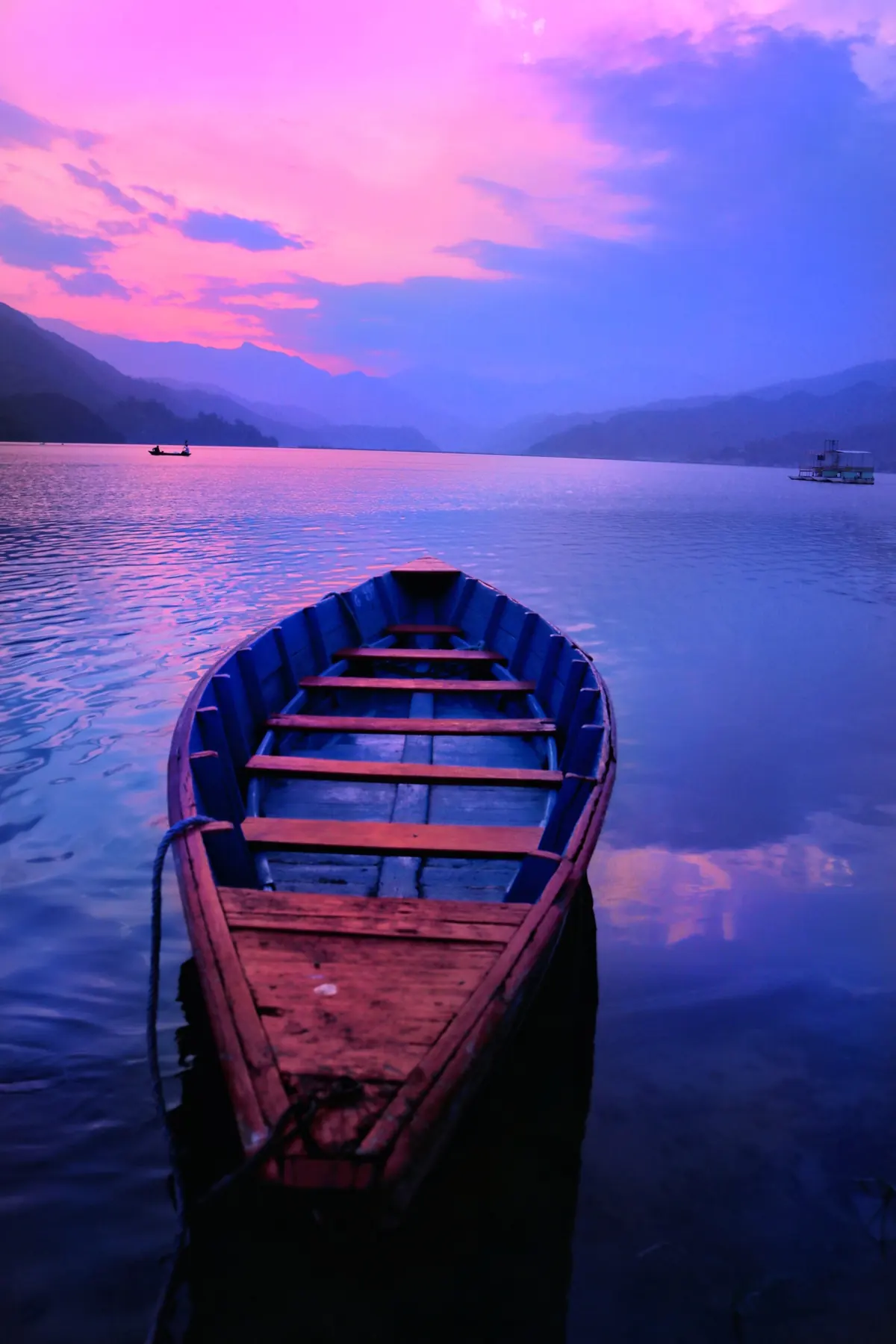
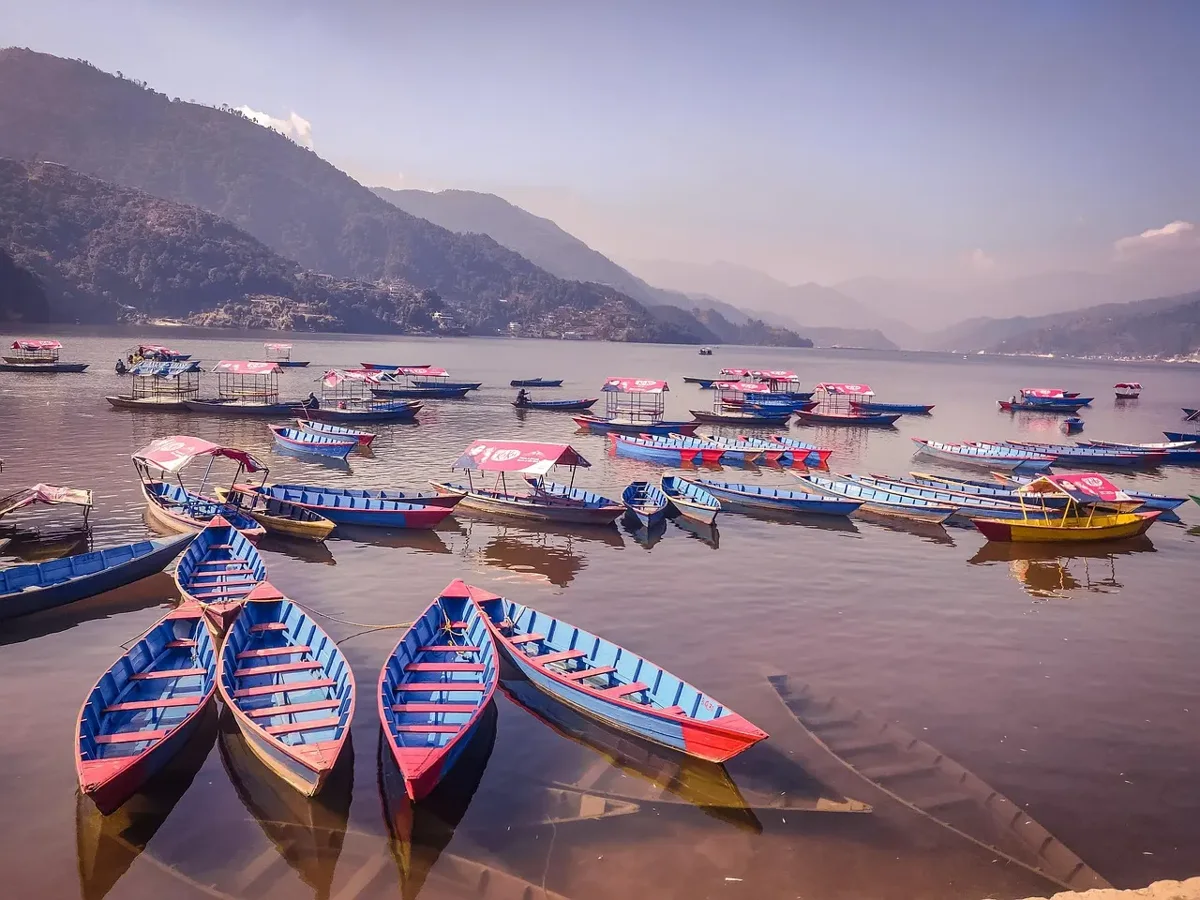
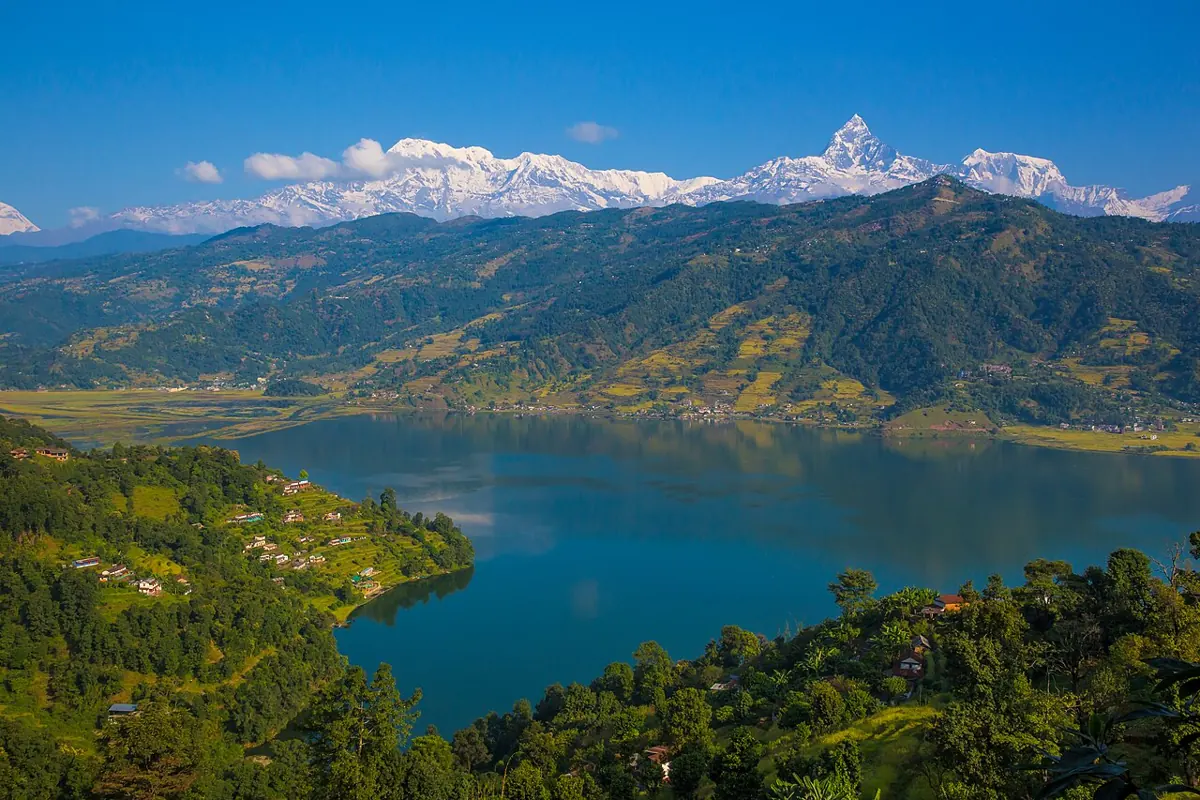 Phewa LakeLakeside time; boating is separately confirmed.
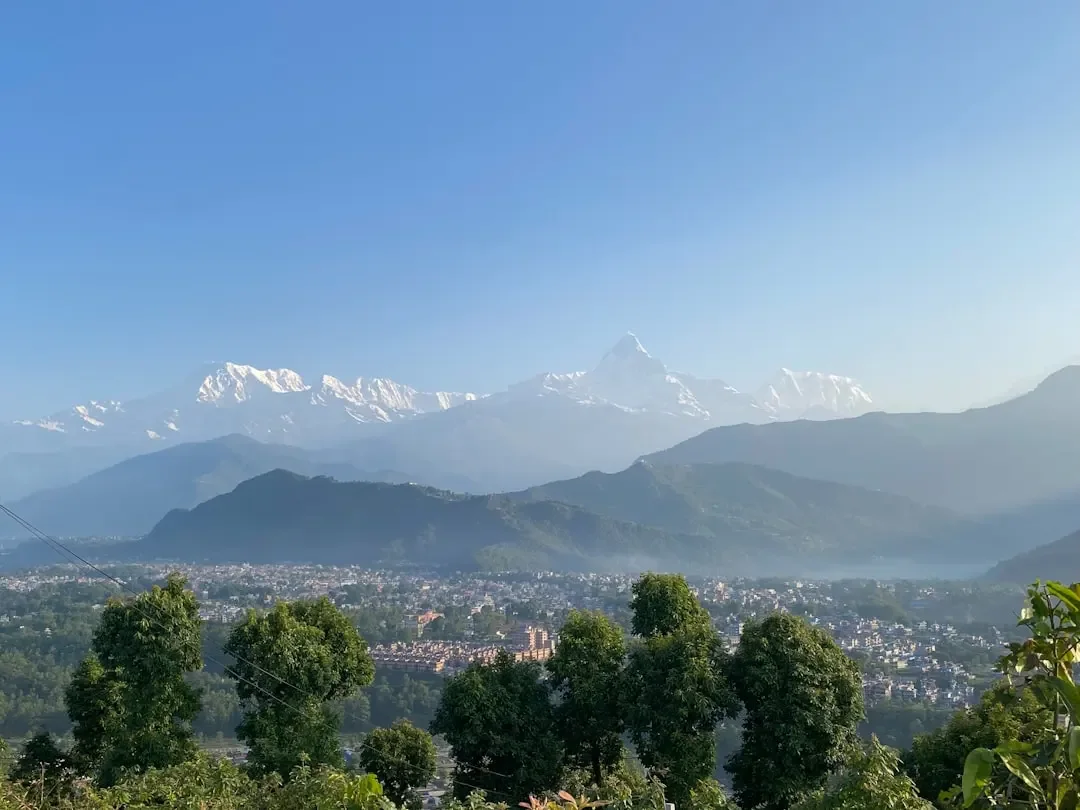
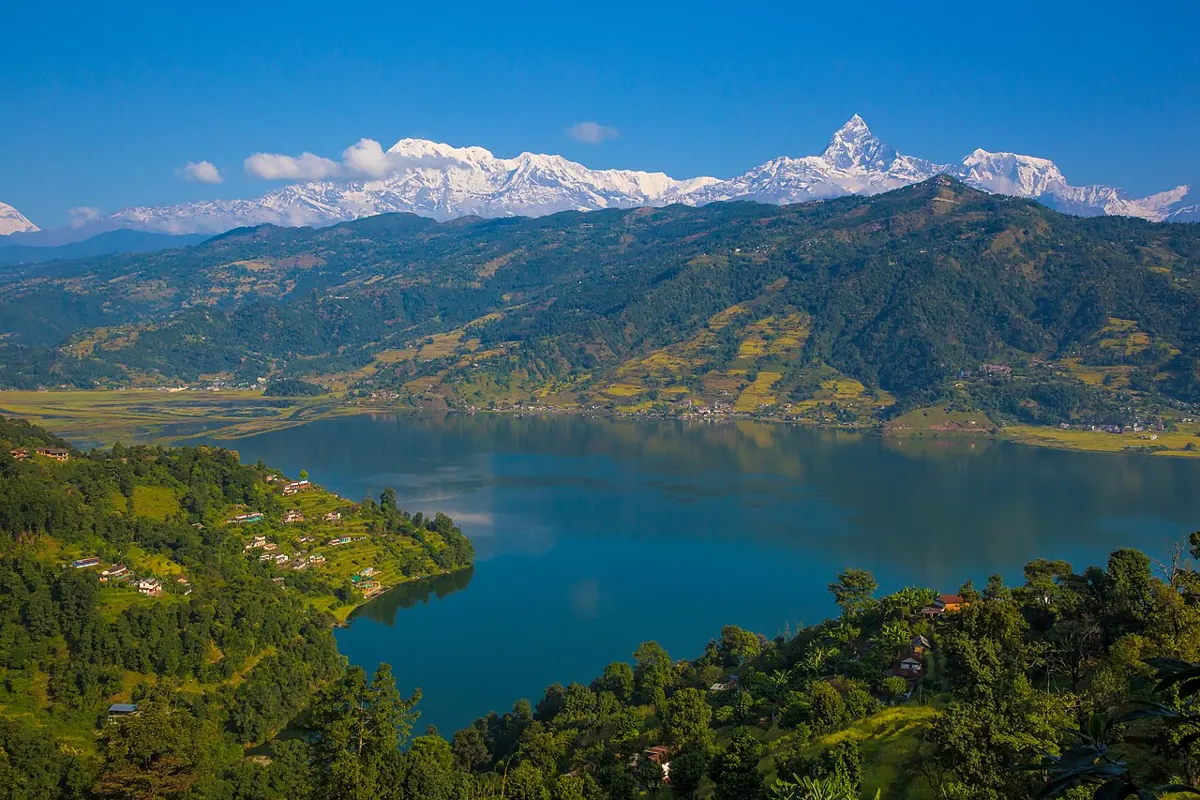 SarangkotOptional sunrise viewpoint; views depend on weather.
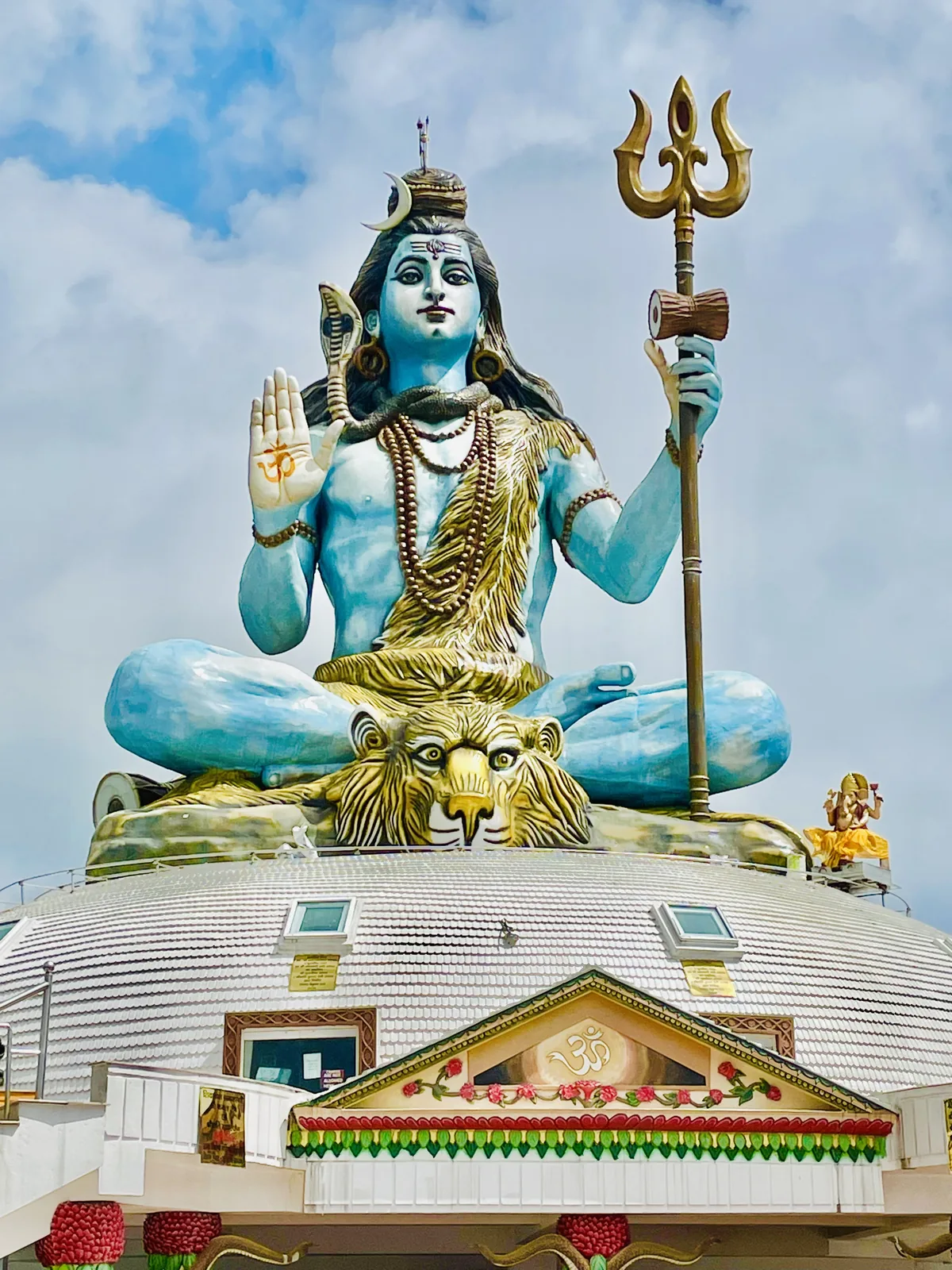 PumdikotOptional hilltop Shiva visit; confirm access and transport.
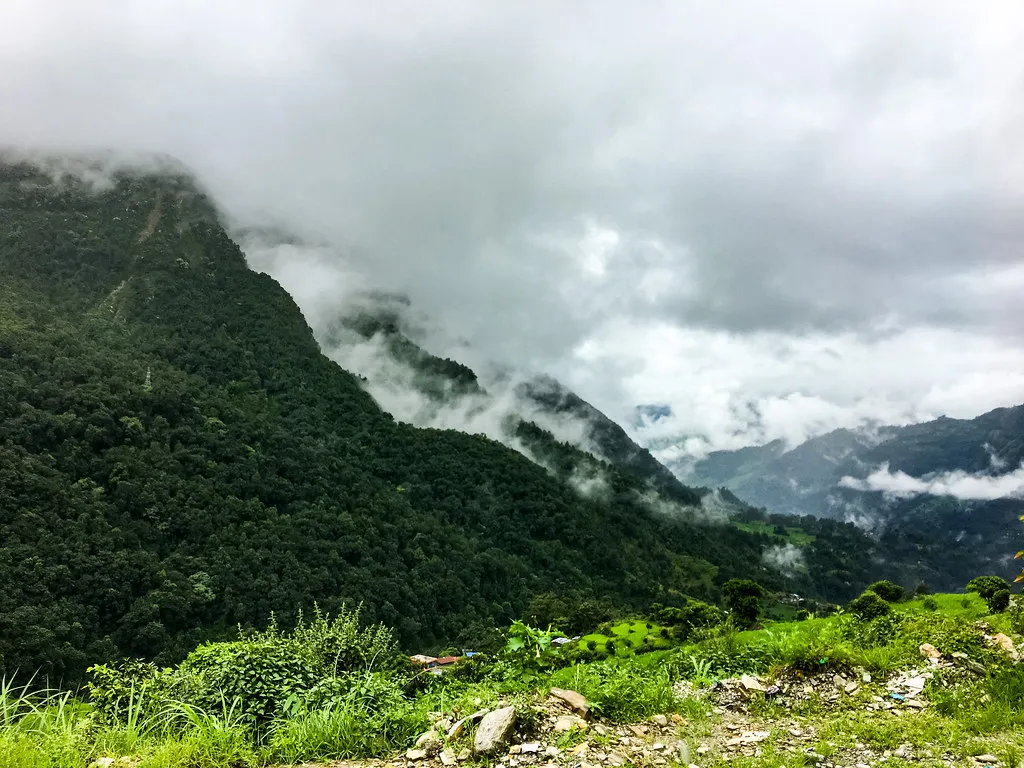 Ghandruk villageGurung village setting; road endpoint and walking vary.
Place previews help you plan. Only visits expressly stated in your confirmed itinerary are included.
DAY4Ghandruk village timeGhandruk · Overnight stop
Walk within your ability through the stone-lane village and discuss a Gurung museum visit or a local cultural explanation. Mountain views depend on weather. This is a village stay, not an Annapurna Base Camp trek or an assurance of unrestricted off-trail access.
Place previews help you plan. Only visits expressly stated in your confirmed itinerary are included.
DAY5Return to PokharaPokhara · Overnight stop
Descend to the agreed pickup and return to Pokhara. Keep the afternoon flexible for road delays, laundry or rest. Optional city visits should not be prepaid against the fastest possible mountain transfer.
DAY6Pokhara sightseeing and bufferPokhara · Overnight stop
Use the extra day for selected Pokhara visits or as recovery time if the village segment changed. Choose lake time, caves or a separately arranged viewpoint. An unused contingency day can still be a useful relaxed holiday day.
Phewa LakeLakeside time; boating is separately confirmed.SarangkotOptional sunrise viewpoint; views depend on weather.PumdikotOptional hilltop Shiva visit; confirm access and transport.Place previews help you plan. Only visits expressly stated in your confirmed itinerary are included.
DAY7Pokhara to GorakhpurTour ends · Departure day
Keep the day for the border return and final agreed drop. Do not attach a tight onward train or flight. An extra Gorakhpur night, if needed, is quoted separately.
Does this itinerary fit your dates?
Send dates, travellers and room preference. Get a written itinerary and price.
Your stay & the journey between places
Choose the rooming and transport around the people travelling. Photographs below are planning references from our supplied collection; your booking names the actual arrangements.
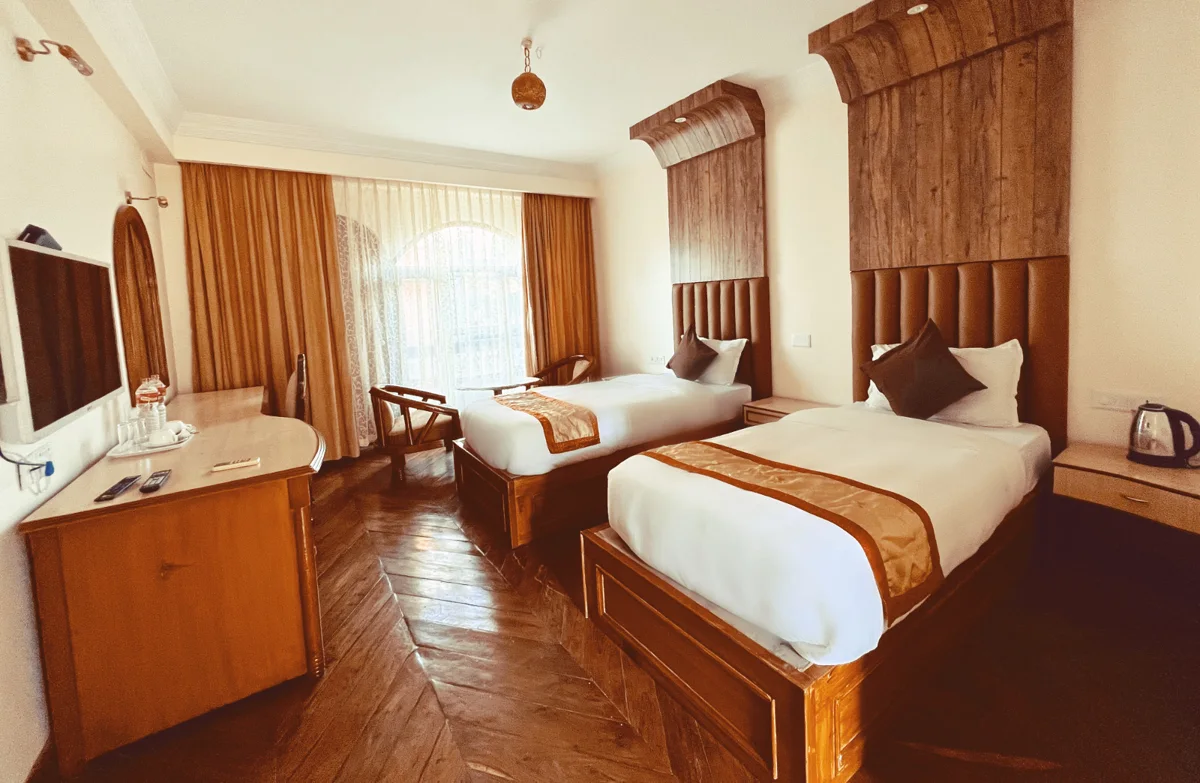
Your room & sharing plan
Confirm the property, room category and whether the beds are twin or double. A third adult may use an extra bed or mattress; ask about space and bedding before choosing triple sharing.
- Room occupancy
- Bed arrangement
- Bathroom facilities
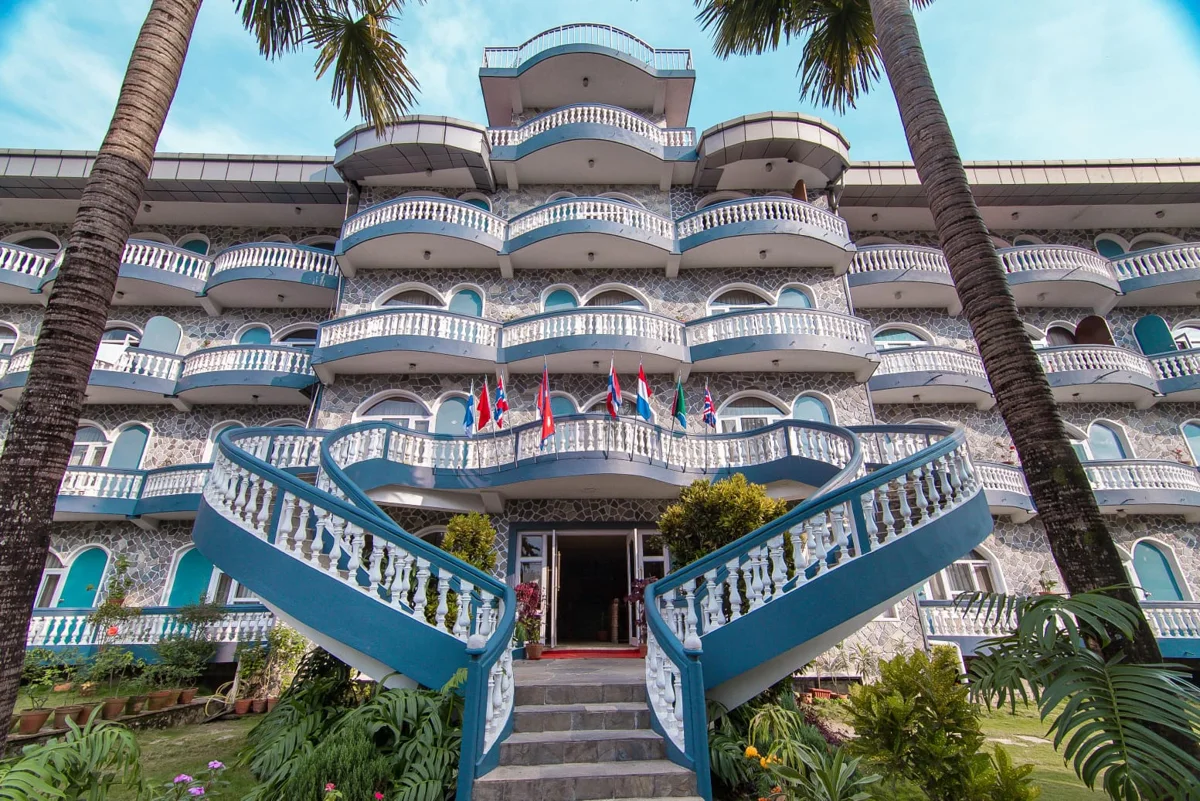
Location & hotel facilities
Check the overnight city, access from parking, stairs or lift and meal timings. Tell us about mobility and dietary needs while planning. Any hotel upgrade must be included in your accepted quote.
- Access & walking
- Meal plan
- Upgrade options

Transport matched to your group
Vehicle choice follows your traveller count, luggage and route. Confirm airport or station pickup, daily sightseeing scope and any local vehicle changes.
- People & luggage
- Route & parking
- Local transfers
What to ask about accommodation before payment
Request hotel names or the agreed selection basis, room category, occupancy, meal count and any extra-bed charge. Check whether early check-in, late checkout, heating or air-conditioning, hot water and Wi-Fi are included where you need them. Facilities vary by property and overnight location.
For a family, list adults and child ages with the rooms you require. For friends, choose twin, double or triple arrangements explicitly. A room photograph alone does not establish the allocated category, view or number of beds.
What to ask about the vehicle and access
Confirm passenger seating, luggage space, the pickup and final drop, operating hours and sightseeing scope. A through vehicle may stop at a parking area rather than a temple entrance, old-city lane or hill viewpoint. Ask whether the last section requires walking, a local shuttle or a different vehicle.
Keep optional outings separate from the base programme. A new stop can add waiting, distance, tickets or an overnight change. Request an updated route and total price rather than relying on a verbal addition to the original itinerary.
Inclusions & exclusions
This is a private proposal. Final inclusions and charges must be confirmed in your written quotation.
Scope to confirm
Hotel nights, room category and occupancy
Pickup, final drop and vehicle category
Meal counts and dietary requests
Sightseeing stops and any guiding service
Border permits and local vehicle changes, where relevant
Extra unless expressly included
Unlisted meals, drinks and room service
Tickets, shuttles and activities not expressly included
Extra nights, upgrades and route changes
Personal purchases, donations and insurance
Separately booked flights, trains and transfers
The accepted booking summary controls the service scope. A place named in the itinerary does not automatically include its ticket or activity charges.
The route, place by place
Gorakhpur → Lumbini → Pokhara → Ghandruk → Pokhara → Gorakhpur
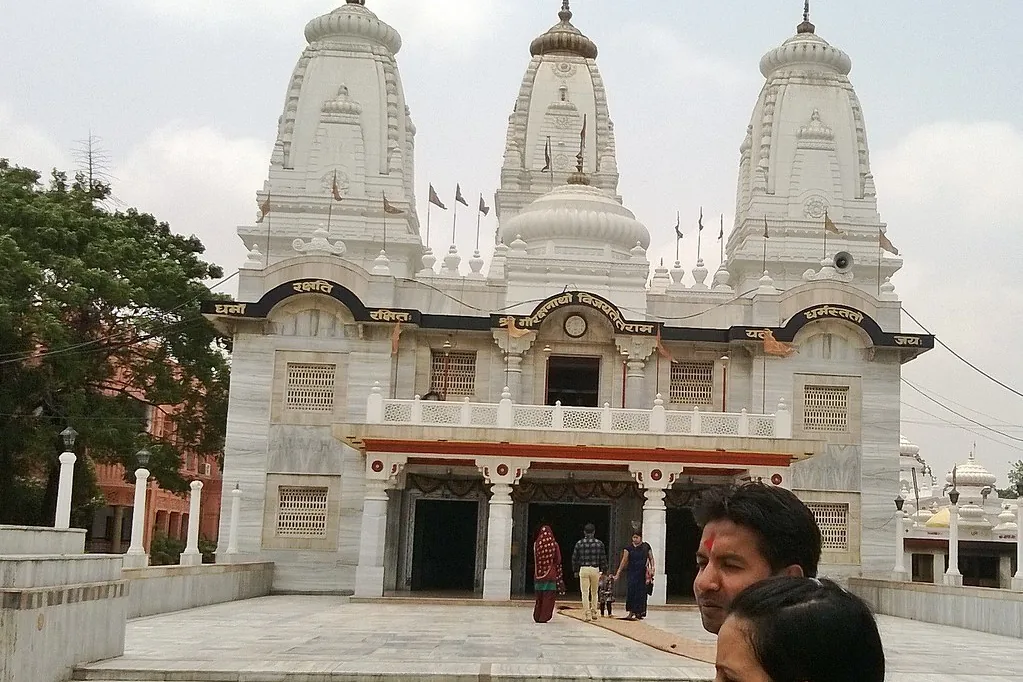
View the route diagram
Your route through India & Nepal
Follow the stops in travel order. Open a place guide below for practical visiting information.
Illustrative location diagram · Not to scale or for navigation. Lines are tour connections, not road alignments or borders.
About your departure place: Gorakhpur
Pickup, arrival and your onward connection
This proposal begins at the agreed Gorakhpur pickup. Send your actual flight, train or local arrival details before fixing the first day. A city name does not include every outlying pickup or an automatic connection from India.
Confirm reporting, luggage, hotel check-in and final drop. Extra nights, onward travel and changes to the joining point need a revised quotation.
About the places you’ll visit
LumbiniPlace guide & practical planning+
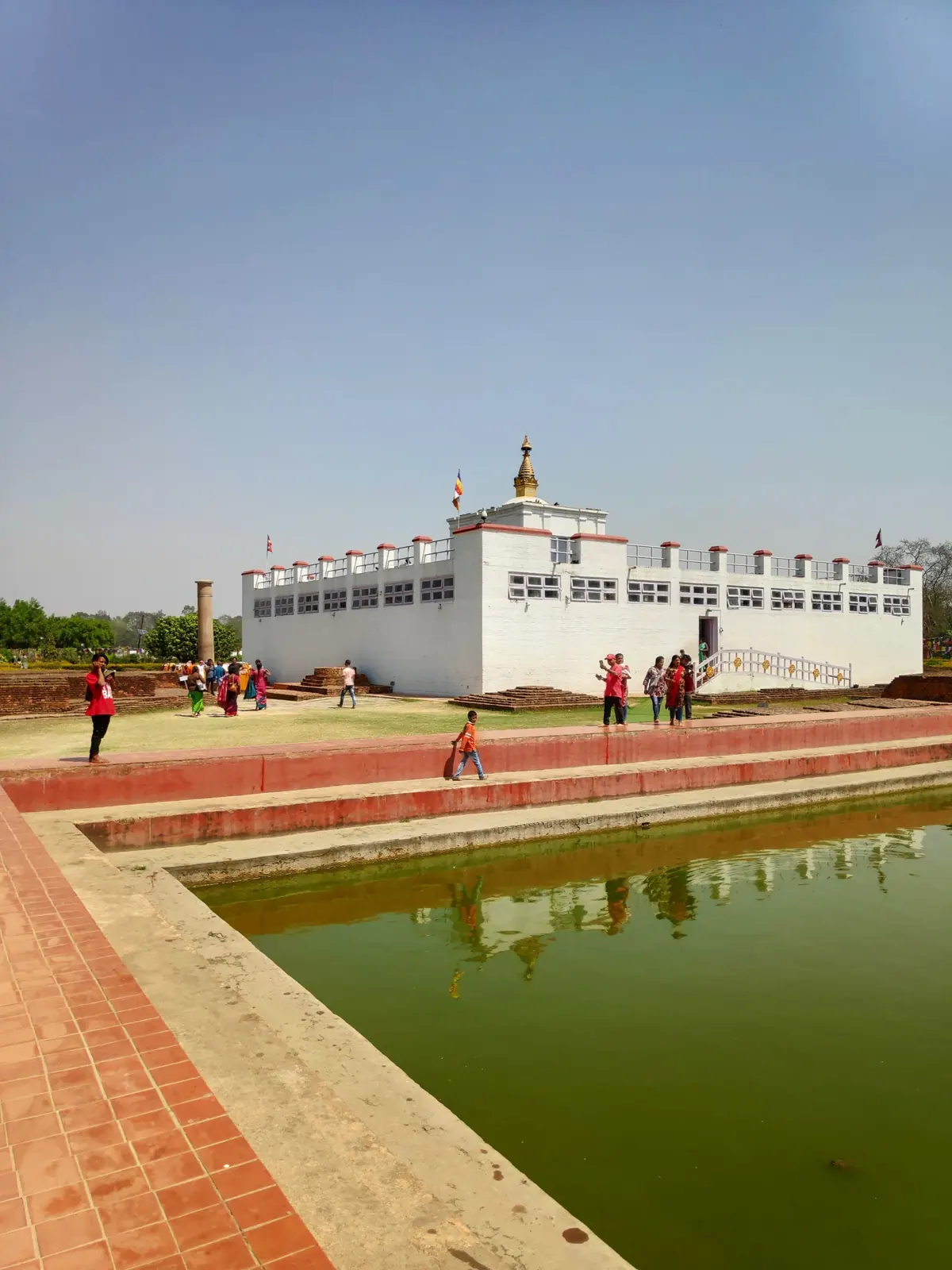
Lumbini is a pilgrimage destination with a clear purpose: the birthplace of the Buddha. The Maya Devi sacred area and Ashoka pillar give the visit its historical focus, while the wider monastic landscape invites a slower pace. It can feature in a Nepal holiday or a dedicated India–Nepal Buddhist circuit, but those two visits need different amounts of time.
Explore Lumbini →PokharaPlace guide & practical planning+
Pokhara suits travellers who want some space in their Nepal itinerary: time beside Phewa Lake, a less hurried evening and a choice between sightseeing and outdoor activities. It is a useful base for a family holiday, a couple's trip or a longer journey towards the Annapurna region. A lake view and a mountain view are different promises; mountain visibility always depends on the weather.
Explore Pokhara →GhandrukPlace guide & practical planning+
Stone lanes, Gurung heritage and an Annapurna setting: plan Ghandruk as a village stay with a clear road endpoint and a realistic walking plan.
Explore Ghandruk →Explore the destinations in photos
Your route briefing
Know the route before you book
Start with the overnight stops, then check the road days, room-sharing basis and optional activities. Ask the travel desk to explain any part that is unclear.
- Which days are mainly transfers?
- What is included in the displayed price?
- Where can the plan be adjusted for your group?
The written itinerary remains your booking reference.
Tour details & practical planning
01Why this route is different
A seven-day Gorakhpur road proposal built around two nights in Ghandruk and time in Pokhara.
A seven-day Gorakhpur road proposal built around two nights in Ghandruk and time in Pokhara. It suits travellers seeking a village stay and mountain scenery without presenting a high-altitude base-camp trek as a sightseeing excursion.
This is a private route proposal, not a scheduled group with reserved hotels. The overnight sequence explains what the duration buys. Use the day-wise plan to identify the main transfer days and the usable visiting time. If the first arrival or last departure is late or early, ask for the itinerary to be revised instead of assuming the same visits still fit.
02Hotels, guiding and transport: settle the detail before payment
The written proposal should identify room occupancy, hotel selection basis, meal counts and the vehicle or trail-support arrangement.
The written proposal should identify room occupancy, hotel selection basis, meal counts and the vehicle or trail-support arrangement. A place named in the route does not automatically include an entrance ticket, activity or dedicated guide. Ask about walking, luggage and any vehicle change before choosing the lowest headline budget.
For a couple, a family with children or a larger party, the final price is recalculated from the actual rooming and service plan. Do not multiply the four-adult planning estimate and assume it confirms a vehicle or lodge. The booking summary must identify mandatory taxes, extras and the payment currency.
03Best time to visit Nepal: choose for the journey, not just the weather
For a first road holiday, autumn and spring are practical starting points for the discussion.
For a first road holiday, autumn and spring are practical starting points for the discussion. Autumn can offer clearer mountain views after the rains; spring brings warmer days and a different feel in the hills. Neither season guarantees a visible Annapurna range on the morning you visit Pokhara. Build the holiday around places you will enjoy even when the peaks are hidden: lakeside walks, heritage, food, temples and time together. A sunrise outing is a weather-dependent addition, not the only reason for staying in a city.
Winter can suit a lower-altitude Kathmandu, Pokhara and Lumbini circuit if you are comfortable with cool mornings and evenings. Ask about room heating rather than assuming a standard hotel supplies it. Chitwan and the Terai have a different climate from mountain villages. A warm afternoon in one place says little about the next overnight stop. Monsoon travel needs more flexibility around road disruption, wet paths and visibility. For mountain routes, request a route-specific assessment instead of using a city-holiday calendar.
Dashain, Tihar and other festival periods may change staffing, traffic, opening arrangements and room availability. The attraction of seeing a celebration must be balanced against transport and crowd management. Before paying, ask which date-sensitive visits are actually planned and whether the hotels have been checked. If your dates are fixed by school holidays or leave approval, begin with a robust itinerary for that period rather than a promise of ideal weather.
04Where to go: Kathmandu, Pokhara, Chitwan and Lumbini do different jobs
Kathmandu is the strongest starting point for a flight-led heritage and temple holiday.
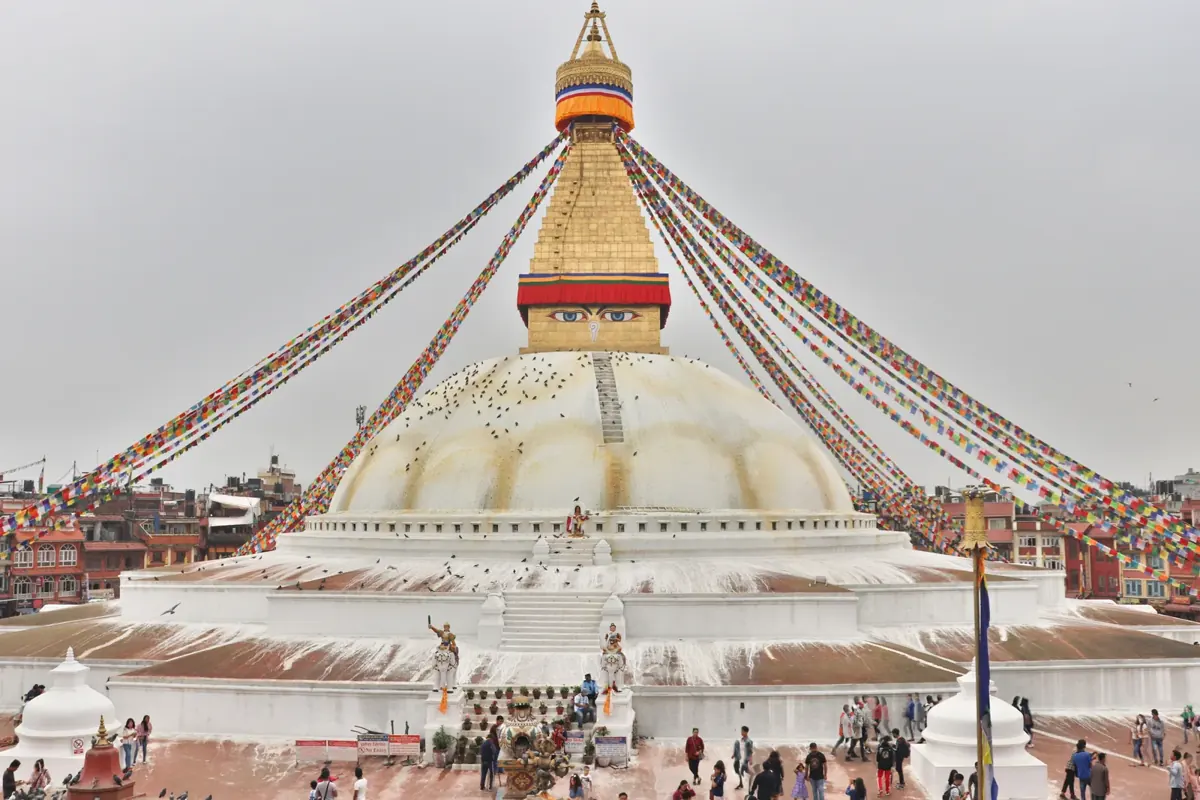
Kathmandu is the strongest starting point for a flight-led heritage and temple holiday. Pashupatinath, Boudhanath, Swayambhunath and the historic squares belong to different parts of the valley, so divide them sensibly. Driving between sites, finding parking, walking and waiting for access all use time. A four-day Kathmandu stay can be more satisfying than a four-day attempt to reach both Kathmandu and Pokhara. Confirm religious entry restrictions separately from access to surrounding public areas.
Pokhara gives a holiday breathing space. Phewa Lake and Lakeside can work around scheduled visits to Devi’s Fall, Gupteshwor Cave or a viewpoint. Sarangkot is primarily a mountain-view outing; Pumdikot is a separate hilltop religious visit. They are not interchangeable names for the same stop. Chitwan is for travellers who want to allocate time to a chosen nature activity. One hotel night on a road circuit does not automatically provide a safari. Ask which activity, park sector, guide, permits and transfer are included.
Lumbini is a Buddhist pilgrimage destination rather than a quick scenic photo stop. Decide whether the Sacred Garden is the main purpose or whether the wider monastery area deserves an overnight stay. Janakpur is in a different part of Nepal and suits a separate Mithila-focused route. Muktinath and Ghandruk involve mountain access and different practical demands. Adding all three to a standard Kathmandu–Pokhara circuit changes the duration, vehicle requirements and budget substantially.
05How many days are enough? Four, six, eight or ten days
Count the nights available inside Nepal before counting attractions.
Count the nights available inside Nepal before counting attractions. Four days with Kathmandu arrival and departure can support a focused valley stay. Four days beginning in Gorakhpur include long road movements, so the sightseeing window is much smaller. Five days can work for a Lumbini–Pokhara route that deliberately leaves Kathmandu out. Six days is the published Gorakhpur group format, with substantial transfer days alongside the two principal city sightseeing days.
Eight days gives more room to choose what the extra nights are for: a Chitwan activity, a dedicated Lumbini visit or a slower Pokhara stay. Ten days can separate major transfers and provide time for a carefully selected extension. Extra days should reduce pressure or deepen the experience; they need not add another city every night. If grandparents or young children are travelling, an extra hotel night can improve the trip more than upgrading the vehicle while keeping a rushed route.
Ask to see both the day-wise plan and the overnight table. A transfer day described with several sightseeing names can look full on paper but leave little usable visiting time. Mark your arrival and final departure on the same calendar. If either depends on another operator’s flight or train, leave a buffer and establish who is responsible when the connection changes.
06What to do—and what to leave optional
Begin with a small number of priorities.
Begin with a small number of priorities. A pilgrimage family may value time at Pashupatinath more than another viewpoint; a couple may prefer an unhurried afternoon around Phewa Lake. Tell the desk what would disappoint you most to miss. The itinerary can then protect that visit and place less important options around it. Do not prepay several weather-dependent activities on the same day without checking their cancellation conditions.
Boating, cable cars, adventure sports, local shuttles and park activities need an explicit service description. The operator, timing, equipment, permissions and price matter more than an attractive photograph. A guided nature walk is not the same product as a jeep safari. Ask whether tickets are included or merely assistance is offered. For strenuous or high-altitude activities, discuss suitability and insurance with qualified professionals; a sightseeing package is not medical clearance.
Avoid turning every free hour into a paid excursion. Check-in, meals, laundry, currency arrangements and rest are part of a workable holiday. Keep one flexible slot for weather or a delayed road journey. On the last day, the priority is reaching the agreed finish safely and with useful connection time, not squeezing in a final distant attraction.
07Quieter alternatives: Begnas Lake, Patan, village time and focused extensions
Less crowded does not mean undiscovered.
Less crowded does not mean undiscovered. Begnas Lake can be considered instead of another busy Lakeside outing when you want a quieter lake setting near Pokhara. Patan deserves its own heritage time rather than being treated as an interchangeable Kathmandu stop. Ask whether the extra travel and entrance arrangements fit the day. A lesser-known place is worthwhile when it matches your interests, not simply because it is absent from a popular checklist.
Ghandruk is a mountain village experience with Gurung cultural context, stone paths and surrounding views. It should be planned with the current road endpoint, walking distance and accommodation limitations in mind. A village visit is different from trekking to Annapurna Base Camp. For a short holiday, choose either a focused village extension or a long city circuit; doing both under the same tight deadline usually shifts too much of the holiday into transport.
In the Kathmandu Valley, a craft, food or guided heritage visit can add depth without requiring another overnight city. In Lumbini, more time in the monastery zone can be more meaningful than adding an unrelated stop. Describe the experience you want—architecture, faith, food, nature or village life—and ask the desk to explain why the proposed extension belongs in your particular route.
08Food, culture and everyday etiquette
Ask permission before photographing people, ceremonies or private spaces.
Ask permission before photographing people, ceremonies or private spaces. Religious sites may restrict footwear, clothing, photography and access; follow the instructions at the site even if an old travel video shows something different. Pashupatinath’s main temple access is restricted, so a foreign visitor’s programme must be explained honestly. Respectful access to surrounding areas is not a promise of entry into every shrine.
Food arrangements need the same precision as transport. Vegetarian, Jain, vegan and allergy-related requests are different requirements. State them before hotel selection and ask what can realistically be confirmed. A breakfast inclusion does not guarantee a particular regional cuisine, and a remote lodge menu is not the same as a city restaurant menu. Keep time for meals on transfer days rather than assuming food stops happen without affecting the schedule.
Use local businesses thoughtfully, avoid disturbing wildlife and do not request unsafe approaches for a photograph. In villages and sacred places, keep noise considerate and follow local waste arrangements. A good guide can help explain etiquette and context, but their language, days of service and fees must appear in the quotation if a dedicated guide is important to you.
09Package cost: separate the holiday from the cost of reaching it
The useful total is the amount your party expects to spend from home and back.
The useful total is the amount your party expects to spend from home and back. Add the Nepal land package, your journey to its start, any buffer nights, excluded meals, attraction tickets and chosen activities. Keep a contingency for changes. A low per-person figure based on six adults sharing a vehicle cannot be compared directly with a private couple’s price. Check whether the displayed currency is INR, NPR or USD before comparing numbers.
Hotel category alone does not describe a room. Check occupancy, bedding, bathroom, heating or cooling, location and meal basis. Triple sharing may involve an extra bed or mattress. Single rooms can change a group budget materially. The vehicle quote should state passenger and luggage suitability, route coverage, waiting and any local vehicle change. Ask for taxes and mandatory fees in the total rather than treating the headline as the final amount.
The announced group has a published room-sharing fare. Other displayed private budgets are planning estimates and require a dated quotation. Airline fares and train availability are separate live purchases unless expressly included. When comparing another operator, place the two inclusion lists side by side before deciding that the lower number buys the same holiday.
10Booking, payments, amendments and cancellation
Send the travel dates, adult count, child ages, room arrangement, arrival details and must-see places in one enquiry.
Send the travel dates, adult count, child ages, room arrangement, arrival details and must-see places in one enquiry. The next step should be a written route, price and service scope. Confirm hotel selection basis, transport, meals, tickets, guiding and what remains optional. Do not send passport numbers through a general website form; use the secure document process agreed for the actual booking.
The published Nepal group requires 50% advance, with the balance due on departure day before leaving. Private tours and treks follow the payment milestones in their individual quotation. Airline tickets, permits and supplier deposits may have different commitments. Pay only to the confirmed business payment instructions and retain the receipt and booking acknowledgement. A WhatsApp enquiry alone does not reserve a seat.
Read the cancellation schedule before paying, including whether the charge is calculated on the full package or the advance. Ask how separately purchased flights, permits, single rooms and last-minute changes are treated. Request cancellation or amendments in writing and keep acknowledgement. Weather or road disruption may require a revised plan; discuss the extra-night and alternative-transport policy before departure rather than when an unexpected cost arises.
Booking terms & payment
From enquiry to a confirmed booking
- Send your dates, travellers, room preference and pickup requirements.
- Review the written itinerary, service scope, rooming arrangement and itemised price.
- Accept the applicable payment and cancellation terms before paying.
- Retain the payment acknowledgement and written booking confirmation.
The deposit, payment milestones, balance deadline and supplier conditions are supplied with your private quotation. The fixed group’s 50% payment schedule does not automatically apply to this trip.
An enquiry or prepared WhatsApp message does not reserve a seat, room or vehicle.
Cancellation & refund policy
Private booking cancellation conditions
Your quote must state the cancellation slabs, notice period, charge basis and any non-refundable supplier commitments before you pay. No standard private-tour percentage or processing deadline has been verified for this route, so the fixed Nepal group schedule is not applied here.
Request changes or cancellation in writing and retain acknowledgement. Ask for an itemised explanation of recoverable amounts, amendment charges and refund timing. Flights, trains and separately booked services follow their own supplier conditions.
Terms & conditions
Service scope, route changes and traveller responsibilities
Only services expressly listed in your accepted booking form part of the package. A destination photograph does not confirm a hotel, room view or included experience. Confirm tickets, local shuttles, meal counts and special requests in writing.
Road conditions, weather, queues, site rules and operating restrictions can change the visiting order or overnight plan. Material changes and proposed extra costs should be explained. Carry required original documents, report at the agreed time and tell the desk about practical assistance needs before booking.
Unused services, amendments and complaints are handled under the accepted booking and supplier conditions. Statutory consumer rights remain unaffected. Full booking terms → · Privacy policy
Your booking questions, answered
Is the displayed price a confirmed offer?
It is a provisional planning budget for the stated party and room basis. Obtain a dated written quotation before paying; no hotel, permit or transport availability is promised by this page.
Can the route start on our chosen date?
Request your dates and actual arrival details. The travel desk checks the proposed operation and overnight arrangements before confirming.
Are flights and visas included?
No. They are separate unless expressly itemised. Indian and foreign travellers have different entry requirements.
Can we change the number of nights?
Yes, ask for a revised itinerary. Removing a night changes usable visiting time and may make a road or mountain section unsuitable.
What happens if weather or road conditions change?
The accepted quote should state the alternative-route, extra-night and cancellation arrangements. Do not assume an optional excursion or mountain objective is guaranteed.
How do we book?
Send dates, travellers, rooming and arrival details. Review the written scope, total amount, payment milestones and cancellation conditions before payment.